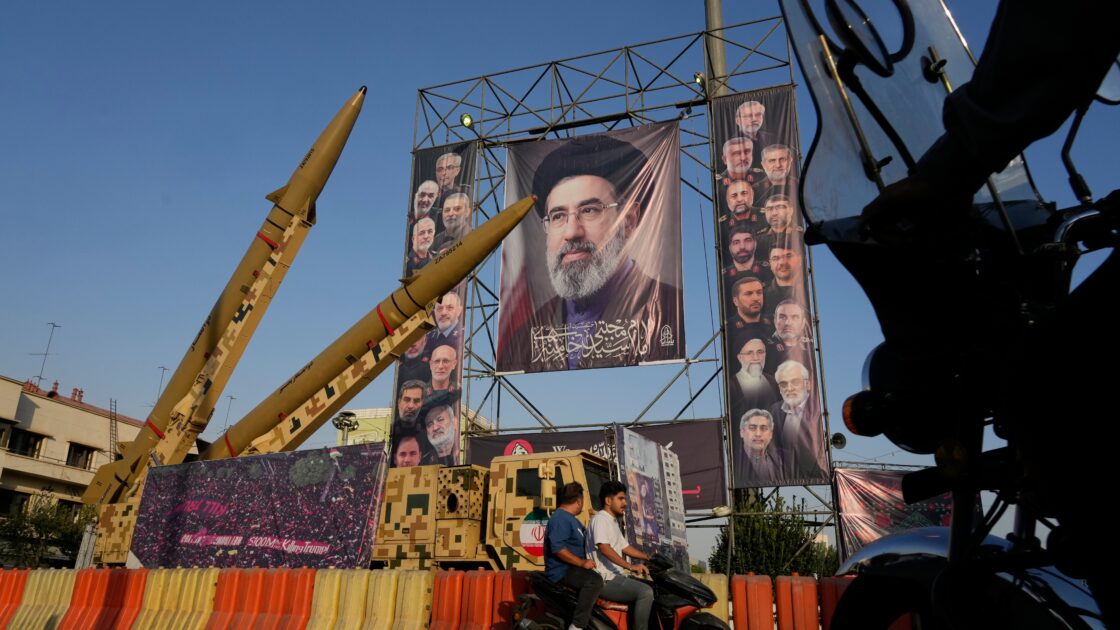
Iran is currently constructing underground military complexes designed to withstand heavy bombardment while sustaining weapons production and storage, according to the Islamic Revolutionary Guards Corps (IRGC). The announcement was delivered on Saturday by IRGC spokesperson Hossein Mohebbi during a press conference held in Tehran.
Underground Facilities and Stealth Technology
Mohebbi revealed that an underground missile city is scheduled to be unveiled soon, as reported by the semi-official Tasnim news agency. He explained that the IRGC has swiftly moved its missile and drone manufacturing lines from surface locations into underground facilities. This transition ensures that Iran can maintain continuous weapons production even when adversaries believe stockpiles are running low.
In addition, the spokesperson detailed advancements in stealth technology, asserting that these upgrades enabled Iranian missiles and drones to successfully bypass air defence systems and strike targets during past conflicts with the United States and Israel. Quoted by the state news agency IRNA, Mohebbi stated, “Today, every weapon used by the IRGC Aerospace Force is manufactured using homegrown knowledge and expertise. Moreover, our products are not even derived from reverse-engineering captured enemy war material.”
A recent report by The Wall Street Journal indicated that Iran inflicted billions of dollars in damage on American bases across the Middle East during prior fighting. Furthermore, a Reuters report revealed that Iran targeted Gulf infrastructure at least 135 times over the same period, resulting in billions of dollars in losses and lost revenues.
Regional Conflict and International Response
During his remarks, Mohebbi warned that restrictions on the range of Iranian missiles have been removed. This follows a declaration by Supreme Leader Mojtaba Khamenei stating that there will be no geographical limits to Iran’s retaliation in the event of another attack by the US and Israel.
The conflict involving the US, Israel, and Iran began on February 28, leading Tehran to close the Strait of Hormuz and sparking a global energy crisis. Regional nations have recently intensified mediation efforts to halt the hostilities. President Donald Trump reported on Friday that the US military carried out limited strikes on Iran’s Qeshm Island, while adding that Washington has achieved significant progress in negotiations with Tehran. Iran has previously cautioned that a resumption of fighting will prompt attacks on Gulf energy infrastructure, potentially driving energy prices higher.
Alongside military operations, Washington has implemented fresh economic sanctions against Iran to pressure the country into meeting US demands. These restrictions have severely strained the Iranian economy and compelled the nation to seek alternative trade routes. In response to these developments, the US Central Command announced the creation of a new task force on Saturday to support efforts preventing Iran from utilizing land routes to move advanced weapons and supplies. The US has also maintained a naval blockade against Iran to halt its oil exports.