Table of Contents
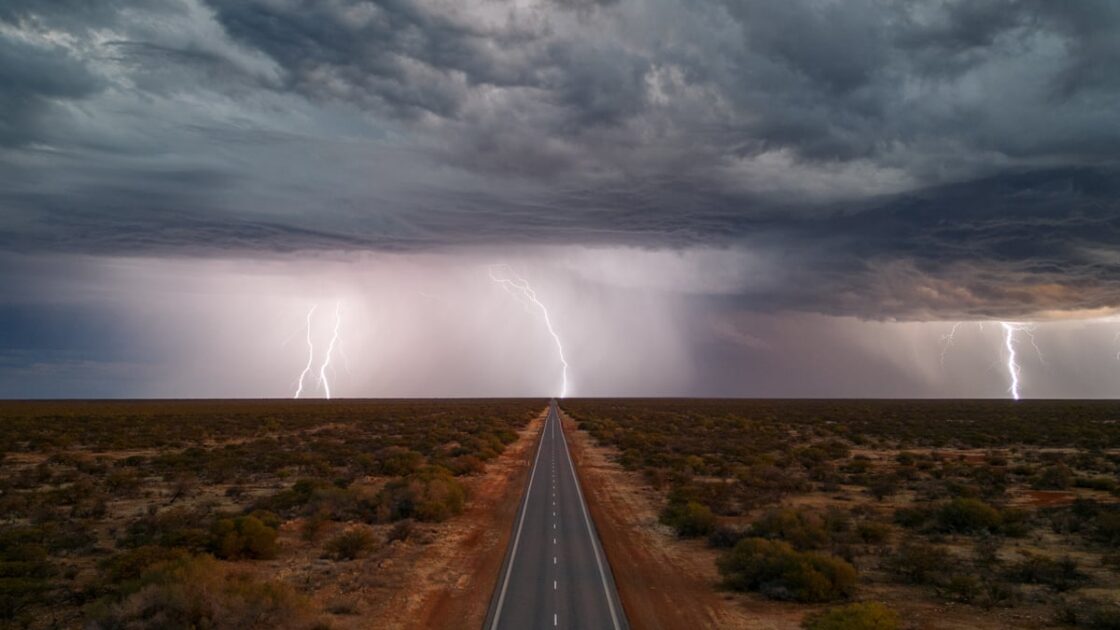
Lightning has long been viewed as a powerful, dualistic force in human culture, capable of both destruction and life-giving rain. As global temperatures rise, scientists are observing significant shifts in how lightning behaves, with potentially severe consequences for ecosystems and human safety.
The Mechanics and Role of Lightning
Globally, there are approximately 60 lightning flashes every second, with some spanning over 800 kilometers. Each strike releases up to seven gigajoules of energy, heating the surrounding air to 30,000C—five times hotter than the Sun’s surface. This constant electrical discharge is essential for regulating Earth’s ionosphere, driving the nitrogen cycle, and assisting in the breakdown of greenhouse gases like methane.
Scientifically, lightning occurs when warm, moisture-laden air rises into cold storm clouds, causing water vapor to form ice crystals. These crystals collide with graupel, creating an electrical charge separation that eventually neutralizes in a massive discharge. While the exact trigger for this spark remains debated, some researchers point to cosmic rays or ionized air “streamers.”
Climate Change and Shifting Patterns
The warming atmosphere holds more water vapor, which provides additional energy for deep convection in storm clouds. While projections vary, a recent review suggests a mean increase of 7.5% in lightning frequency per degree of global warming. Andrew Dowdy, an associate professor in climate science at the University of Melbourne, notes that while warmer conditions generally favor thunderstorms, there are still significant uncertainties in modeling these fine-scale processes.
Data indicates that lightning frequency is shifting. While tropical regions like northern Australia have seen a decline in thunderstorm activity, eastern coastal regions are experiencing an increase. Furthermore, the rise in “dry lightning”—strikes that occur without rain—is becoming a major concern. In Australia, dry lightning strikes in the southeast increased by 50% between 2000 and 2016 compared to the previous two decades, creating more dangerous fire conditions.
The Rise of Fire-Generated Storms
Intense wildfires are now creating their own weather systems known as pyrocumulonimbus (pyroCb) clouds. These massive formations reach into the stratosphere, where moisture from the fire freezes and generates its own lightning. Jason Evans, a professor at the University of New South Wales, describes a “massive increase” in these events, noting that during Australia’s 2019-2020 “Black Summer” fires, there were nearly as many recorded as in the previous 40 years combined.
These pyroCb storms create dangerous feedback loops. The lightning they produce can ignite new fires far ahead of the main fire front, often in remote areas that are difficult for emergency crews to access. Evans emphasizes that once a pyroCb event begins, it is essentially uncontainable, forcing firefighters to retreat for their own safety.
As human activity continues to influence the climate, the relationship between lightning and the environment is becoming increasingly volatile. Whether through the intensification of natural storms or the creation of fire-driven weather, the phenomenon remains a potent reminder of the planet’s changing ecological balance.