Table of Contents
inMusic, the parent company behind music brands such as Akai, Moog, and Native Instruments, is officially embracing the device modding community. In an interview with The Verge, inMusic CEO Jack O’Donnell stated that the company intends to give users the inner workings of samplers and instruments so they can customize them freely.
Providing Toolboxes and Software Development Kits
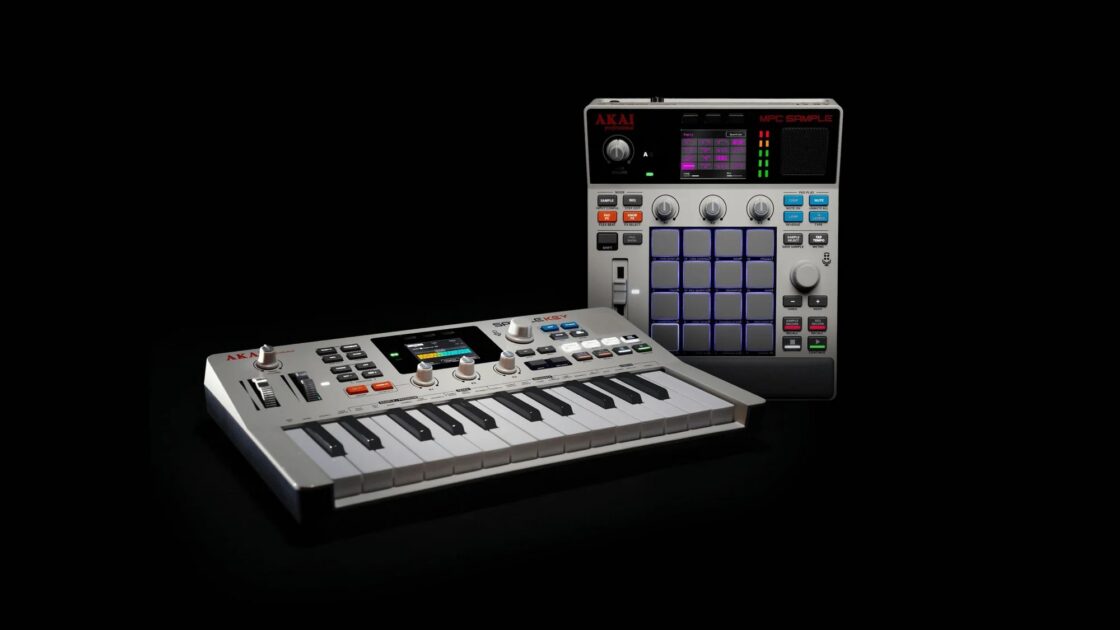
The new initiative involves open-sourcing the code for hardware like the newly teased MPC Sample Key. Furthermore, the company will offer a software development kit (SDK) to simplify modifications and reduce the risk of destroying the hardware. While the company is eager to see what developers create and has already started sending devices to developers ahead of the Sample Key launch, reliability remains a priority. O’Donnell explained that official software must remain entirely stable for artists performing live to prevent onstage technical issues, adding that they also plan to provide a reset button so users can experiment safely without losing their data.
Showcasing Modifications at NAMM and Reaching Across Brands
The company plans to showcase its Creator Lab at the upcoming NAMM annual convention in Anaheim. The event will allow technically inclined musicians to experience hands-on hacking across 22 new products from its various brands. This includes Moog instruments, which feature analog designs that might not seem immediately suited for vibe coding. O’Donnell believes proper platforms built around analog circuits will make modifications possible.
Industry-Wide Shifts and Varying Responses
Other companies are also welcoming modders, with Erica Synths open-sourcing the source code for its LXR-02 drum machine and Polyend doing the same for its Tracker grooveboxes. Meanwhile, Behringer announced a range of open-source devices, including a $150 MPC One clone named Kick, an E-mu SP-1200 clone, the Anima DJ controller, the Ignite sequencer, and the Polykeys 61 MIDI controller. O’Donnell noted that this industry transformation happened rapidly, stating it was absent from their task lists just five weeks prior.
Not all manufacturers share this enthusiasm, as Elektron expressed mixed feelings regarding vibe-coded modifications. Elektron prohibited sharing links to hacks and modified firmware on its official forums due to risks of bricking devices, losing warranty coverage, and blocking future updates, though general discussions remain permitted. Despite such cautious stances, the broader music gear industry recognizes that attempting to block modders is futile, prompting inMusic to choose integration over resistance.