Table of Contents
Apple’s AirPods have become one of the most successful consumer technology products since their debut alongside the iPhone 7 in September 2016. Over the past decade, unlike many other electronics and subscriptions, AirPods have notably avoided steep price increases and now offer greater value.
The History and Pricing of Early AirPods
The original wireless earbuds launched in December 2016 with a price tag of $159. Apple released the second-generation AirPods in March 2019, maintaining the $159 price for the standard model while introducing a $199 option featuring a wireless charging case. Users with first-generation models could also purchase the wireless charging case separately for $79.
Apple upgraded the lineup to the third generation in October 2021, raising the price to $179 while bringing select features from the Pro line to standard earbuds. This generation featured shortened stems, spatial audio support, and longer battery life, with wireless charging included across all models.
Modern AirPods Pricing and Ecosystem Value
The third-generation release marked the only time Apple sold a previous generation alongside a new one, dropping the price of the AirPods 2 to $129 until they were discontinued in September 2024 with the arrival of the AirPods 4. The fourth generation kept the $129 starting price, alongside a $179 model featuring Active Noise Cancellation and a wireless charging case.
The current AirPods 5 launched in September 2026, starting at a $129 baseline alongside an improved $149 model that features better battery life, stem volume controls, and wireless charging support. Meanwhile, the AirPods Pro and AirPods Max lineups maintained consistent pricing, with all three Pro models costing $249 and both Max releases priced at $549.
When adjusted for inflation, the original $159 price in 2016 equals roughly $222 today, making modern AirPods effectively cheaper. Engadget notes that keeping base AirPods reasonably priced benefits Apple by encouraging users to remain within the ecosystem and potentially purchase other compatible devices like Macs.
New Features Added Since 2016
Alongside lower effective pricing, AirPods have gained numerous upgrades over the last decade, including Active Noise Cancellation, which debuted on the original AirPods Pro in 2019 and later expanded to standard models. Internal processors have also advanced from the initial W1 chip to the H1 and H2 chips, enabling hands-free “Hey Siri” commands, Adaptive Audio, and Conversation Awareness.
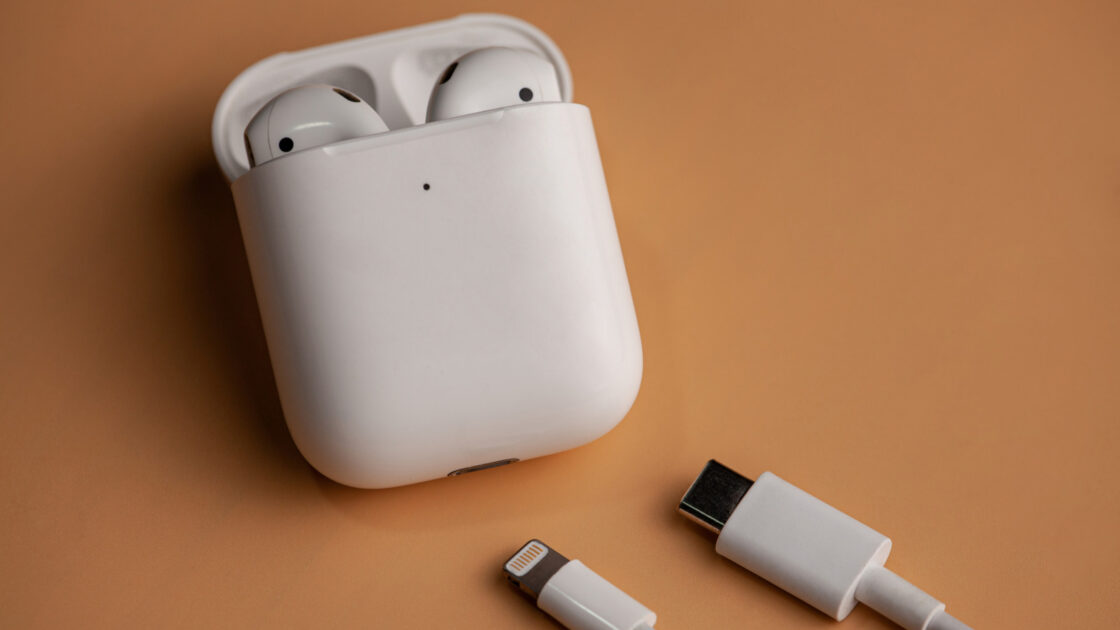
Modern iterations also support head-tracking gestures for calls and alerts, while the AirPods Pro 3 can track heart rates without requiring an Apple Watch. Charging cases have likewise evolved to include built-in speakers for locating lost devices, Find My tracking integration, and USB-C connectivity instead of the older Lightning port.
Current AirPods further benefit from Siri AI capabilities when connected to compatible Apple Intelligence iPhones, allowing for more natural language interactions and real-time conversation translation.