Table of Contents
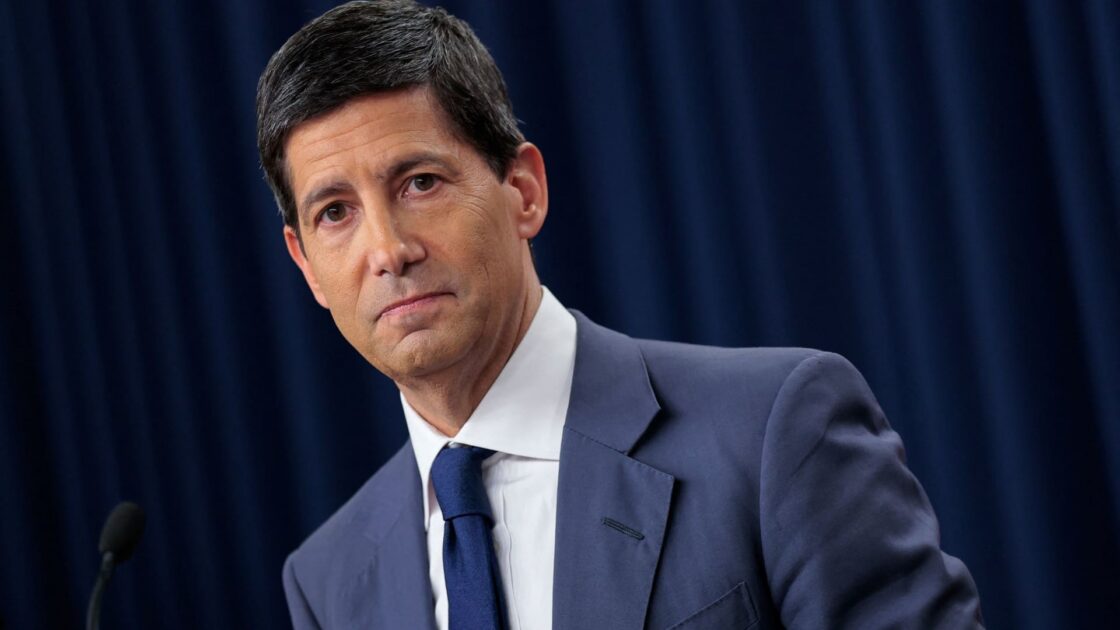
Federal Reserve Chairman Kevin Warsh has avoided signaling where monetary policy and interest rates are heading during his first six months in office. Meanwhile, his colleagues have rushed to microphones to voice sometimes conflicting opinions on how the central bank should handle persistent inflation.
A Deepening Divide Among Officials
Most officials agree that rates should be raised soon, though they disagree on the pace. Governor Christopher Waller and St. Louis Fed President Alberto Musalem have entertained more aggressive hikes in a shorter period of time, while others favor a measured approach. Warsh has largely stayed on the sidelines, expressing disdain for forward guidance because he argues it handcuffs policymakers prematurely.
According to a Bank of America analysis, recent weeks have seen more so-called Fedspeak than any similar period since the start of 2025. Bank of America economist Aditya Bhave noted in a research note that Warsh’s refusal to guide markets might be encouraging the rest of the FOMC to speak more rather than less. Bhave added that without the Chair weighing in to indicate whether hawks or doves are in ascendence, both sides feel incentivized to speak more often and forcefully.
Bhave pointed to a deepening divide on the FOMC following the decision not to increase the benchmark rate at the October meeting, which he noted increasingly looks like a mistake. Waller has led the charge among vocal hawks, raising the possibility of a half-percentage-point hike at the December meeting. Minutes from the October gathering revealed tension over Warsh’s stance, indicating that some officials favoring a hike would have accepted a hold if the Fed had clearly communicated further tightening.
Navigating Transparency and Credibility
Market veteran Ed Yardeni wrote that Warsh’s communication philosophy may be limiting the Fed’s flexibility precisely when it needs it most. Cleveland Fed President Beth Hammack, who voted against the October pause, walked a fine line during a recent public appearance by offering conditional expectations of where she thinks the economy can go without issuing formal promises or forward guidance.
Chicago Fed President Austan Goolsbee expressed sympathy for Warsh’s view against being forward-guidance-oriented and calling such pronouncements falsely precise. However, Goolsbee also emphasized the importance of individual table members explaining how they see business conditions to avoid surprising everybody and undermining credibility.
Philadelphia Fed President Anna Paulson insisted during a speech that markets can determine where policymakers are going without specific guidance if they understand how economic developments influence decisions. Paulson defended the variety of voices, stating that the measure is whether they are understood rather than how much they say, adding that a mixture of voices guards against any single communication becoming the only one that matters.
Market Impact and Volatility
Financial markets have interpreted the plethora of Fed communications in a hawkish way. CME Group’s FedWatch indicates traders are pricing in a 100% chance of at least a quarter-point hike in December, with a small probability of a half-point move, followed by high odds of additional increases into early 2027.
Current inflation indicators remain above the Fed’s 2% target, running over 3%, though market measures of longer-term inflation have declined. Treasury market five-year forward expectations sit at their lowest since April, suggesting investors are less concerned about long-term inflation despite elevated current price pressures.
Bhave warned that a sclerotic communications strategy amid volatile economic and geopolitical currents could prove dangerous and result in undue rates volatility. Tom Graff, chief investment officer at Facet, noted that Warsh advocates for a family fight atmosphere where competing viewpoints get a full airing, though that family fight currently seems to be happening out in public.