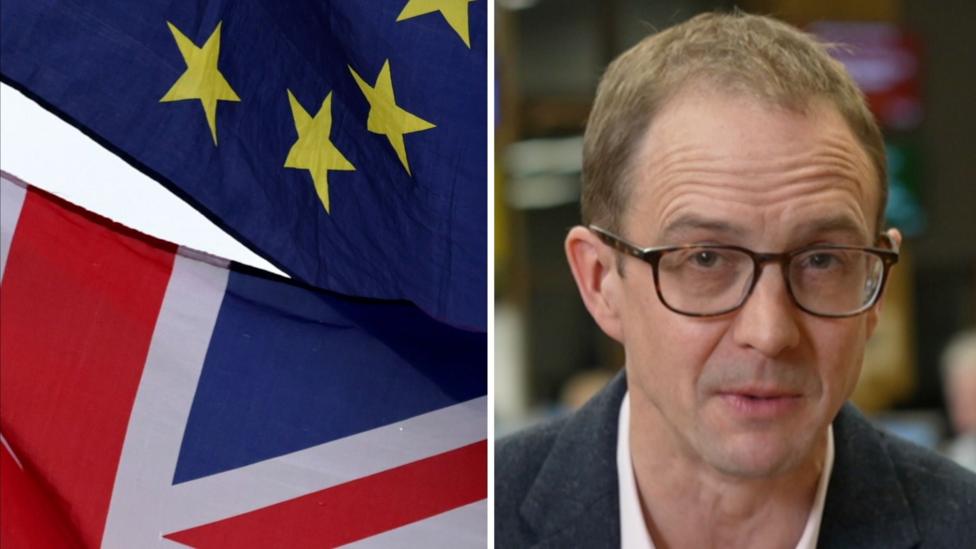
A new agreement reached between the United Kingdom and the European Union will move forward regardless of whether the two sides can settle a separate deal on university tuition fees, Foreign Secretary Ed Miliband has confirmed. The measures, finalized in Brussels on Friday, include a new youth mobility scheme and the removal of most checks on British food exports, contingent on the UK adopting certain EU regulations by 2028.
Status of the Agreement
While the broader deal has been secured, a proposal to reduce tuition fees for EU students studying in the UK remains unresolved. Despite earlier reports suggesting the EU might delay the wider agreement until the fee issue was settled, Miliband told the BBC that the components regarding food exports, energy, and youth mobility would definitely proceed. He emphasized that European Commission President Ursula von der Leyen had clearly distinguished these agreements from the separate, ongoing discussions about tuition.
Miliband confirmed that the government is preparing to introduce the necessary legislation in Parliament, noting that the implementation dates are set for 2028. He also stated that the summit resulted in no new contributions to the EU budget and would impose “no cost” on the UK taxpayer.
Economic and Political Reactions
Prime Minister Andy Burnham has described the agreement as a “win-win” that could reduce red tape and lower the cost of living. According to the Prime Minister, the Treasury estimates the deal could boost the UK economy by as much as £17bn annually. When asked about the potential for rejoining the EU, Miliband noted that “all the options will be on the table,” adding that the government would evaluate the costs and benefits of various future relationships while respecting current political “red lines.”
The deal has faced criticism from opposition leaders. Conservative leader Kemi Badenoch labeled the agreement “not fair,” arguing that it forces UK farmers to adhere to Brussels-based rules and creates job competition for young Britons. She also challenged the government’s economic projections, claiming the £17bn figure lacked a credible basis. Reform UK leader Nigel Farage condemned the deal as a “betrayal,” while Liberal Democrat leader Sir Ed Davey argued that the current measures are insufficient and called for a more comprehensive relationship with the bloc.
Higher Education Concerns
The potential impact on universities remains a point of contention. Professor Duncan Ivison, vice chancellor of the University of Manchester, told the BBC that while closer relations are positive, the tuition fee issue requires careful handling. He warned that allowing EU students to pay domestic rates could remove approximately £500m from the higher education sector, which is already under significant financial pressure. Environment Secretary Dame Angela Eagle stated that the Treasury and the Department for Education are committed to working with universities to reach a solution that avoids negative impacts.