Table of Contents
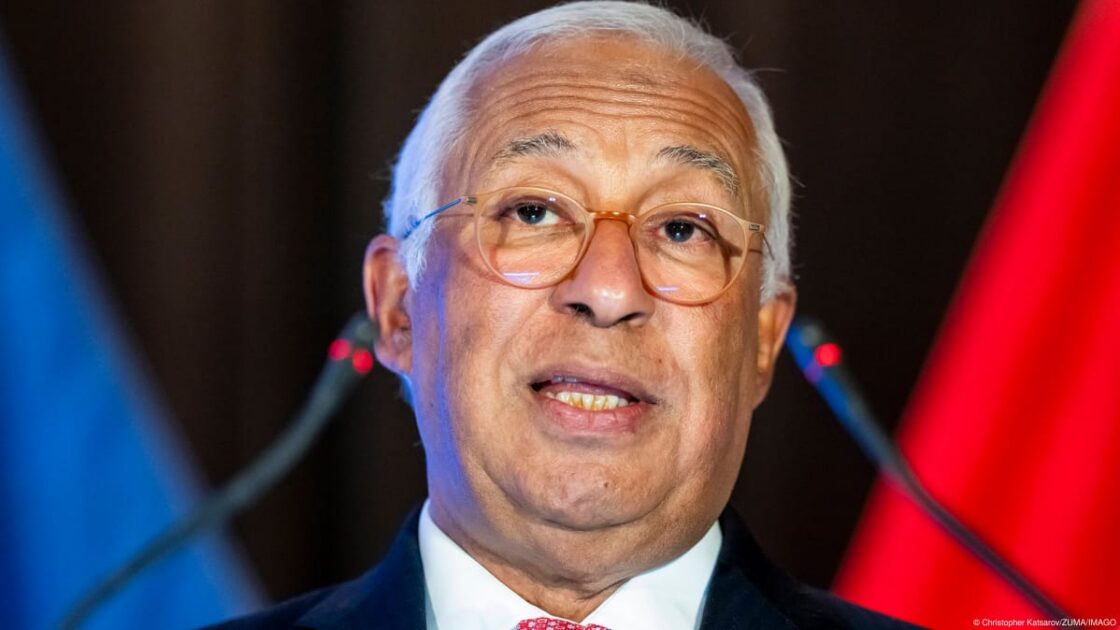
European Council President Antonio Costa has put forward a new draft for the upcoming European Union budget. His proposal introduces a tax on major technology corporations to reduce the financial burden on member states, several of which strongly criticized previous plans.
Budget Reductions and Member State Divisions
The EU budget is a shared financial pool used for initiatives such as agricultural subsidies, infrastructure projects, border control, and defense. An initial draft for the 2028 to 2034 funding period was introduced by the EU Commission in 2025, but it faced heavy criticism from northern European nations, including Germany, which advocated for a significantly smaller budget.
In response to this feedback, Costa formulated a new draft that reduces the overall budget by 204 billion euros. However, divisions among member states persist, as France immediately rejected the updated proposal by labeling it deeply disappointing.
Details of the Proposed Tech Tax
The new framework incorporates several fresh revenue streams designed to keep national contributions at a reasonable level so that individual member countries pay less than previously planned. The most prominent measure is a specific tax targeting companies with annual digital activity turnovers of at least 50 million euros within the EU and 750 million euros globally.
According to Costa, these qualifying corporations would face an annual contribution set at 3% of their annual net turnover derived from online advertising, digital intermediation services, and user-generated data. Alongside the technology levy, the proposed basket of resources includes taxes on tobacco products and electronic waste.
Upcoming Negotiations
Neither the EU Commission nor Costa holds the ultimate authority to finalize the budget independently. Costa’s plan will serve as the focal point for extensive negotiations when European leaders convene in Brussels next week.
Describing his initiative, Costa stated that the proposal is realistic and addresses modern priorities while maintaining established policies, expressing confidence that it provides a solid foundation for reaching a final agreement.
Nevertheless, initial responses indicate that a final consensus remains distant. The French presidency stated that the budget falls well short of requirements, particularly regarding the Common Agricultural Policy and income support for farmers, adding that the proposal does not currently offer a basis for an agreement. The EU originally aimed to reach a general agreement on the budget by the end of 2026, with formal adoption scheduled for 2027.