Table of Contents
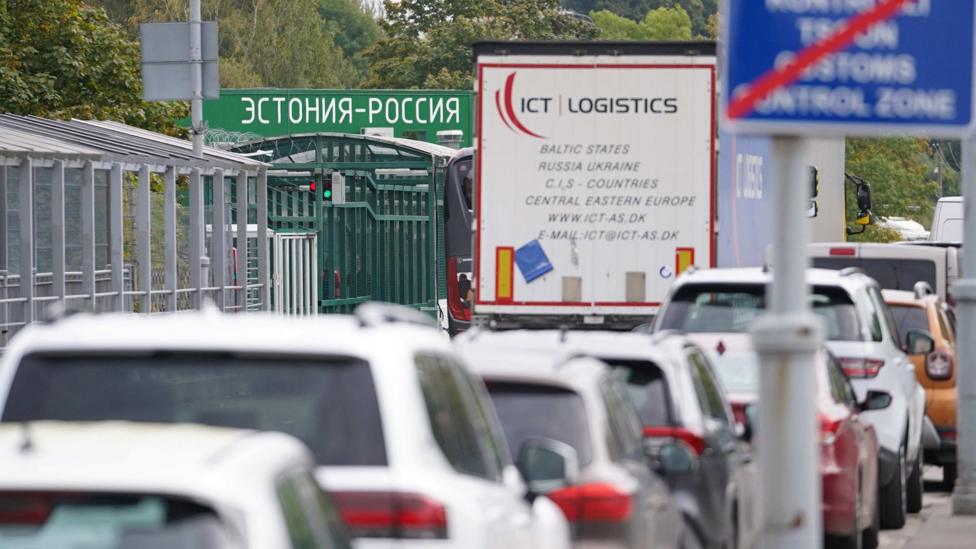
Estonia has announced plans to shut down its border crossings with Russia starting December 1. The decision follows an attempted arson attack at a drone manufacturing facility, which Estonian officials have linked to a wider campaign of Russian hybrid warfare against Europe.
Security Incident at Drone Facility
Prime Minister Kristen Michal stated that the break-in occurred on Saturday at a factory located north of Tallinn. The facility, operated by Threod Systems, manufactures reconnaissance and attack drones for clients including Ukraine and various NATO member states. According to the Prime Minister, the suspects attempted to ignite the building using flammable liquids but were unsuccessful due to enhanced security protocols at the site.
The individuals involved in the incident were arrested, with local media reports identifying the suspects as Latvian nationals. The head of Estonia’s internal security service characterized the event as an act of attempted Russian sabotage. Foreign Minister Margus Tsahkna noted that the closure of border crossings is intended to limit Russia’s capacity to carry out hostile operations within Estonian territory.
Diplomatic Tensions and Border Impact
The Kremlin has dismissed the accusations as unfounded. Spokesman Dmitry Peskov criticized the Estonian government, stating that the country is “building a wall” and suggesting that such actions historically yield negative outcomes for those who implement them.
Estonia shares a border with Russia spanning approximately 220 miles (338 km) across both land and sea. Currently, three road crossings remain in operation, though they are already subject to existing restrictions. The most prominent crossing is located in Narva, the country’s third-largest city, situated on the western bank of the River Narva. The planned closures are expected to be finalized next week and will significantly impact families living on both sides of the border.
Broader Context of Hybrid Threats
The incident is the latest in a series of events that European leaders have attributed to Russian interference since the full-scale invasion of Ukraine began in 2022. Officials across the Baltic region have frequently expressed concerns regarding Russian hybrid attacks and the Kremlin’s regional ambitions.
Other European nations, including the United Kingdom, France, Germany, and Poland, have reported similar incidents on their soil in recent months. In the UK, six individuals were imprisoned last year for an arson attack on a London warehouse that was storing aid intended for Ukraine, an act that authorities linked to Russian interests.