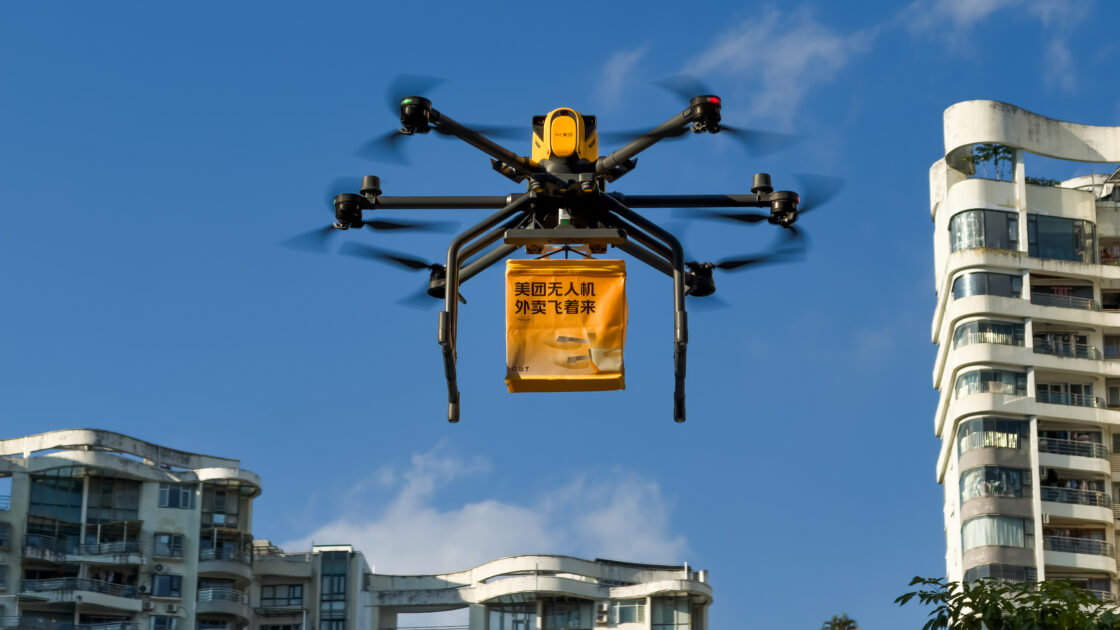
Amazon recently revealed plans to scale its Prime Air drone delivery service to cover nearly 500 municipalities by the end of 2026. This initiative, alongside similar efforts from companies like DoorDash and Zipline, signals a future where autonomous aerial delivery vehicles become a standard feature of suburban life.
The Psychological Impact of Drones
While many view the rise of delivery drones as a technological convenience, mental health professionals warn that the technology could pose significant challenges for individuals suffering from post-traumatic stress disorder (PTSD) or other anxiety-related conditions. As regulatory bodies like the Federal Aviation Administration (FAA) move toward approving deliveries that occur beyond an operator’s line of sight, the presence of these machines in residential areas is expected to increase.
The prevalence of weaponized drones in global conflicts, including the war in Ukraine and military operations in Gaza and Lebanon, has contributed to what some experts describe as “dronophobia.” This condition is not limited to those who have directly experienced combat. Even individuals who have not been targeted by drones may develop severe anxiety due to the widespread availability of combat footage on news outlets and social media platforms.
This heightened sensitivity is often compounded by broader societal concerns regarding surveillance, the rapid advancement of artificial intelligence, and the general fear of objects falling from the sky. For those living with trauma, the constant presence of drones overhead could trigger a state of hypervigilance, potentially leading to adverse reactions as these delivery systems become more commonplace.
A History of Battlefield Anxiety
The psychological influence of drones is not a new phenomenon. Since the Israeli Defense Forces began utilizing them in the late 1980s, these aircraft have impacted the mental state of both those targeted and the operators themselves. Early military applications focused primarily on intelligence, surveillance, and reconnaissance.
During the 1980s, drones were often viewed by naval personnel as mere curiosities or minor inconveniences, sometimes requiring crews to retrieve crashed units from the water. However, their role evolved significantly during the Gulf War, where they served as forward observers for military strikes. Even in these early stages, drones acted as harbingers of incoming force, establishing a psychological association between the sound or sight of an aerial vehicle and the threat of destruction.