Table of Contents
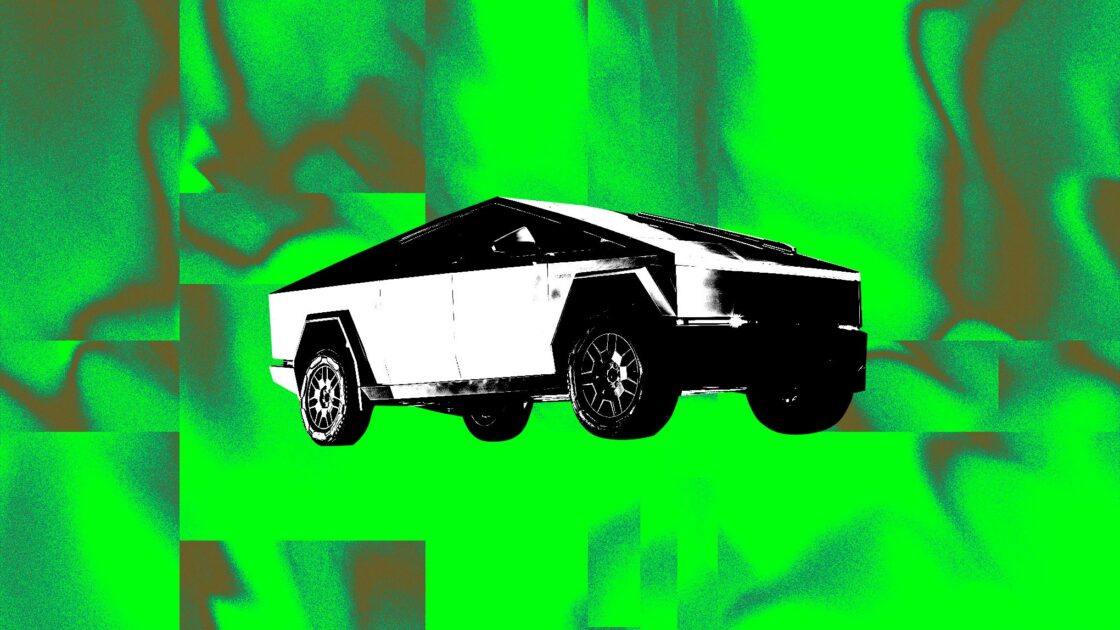
Tesla’s decision to wind down Cybertruck production by the end of summer 2027 has triggered an unusual wave of backlash within the brand’s loyal community. While fans typically support Elon Musk’s mercurial choices, the demise of the polarizing pickup has directed sharp criticism straight at the Tesla CEO.
Fan and Creator Backlash
Troy Meekhof, known online as “The Cybertruck Guy,” voiced strong disappointment over the timeline extension and the decision itself in a 33-minute YouTube video. Meekhof argued that Tesla never fully supported the vehicle’s success, pointing to a lack of advertising, confusing pricing changes, and a premature shift in focus before the truck could establish itself.
Meekhof criticized the rationale of clearing space at Giga Texas for the fully autonomous Cybercab by terminating successful products. He stated that halting top products for an autonomous platform constrained by both software and regulations seemed like a terrible choice.
Other community members echoed this frustration on social media. An account known as @TeslaXplored posted on X that cancelling the Cybertruck after years of development to make room for a limited number of Cybercabs was a lame excuse, warning that taking away consumer cars could spell the end of Tesla.
Broader Product Cuts and Aftermarket Offers
The Cybertruck is not the only vehicle to face discontinuation, following the earlier cancellation of Tesla’s flagship Model S and Model X vehicles this year. With these models phased out, the Model 3 and Model Y remain the primary vehicles available for purchase, as the Semi is commercial and the consumer availability of the Cybercab remains uncertain.
Amid the disruption, aftermarket accessory maker Unplugged Performance offered to step in, stating on social media that it would manufacture the Cybertruck and related platform vehicles under license with backing from investors.
Sales Realities and Musk’s Vision
Musk defended the vehicle’s demand on X, stating that order rates far exceeded production capacity and that the company would attempt to build as many as possible before shutting down the line while returning deposits for numerous customers. At the same time, Musk remains focused on a future centered on Cybercabs and humanoid robots, asserting that the Cybercab will dominate passenger miles where legally permitted.
Despite strong initial projections from Musk anticipating annual sales between 250,000 and 500,000 units, actual sales fell significantly short. Tesla sold an estimated 20,000 trucks last year and is tracking below that figure for the current year.
The stainless-steel vehicle, once promoted as a symbol of an indestructible future, now stands as a monument to changing priorities, reminding Tesla supporters that no product lineup is guaranteed in Musk’s enterprise.