Table of Contents
As the second week of climate negotiations begins in Antalya, COP31 co-hosts Australia and Turkey have introduced a draft political agreement. The proposal advocates for an immediate transition away from fossil fuels and seeks to triple climate adaptation funding for developing nations to at least $120 billion (€109 billion).
Electrification and Emission Targets
The draft includes a goal championed by Turkey to boost global economic electrification to 35% by 2035. While the text highlights clean energy, it notes that electrification can offer benefits regardless of the specific electricity mix. This stance has sparked debate, as many participants argue that electrification efforts must be strictly linked to renewable energy sources.
The document also expresses “deep concern” regarding the 1.5-degree Celsius (2.7-degree Fahrenheit) warming threshold established in the 2015 Paris Agreement, suggesting the target is currently out of reach. It calls for urgent action to minimize the duration and magnitude of any temperature overshoot to return global warming to below 1.5C as quickly as possible. To address rising carbon levels, the draft proposes a rapid expansion of carbon capture and storage technologies.
Perspectives on the Draft
Martin Kaiser, head of Greenpeace Germany, stated that the text provides the necessary components for a successful conference, including a goal for climate neutrality in industrialized nations by 2030. However, Kaiser criticized the lack of binding commitments and warned that Europe must collaborate with China and vulnerable nations to prevent oil-producing countries from weakening the final agreement.
Ani Dasgupta, president of the World Resources Institute, noted that the world must confront the reality of exceeding 1.5 degrees of warming. He emphasized that this requires scaling up both nature-based solutions, such as restoring wetlands and forests, and emerging carbon-capture technologies. Conversely, some activists have dismissed carbon capture as a corporate-promoted “false solution.”
Cosima Cassel of the think tank E3G described the draft as ambitious but warned that the coming days will force negotiators to make difficult trade-offs. David Waskow, director of the WRI’s International Climate Initiative, added that the text demonstrates a level of seriousness regarding methane emissions, oceans, and finance, though the ultimate success depends on whether this ambition remains in the final version.
The Central Role of Climate Finance
Financing remains a primary point of contention, specifically regarding whether support should be delivered via grants or loans and how to increase funding for developing countries. Representatives from small island states and developing nations have expressed frustration over recent climate inaction and declining financial pledges from wealthy countries.
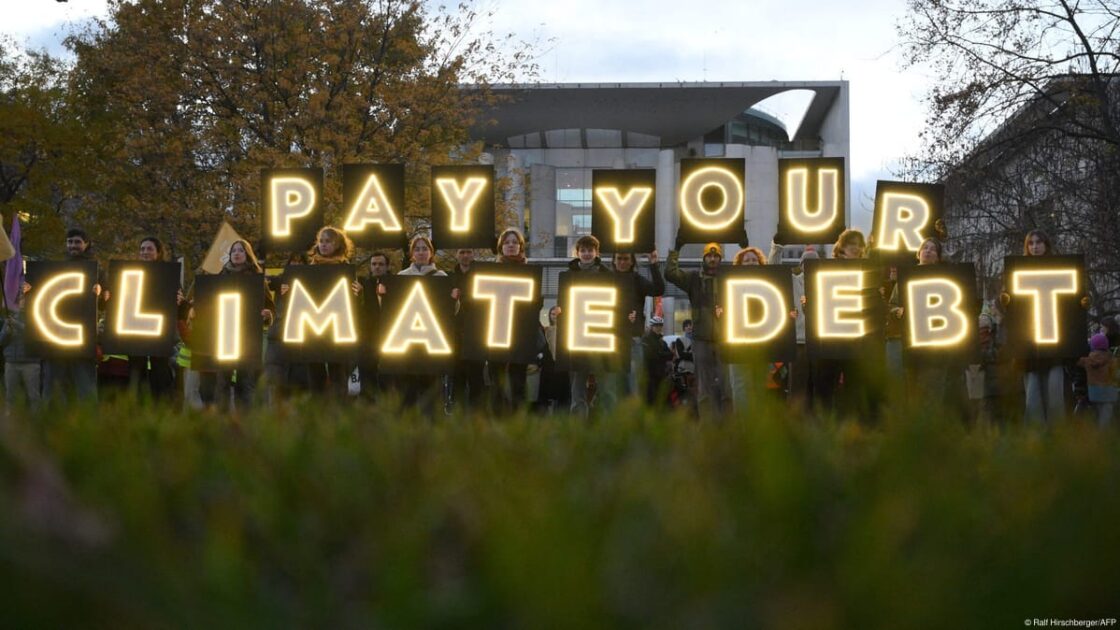
Rukiya Khamis, a program manager at 350.org, stated that climate finance is not an optional addition but a fundamental condition for progress. Harjeet Singh of the Fill The Fund campaign echoed this sentiment, urging that promises be converted into actual, grant-based funding to address the losses and damages caused by climate-related disasters like droughts and floods.
Australian Climate Change and Energy Minister Chris Bowen, who is leading the negotiations, expressed optimism regarding the discussions. He told reporters that the tone of the talks has been constructive and that parties are engaging in a spirit of cooperation to reach a consensus.
Delegates are expected to continue debating the 144 items contained in the 18-page draft with the goal of reaching a final agreement by Friday.