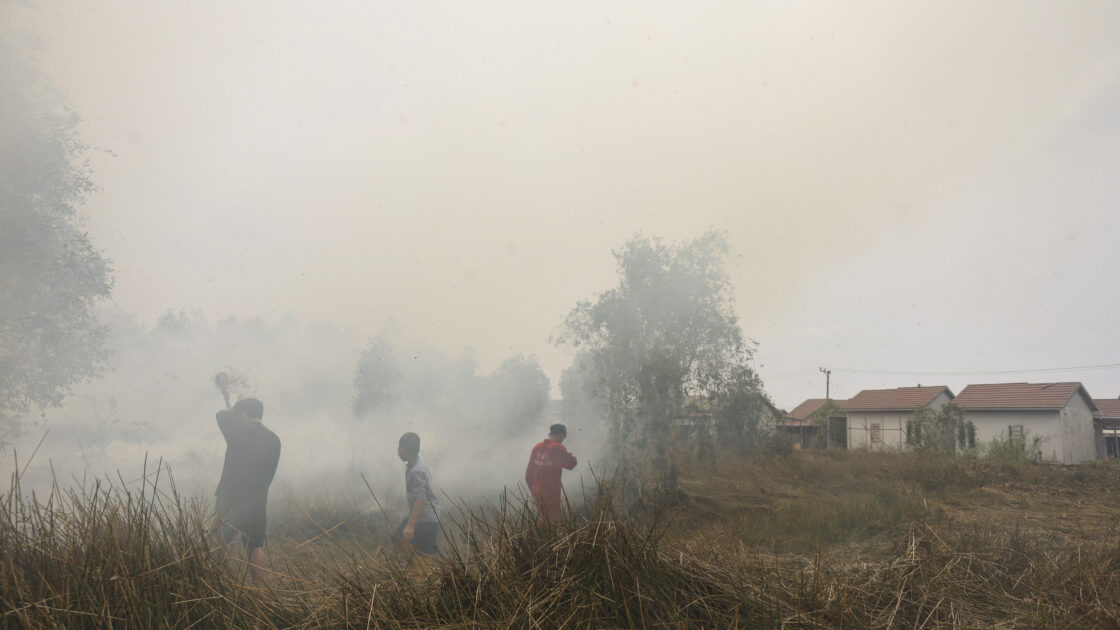
Toxic smoke from severe wildfires in Indonesia resulted in 3,560 deaths during the month of September, according to a newly released report. The study, published by the Centre for Research on Energy and Clean Air (CREA) on Thursday, revealed that air pollution-related fatalities nationwide jumped by 42 percent, climbing from an estimated 3,740 deaths in August to 5,310.
Impact on Worst-Affected Regions
The Helsinki-based research organisation stated that toxic forest and land fire emissions accounted for 3,560 fatalities. Meanwhile, ongoing chronic emissions stemming from urban and industrial sources contributed an additional 1,750 deaths during the same period. In the hardest-hit areas of Kalimantan on Borneo and across Sumatra, toxic wildfire smoke was responsible for 94 to 99 percent and over 80 percent of all air pollution-related deaths, respectively. By contrast, fatalities on the island of Java stayed primarily linked to urban and industrial pollution.
Widespread Exposure and Environmental Factors
The study recorded a peak of 58 million citizens exposed to air quality ranging from unhealthy to hazardous levels in September. In Kalimantan alone, the population forced to breathe hazardous air nearly tripled, shifting from 2.8 million to 6.4 million individuals during the peak days of the month. The fires, fueled by an El Nino-induced drought and deforestation, have produced toxic smog affecting the entire Southeast Asian archipelago and increasing pollution in neighboring nations such as Malaysia, Singapore, the Philippines, and East Timor.
As the Indonesian government faces mounting criticism regarding its handling of the disaster, authorities defended their actions on Wednesday. Officials reported the deployment of more than 72,000 personnel for firefighting and cloud-seeding efforts, the mobilization of over 2,100 health workers and doctors to severely affected zones, and the distribution of 5.3 million masks.