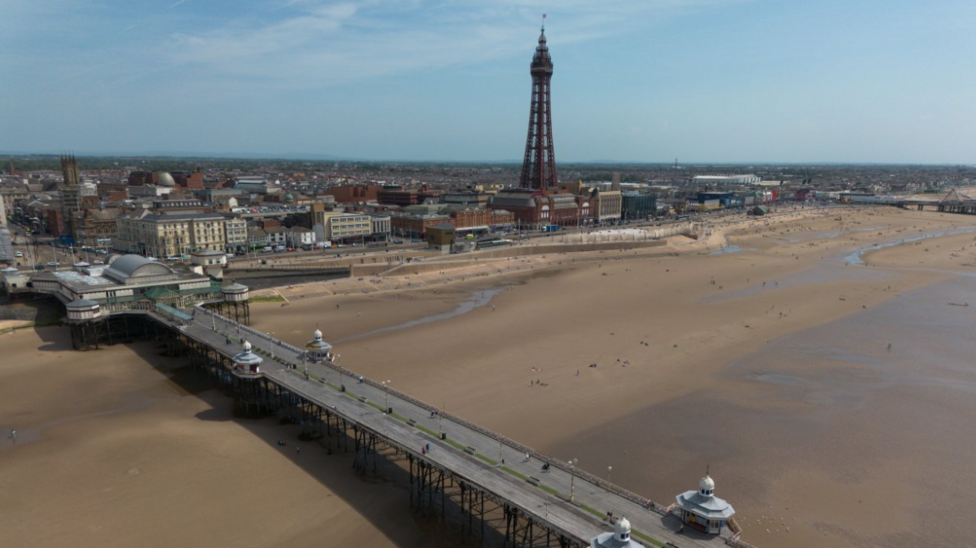
A decision regarding controversial coastal defences proposed for Blackpool has been delayed. Councillors postponed a major planning application for 17 groynes after the RNLI submitted a formal objection to the project.
Safety Concerns and Planning Delay
The charity previously stated that the local authority had disregarded safety concerns raised by the organisation, including heightened risks for tourists and rescue teams. The proposed project involves constructing manmade rock headlands on the beach to trap sand and stop the erosion of the town’s sandy beaches. Since the planning application was submitted, more than 60 objections have been filed against it.
Following the deferral of the Blackpool beach management scheme by the council’s planning committee, additional talks have taken place concerning risk assessments for RNLI operations. Several multi-agency meetings have been held, with more planned, to discuss required risk assessments for rescue and recovery operations around the groynes. Additionally, Blackpool Council’s health and safety teams evaluated and revised the council’s own risk assessments for coastline operations. Subject to planning approval, construction on the Bispham and Blackpool Beach Management schemes is scheduled to begin in early 2027.
Funding Pressures
Government reductions in funding for new projects announced this year have increased the urgency to advance the current Blackpool Beach Management schemes. A report presented to Blackpool Council’s Climate Change and Environmental Scrutiny Committee noted that consultations have occurred with business leaders, stakeholders, and residents, and will persist through the pre-construction phase and project execution.
The report warned that if funding is withdrawn, future financing will not be available at the existing 100% level. Furthermore, new funding regulations implemented by the Environment Agency in April 2026 mandate that any new projects valued over £3m must supply 10% of the capital funding. For the Blackpool Beach Management schemes, this requirement would necessitate a £13m council contribution.