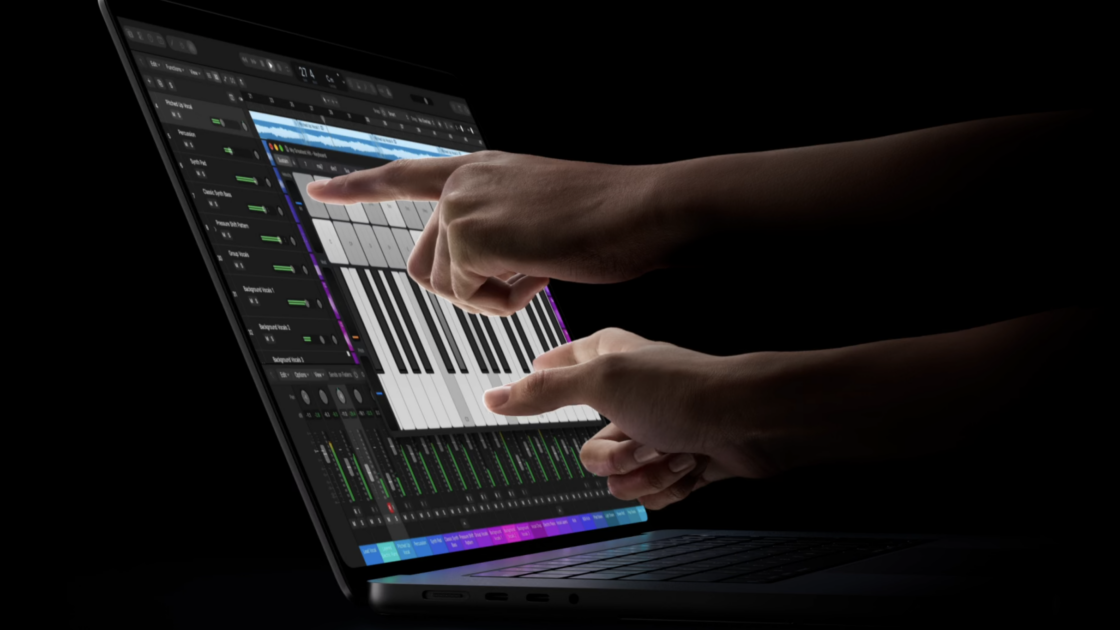
Apple has introduced its new MacBook Pro featuring a PROLED XDR Display and touchscreen control, with entry-level prices starting at $2,899 for the 14-inch M5 Pro model and $3,399 for the 16-inch version before education discounts. Fully maxing out the processor, memory, and storage in the preorder configurator pushes the total price to $14,549.
Breaking Down the Maximum Configuration
Reaching the highest-tier setup begins with the 16-inch PROLED XDR model at $3,399, available in silver or space black. Adding a Nano-texture glass antireflective finish costs an extra $150. Upgrading the processor from the M5 Pro’s 20-core GPU to the M5 Max 35-core GPU brings the total to $4,949, while a further upgrade to the 40-core GPU adds another $300 to support complex tasks like gaming, video editing, and AI-driven operations.
Memory and storage upgrades drive the price up significantly. Upgrading from the standard 48GB of unified memory and 2TB of storage to 128GB of memory adds $2,000, and choosing 16TB of storage adds $7,000. Lori Grunin, CNET senior editor for computers and gaming hardware, noted that such high-capacity components are naturally costly and compounded by current AI-fueled price spikes in RAM and solid-state storage. These upgrades boost performance for massive files in high-resolution video, 3D models, and complex datasets, though neither memory nor storage can be upgraded after purchase. Grunin also remarked to CNET that such a high price tag should ideally include an M5 Ultra chip, though Apple likely cannot fit that processor into a laptop yet.
Who Buys a $15,000 Laptop?
With a price exceeding that of a used car, these maxed-out machines are generally not intended for everyday consumers or individual buyers. CNET Managing Editor Joshua Goldman stated to CNET that these laptops are meant for individuals who do not have to pay for them out of pocket.
Powerful mobile workstations configured to order are typically purchased through enterprise procurement by corporations, startups, and institutions, including engineering firms, Hollywood visual effects houses, and data science teams. Grunin noted that comparable high-end enterprise workstations from competitors like Dell, HP, or Lenovo can similarly exceed five-figure price tags. While some wealthy individuals will purchase them, enterprise buyers make up the majority of customers for top-tier configurations, leaving most everyday buyers to choose more modest models.