Table of Contents
South Africans are heading to the polls for highly contested local elections that could see a significant loss of votes for the governing African National Congress (ANC). The election season features intense campaigning by politicians, while election officials report that voting is proceeding smoothly despite long queues at certain polling stations.
Challenges Facing the ANC
The elections serve as a test for nearly 300 municipalities responsible for basic service provision like water, electricity, and refuse collection. The ANC suffered a disastrous national election recently, losing its parliamentary majority for the first time since the end of apartheid in 1994. Support for the party has dropped from 70% in 2004 to 40% two decades later due to public anger over corruption, unemployment, and crime. While polls and pundits predict further losses, President Cyril Ramaphosa denied that his party is in a downward spiral, telling supporters at a final rally that the ANC is heading higher.
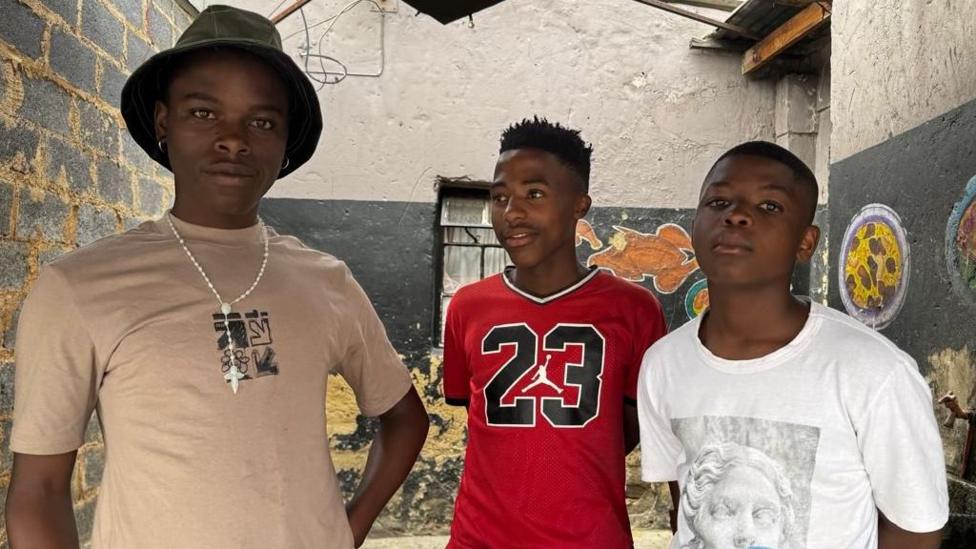
In townships such as Alexandra, north-east of Johannesburg, poor governance and voter apathy are eroding the party’s traditional base. First-time voter Sanele Ntombela told BBC News that rubbish, electricity struggles, and water issues plague the area. Conversely, 33-year-old Zandile Mncube stated she would not vote because conditions have worsened over the years. Similar patterns of neglect appear in Soweto, where resident Mduduzi Makhubo described weekly water cuts and expressed a desire to use his vote to change the status quo against arrogant local leaders.
Auditor-General Warnings and Metro Races
Reports from the auditor-general highlight a dire financial state across most municipalities, with only 39 clean audits recorded between 2024 and 2025. None of Gauteng’s three metro cities—Johannesburg, Tshwane, and Ekurhuleni—made the list. Auditor-general Tsakani Maluleke told lawmakers that Johannesburg requires ongoing attention to prevent further deterioration of financial health and service delivery, with the city labeled effectively bankrupt due to unstable electricity, water issues, and dirty streets.
Political analyst Melanie Verwoerd told BBC News that the elections act as a verdict on the ANC, with expectations of a historically poor performance. Ipsos polling puts ANC support at 30%, down from 46% in 2021, while predicting the Democratic Alliance (DA) will rise to 25% from 22%. DA leader Helen Zille has attracted attention with an unconventional campaign involving swimming in potholes and riding in a classic BMW. Verwoerd noted that coalitions will likely remain common in Gauteng, though arrangements have previously proven unstable and chaotic.
Future Outlook and Coalition Governments
Cape Town is expected to remain under DA control as the country’s best-performing metro, but Ethekwini in KwaZulu-Natal presents a different scenario. The uMkhonto weSizwe (MK) Party, founded by former President Jacob Zuma, is projected to perform well there but may lack an outright majority. Zuma vowed to take control of multiple municipalities, though forming a government could prove messy given the party’s refusal to work with the ANC or DA. Dr Levy Ndou, another political analyst, agreed that a coalition between the DA and ANC appears unavoidable in most metros.
Both experts noted a steady decline in voter turnout, particularly among young people, which Ndou attributed to the caliber of candidates and low visibility of local councillors during campaigns. The electoral commission has seven days to announce the final results, while political parties have 14 days to establish governing structures.