Table of Contents
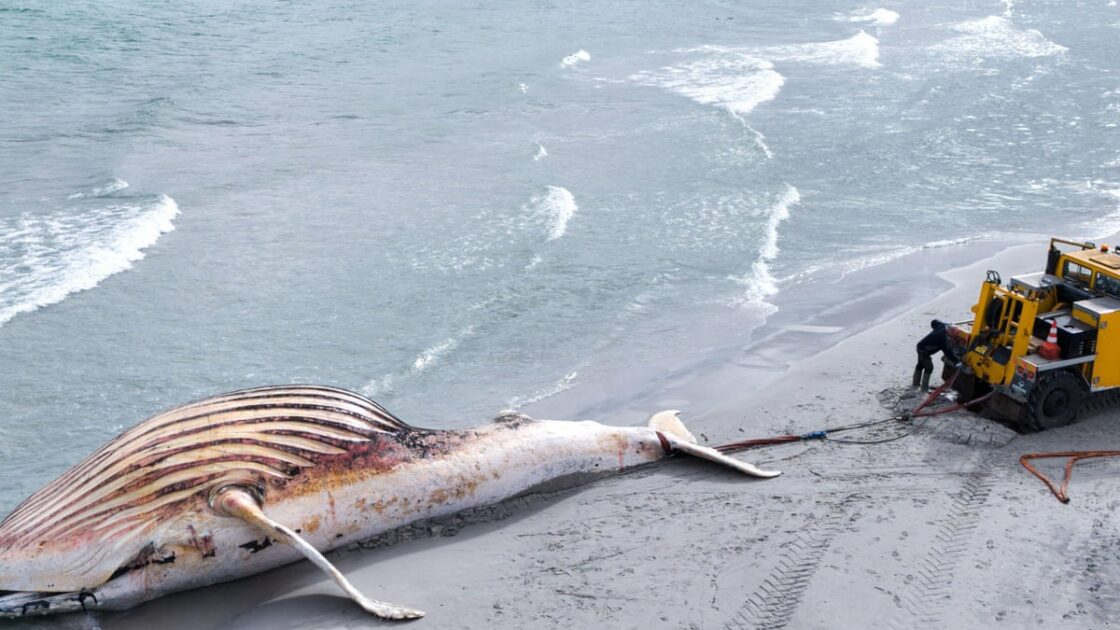
When a large humpback whale became stranded on Germany’s Baltic coast, the animal triggered intense public debate, with crowds gathering, conspiracy theories spreading, and animal lovers arguing with veterinarians. The ordeal on the island of Poel placed volunteer fire chief Bodo Köpnick at the frontline of a media and political frenzy as the country reacted to the stranded mammal.
A Stranded Whale and Mounting Public Frenzy
Köpnick and his team spent shifts spraying the exposed back of the whale with seawater while reporters gathered on a nearby grassy hill behind police barriers. Comedian Hape Kerkeling dubbed the whale “Timmy” using a comic character persona, while others called her “Hope,” leading to the moniker Timmy Hope. As footage circulated online, conspiracy theories emerged claiming authorities were spraying the whale with acid to dissolve its flesh so the Ocean Museum Germany could acquire its skeleton. Others suggested the skeleton would be sold to fund the war in Ukraine, tapping into local economic resentments regarding the Nord Stream pipeline.
The situation escalated when about 100 protesters broke through police barriers, prompting Köpnick to lead two pack leaders to his monitor to explain that he was watering the animal rather than tying it down or using acid. Political scientist Kai Arzheimer noted parallels to the COVID-19 pandemic, observing that protesters ranged from left-wing esoteric groups to right-wing populists who found common ground in the whale’s story.
Scientific Assessments and Competing Rescue Efforts
The whale, measuring nearly 12 metres long, suffered from freshwater skin disease due to the low salt content of the Baltic Sea, which caused pustules and ulcers. Before reaching Poel, Timmy had already beached herself several times and was tracked dragging fishing nets, which Sea Shepherd Germany and Greenpeace eventually cut away. YouTuber and wildlife photographer Robert Marc Lehmann then arrived with a team to take charge of the operation, using excavators to dig an escape channel and guiding the animal. Lehmann’s abrasive presence and filming created friction with scientists from the Institute for Terrestrial and Aquatic Wildlife Research (ITAW), including Stephanie Groß.
After swimming clear on 26 March, Timmy became lost in the shallow waters of Wismar bay and the Kirchsee near Poel, an area less than 200cm deep. Burkard Baschek, director of the Ocean Museum Germany, coordinated efforts to coax the whale out while maintaining that the animal was sick and that further rescue attempts would amount to animal cruelty. Environment Minister Till Backhaus commissioned an expert report concluding that the whale was weak, sick, and at risk from skin lesions, leading officials to advise leaving the animal in peace.
Despite warnings from experts and animal welfare groups, two millionaires—racehorse breeder Karin Walter-Mommert and electronic goods retailer co-founder Walter Gunz—funded a privately organised rescue team costing around €2m. The diverse team included Peruvian author Sergio Bambarén, known as the “whale whisperer,” a TikToker and former Hells Angel, and various veterinarians and marine experts like Jeff Foster and Pedro Baranda. On 15 April, Environment Minister Backhaus announced that the private rescue would be tolerated rather than officially permitted.
Release, Aftermath, and Legal Fallout
Volunteers worked for weeks to treat the whale with zinc cream, wet sheets, and pontoons, eventually coaxing Timmy into a modified barge. On 1 May, the whale was released north of Denmark. While Baranda and Foster noted tracker data showed Timmy dived to depths of 150 metres indicating she was hunting, observers reported concerning scenes during the release. Foster described the whale being forcibly dragged over sandbags by its tail, leaving him in shock. Environment ministry data indicated Timmy died on 6 or 7 May, and her corpse was discovered on the Danish island of Anholt on 14 May, before being processed into biodiesel and biomass by Daka Denmark.
The operation resulted in financial disputes and legal fallout, with Walter-Mommert being sued for €1.35m by a businessman over unpaid staff and equipment costs, while state prosecutors sifted through hundreds of public charges directed at Backhaus, the private initiative, and museum staff. Memorial merchandise and a satirical play titled Timmy: Hope Dies Last emerged from the media phenomenon. Reflecting on the empty bay months later, Köpnick noted the unusual nature of the event compared to past practices on the island.