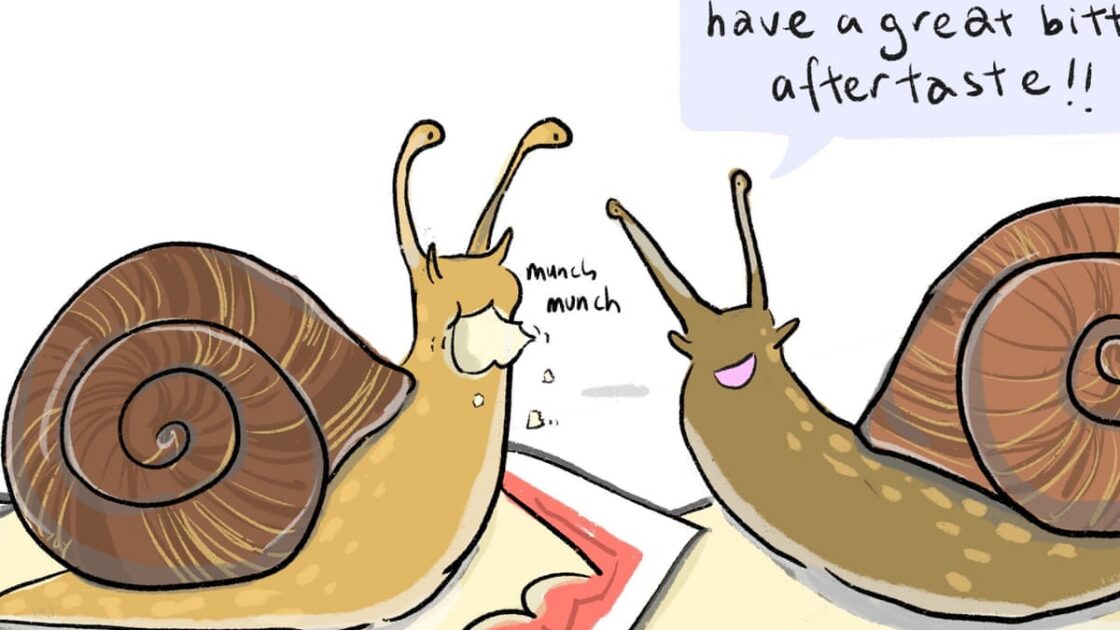
Garden snails often seek shelter in letterboxes during wet weather and can end up consuming mail left inside. Ecologists and snail experts explain that because letters are processed vegetable matter, these resilient gastropods find paper an appealing food source when they look for moisture and protection.
Why Snails Eat Paper and Their Ecological Role
Dr John Stanisic, known as the Snail Whisperer, explains that letters are processed vegetable matter, making them attractive to snails. Stanisic once experienced this firsthand when snails escaped a container during a science program preparation and ate the front page of his running sheet. This behavior is part of a broader evolutionary history that spans 350 million years.
Ecologist Simon Mustoe, author of Wildlife in the Balance and How to Survive the Next 100 Years: Lessons from Nature, notes that snails consume waste, which is critical for ecosystems and may have helped prevent the late Devonian mass extinction. Dr Isabel Hyman from the Australian Museum adds that invertebrates are essential for a flourishing food web, supporting larger mammals and birds.
Australia hosts about 2,500 native species, but the letter-munching culprits are common garden varieties introduced from Europe 120 years ago. Stanisic explains that moisture is vital for snails to survive and produce the mucus required for movement and keeping their bodies active, which drives them into humid letterboxes.
How to Protect Your Mail Safely
While introduced garden snails are often considered pests, experts advise caution when controlling them. Hyman warns against using poisons that harm native invertebrates, noting she prefers feeding pests to blue-tongue lizards. Mustoe adds that traditional snail pellets can kill natural predators such as birds, mammals, insects, toads, turtles, and wild turkeys, as well as household pets like dogs.
To keep snails away from letterboxes without using dangerous chemicals, Hyman recommends placing copper tape to create an uncomfortable electric charge when their mucus touches the metal, combined with a sharp angle they dislike crossing. Other deterrents include sand, diatomaceous earth, coffee grinds, or crushed eggshells. While Stanisic notes that snail baits are effective, they also kill native species and should be avoided near bushland, though products containing iron offer a safer alternative.
Mustoe emphasizes a pragmatic approach when dealing with such resilient creatures, advising people to clear out letterboxes and check mail regularly.