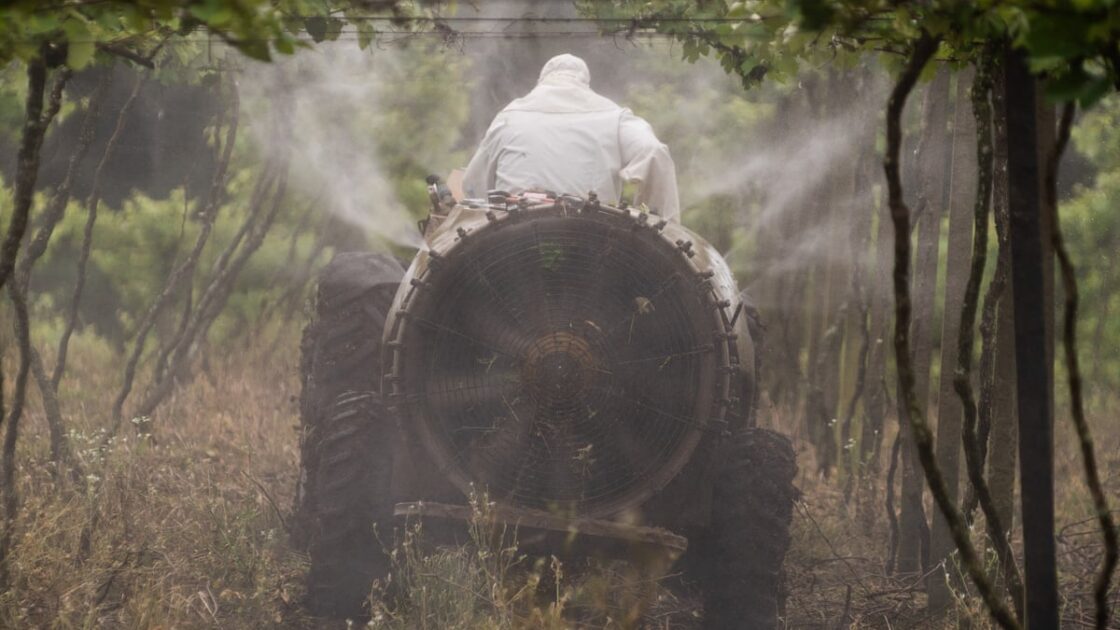
Pesticides sold by European chemical companies were named in more than 1,600 poisoning reports in Brazil last year, according to an investigation by Unearthed and Public Eye. About a third of the cases involved chemicals banned from use on farms in the European Union due to risks posed to people and the environment, though European companies are permitted to manufacture and export them to countries where their use remains legal.
Investigation Findings and Health Impacts
The analysis of Brazilian health ministry data published on Tuesday revealed that out of 2,857 poisoning reports naming an identifiable agricultural product, 1,605 cited brands sold by European pesticide companies. Farm workers in Brazil reported symptoms such as rotting flesh, burning skin, breathing difficulties, and vomiting after handling the chemicals, while a small number of individuals died accidentally or killed themselves by ingesting the products.
Under Brazilian law, healthcare professionals must submit reports to the national disease notification system for all suspected pesticide poisoning cases, though these are marked as confirmed or exposure based on clinical judgment rather than laboratory tests, which remain rare. Vanda Garibotti, a public health biologist at the State Centre for Health Surveillance in Rio Grande do Sul, noted that insufficient training and high staff turnover among medical professionals are major limiting factors in confirming diagnoses.
The data showed that of 6,700 medical reports involving agricultural pesticides last year, 2,857 named an identifiable product, with 1,420 classified as confirmed poisonings and 1,108 as exposures. Across all poisoning reports involving European company products, 32 deaths were recorded, including 26 classified as suicides. Syngenta products were cited 425 times and BASF products 179 times, with some reports naming multiple manufacturers.
Specific Products and Manufacturer Responses
Some implicated products are manufactured in Britain, such as Reglone, a weedkiller containing diquat that was banned in the UK in 2020. Swiss-headquartered Syngenta still manufactures Reglone at its Huddersfield factory for export, including to Brazil, where the health ministry recorded 75 cases involving diquat last year, including Reglone specifically named in 44 reports and four deaths.
Another product, Dormex, manufactured in Germany by Alzchem and distributed by BASF, contains cyanamide, which was banned in the EU in 2008. Farm worker Sidnei Souza de Oliveira suffered severe injuries when a jug of Dormex spilled on his leg, resulting in dead tissue that required surgical removal. Other identified products included BASF’s Finale containing glufosinate, banned in the EU in 2018, and Bayer’s glyphosate-based weedkiller Roundup, which was cited in poisoning reports including 12 deaths.
Nina Schrank, a senior campaigner at Greenpeace UK, described the findings as a deadly double standard, stating that ministers must stop Britain from producing toxic chemicals that endanger lives overseas. Nina Schrank told Greenpeace UK that if a pesticide is too dangerous for use in Britain, it should not be exported.
A spokesperson for Syngenta stated that almost half of the Brazilian cases attributed to the company were not classified as confirmed poisonings and accused the investigation of disregarding the dataset’s final classifications and selective interpretation. Syngenta added that Brazil operates a robust regulatory system that independently assesses products based on local conditions, and noted it trained 95,000 people in safe product use in Brazil in 2025.
Bayer stated that its products are safe when used according to label instructions and questioned the reliability of the data, arguing that exposure circumstances were not independently verified and that Roundup is widely used as a generic term for various weedkillers. Bayer added that a pesticide being banned in the EU does not indicate it is unsafe in other regions with different agricultural conditions, and noted its safety training programs reached more than 4 million people globally in 2025.
BASF expressed deep concern over the reported poisonings, suggesting that some incidents involved intentional ingestion or misuse of products intended exclusively for agricultural use. BASF stated it is confident in the product safety when used in accordance with labels and applicable standards, and noted its safety training initiatives in Brazil reached over 14,475 participants in 2025.
The companies will continue to monitor safety practices and provide training programs for agricultural workers handling crop protection products in the region.