Table of Contents
- Asparagus Butts and Fibre Benefits
- Beetroot Skin and Root Veggies
- Cauliflower Core and Leaves
- Drying and Experimenting with Scraps
- Fermentation and Greens
- Herb Stalks and Intensity
- Jam and Kiwi Skin
- Leek Tops and Mango Pits
- Nettles and Organic Produce
- Pineapple Skin and Quick Pickles
- Roasting and Squash Skin
- Tea, Umami, and Value
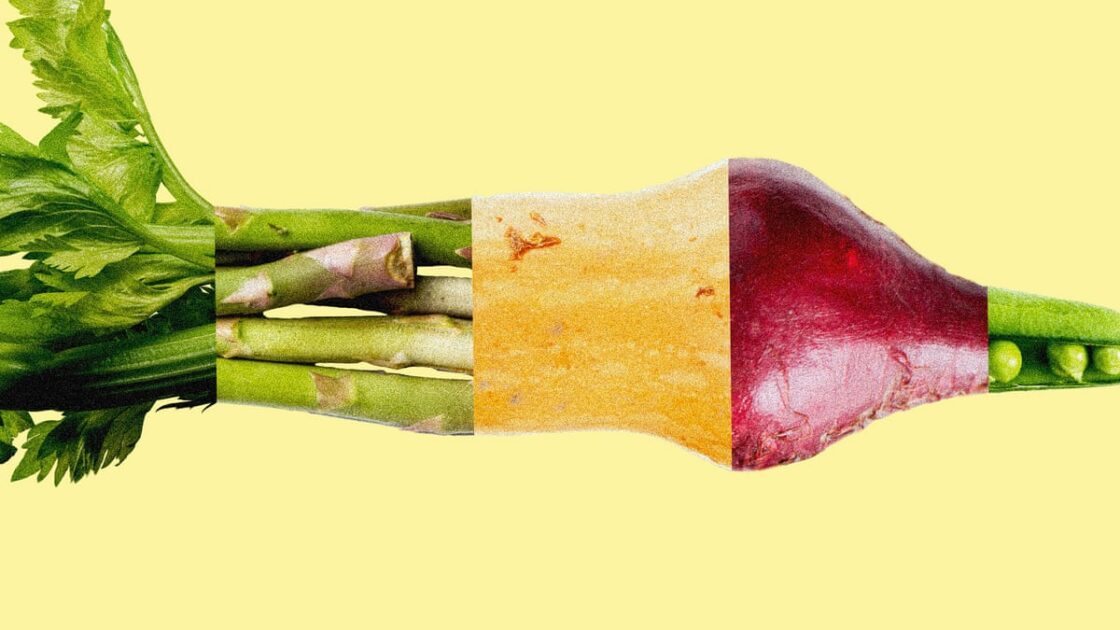
Discarding peels, skins, stalks, and seeds means missing out on valuable nutrients and flavour, according to a recent study by King’s College London published in the International Journal of Food Sciences and Nutrition. The research revealed that ten out of 12 types of produce analysed contained higher levels of dietary fibre in their scraps than in the flesh, offering a way to tackle both the global dietary fibre deficit and food waste.
Asparagus Butts and Fibre Benefits
Traditionally thrown away, tough asparagus ends pack plenty of flavour. Chef Tom Hunt suggests freezing them for soup, or blanching and blending them into a salad dressing or flavoured butter. Incorporating leftovers matters because 96% of adults fail to meet the recommended daily intake of 30g of fibre, according to Sammie Gill, a senior nutrition scientist at the British Nutrition Foundation. Gill notes that peels, stalks, and seeds also supply plant chemicals called polyphenols, which are linked to health benefits ranging from brain to metabolic function.
Beetroot Skin and Root Veggies
Vegetable skins often outpace the flesh in fibre content, containing 40% more in beetroot and 84% more in celeriac. Root vegetables, tubers, and rhizomes—including potatoes, carrots, parsnips, and ginger—only require a good wash rather than peeling. For recipes requiring a smooth puree, chefs can bake the peelings with oil and seasoning to create vegetable crisps.
Cauliflower Core and Leaves
A cauliflower’s core and leaves contain 112% more fibre than its florets. Scottish chef Adam Handling views the vegetable as a complete ingredient, recommending roasting, pickling, or fermenting the leaves and stalks. Sustainable restaurant owner Tom Heywood grates the core into couscous and rice, while other companies suggest adding the entire vegetable into cauliflower cheese.
Drying and Experimenting with Scraps
Heywood spreads carrot offcuts on a tray and dries them in an oven on the lowest setting for several hours before blitzing them into a powder for earthy sweetness and vibrant colour. Handling encourages culinary imagination, suggesting pea pods for risottos and banana skins for chutneys, noting that every kitchen experiment teaches valuable lessons even if textures or flavours do not work out.
Fermentation and Greens
Fermentation transforms kitchen scraps, turning cauliflower leaves into kimchi and leftover carrots into a fermented slaw. Many nutritious leaves are discarded before reaching supermarkets, but greengrocers often stock them. Celery leaves work raw in salads, carrot tops become pesto, and beetroot leaves require cooking much like chard.
Herb Stalks and Intensity
While people often discard herb stems, soft herbs like parsley and coriander can be used entirely by finely chopping stems and cooking them early with aromatics. Woody stems like thyme and rosemary also add flavour to stews and traybakes before being removed. Heywood points out that ingredients like horseradish lose their fiery, intense taste when peeled before grating.
Jam and Kiwi Skin
Fruit scraps make effective jams, with Heywood cooking tough fennel outer leaves with salt, sugar, and vinegar to serve with fish, while sweet root vegetables suit jams and savoury scraps fit chutneys. Although kiwi skin features a furry texture, the King’s College study found it contains 195% more fibre than the flesh. Thin-skinned fruits like apples, pears, and figs also need no peeling, with Handling using fig leaves for cordial and ice-cream.
Leek Tops and Mango Pits
Leek tops and roots contain 77% more fibre than the rest of the vegetable, though they require thorough washing and slightly longer cooking times. Heywood uses leek and spring onion tops to infuse oil for drizzling. Canadian cookbook writer Anne-Marie Bonneau suggests using mango peels and pits alongside peach pits and strawberry cores to brew a fermented drink called kvass or to make fruit-scrap vinegar, while Hunt boils mango skins and pits with sugar and water for a coulis.
Nettles and Organic Produce
Root-to-tip cooking also embraces wild ingredients like foraged herbs, wild garlic, meadowsweet, and nettles. Picked in early spring with gloves, nettles offer a taste similar to matcha green tea and an amazing color when cooked like spinach. While skin concentrates nutrients, it also holds pesticide residues; Gill mentions rice vinegar and carbonated water help remove them, though buying organic remains the only way to avoid them entirely.
Pineapple Skin and Quick Pickles
Pineapple skin and core contain 454% more fibre than the flesh, providing as much fibre as five portions of flesh alone. Gill suggests blending the core into smoothies or using trimmings to make tepache, a fermented Mexican drink. Heywood also uses pickling to preserve seasonal tastes, utilizing a standard liquid of vinegar, water, sugar, and salt on items from coriander seeds to leek flower buds.
Roasting and Squash Skin
Roasting stalks brings out their natural sweetness, though broccoli stalks contain 28% less fibre than florets, and fennel core and outer layers have 11% less fibre than inner layers. However, roasting a pepper without deseeding yields 234% more fibre in the stalks, seeds, and placenta. Butternut squash skin and seeds contain 9.25g of fibre per 100g—nearly matching a bowl of Bran Flakes—and can be roasted until crispy after softening in stock.
Tea, Umami, and Value
Heywood dries fruit skins to create custom tea blends, such as pear skins with foraged herbs or apple skin with nettles. Alexis Nikole Nelson simmers maitake mushrooms for stock and dries the remnants into umami powder, concentrating savory glutamates and guanylates. Researchers found root-to-tip components comprise 25% to 48% of total produce weight, meaning conventional prep discards nearly half of what shoppers buy, while higher-fibre parts stretch budgets and go further.
Watermelon rind contains 426% more fibre than the flesh, with the inner white rind suitable for pickling, gazpacho, or stir-frying like courgette. Conversely, rhubarb leaves require avoidance due to high oxalic acid content that can cause adverse symptoms, and true yams demand peeling because of their coarse, bark-like skin. With the UK wasting approximately 10 million tonnes of food annually—36% of which is fresh fruit and vegetables—adopting root-to-tip cooking significantly cuts down the food-waste mountain.