Table of Contents
Cactus populations face severe threats from habitat loss and illegal poaching, and new research shows that worsening droughts will add to their struggles. A study published in the journal Nature reveals that most of the nearly 1,000 cactus species studied will lose habitat as the climate shifts, with over a quarter potentially losing at least 80 percent of their habitat by the year 2100.
Misconceptions About Desert Resilience
According to Michiel Pillet, a conservation ecologist at the University of South Florida and lead author of the study, people often view cacti as indestructible organisms capable of handling any harsh conditions. In reality, these plants share similar vulnerabilities with other vegetation. While they have evolved waxy skin to retain seasonal monsoon rainwater in the deserts of the southwestern United States, they still require adequate water to survive under the specific conditions they adapted to over millennia.
Researchers compared the situation to a hospital patient suffering from heat-related illness while simultaneously experiencing dehydration. As global temperatures rise and dry spells become more intense, cacti face compound stress. These findings indicate that desert plants are significantly more vulnerable to climate change than previously understood.
Sublethal Effects and Fragile Ecosystems
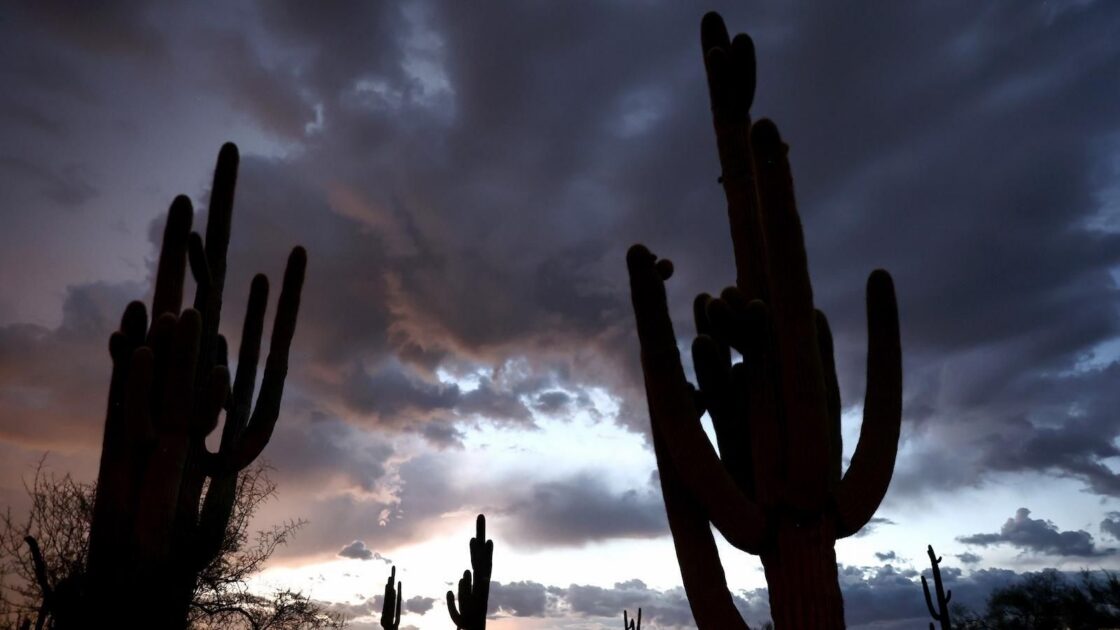
To evaluate these threats, the research team utilized observations from the citizen science platform iNaturalist, analyzing roughly 650,000 wild cactus records. The impact of drought extends beyond immediate withering and dying. Researchers note that lack of water can cause sublethal effects, such as reduced growth, failure to flower, and decreased reproduction rates. In the Sonoran Desert, iconic saguaro cacti are already reproducing less frequently during extended dry periods.
Marcos Robles, the Nature Conservancy’s lead scientist in Arizona who did not participate in the research, explained that desert ecosystems are deceptively fragile. Due to extreme heat and scarce water, disturbed or degraded environments take decades to recover, and sometimes fail to bounce back entirely.
Compounding Threats and Conservation Efforts
Droughts now compound existing hazards like habitat destruction and poaching. Conversely, rising sea levels have caused local extinction for the Key Largo tree cactus in Florida due to excess water. Additionally, elevated nighttime temperatures disrupt respiration processes that prevent water loss, leading to plant rot if additional moisture is present, as noted by Rod Haenni, president of the Cactus and Succulent Society of America, who was also uninvolved in the study.
Some cactus populations might slowly migrate toward regions with climates matching their historical adaptations, similar to plants shifting northward in the Arctic. Ultimately, the study aims to guide conservationists in prioritizing protection efforts. While experts cannot halt droughts, they can relocate vulnerable cacti to botanical gardens or establish protected populations for potential future reintroduction.
Haenni emphasized that governments must also step up to protect threatened cactus habitats, expressing hope that the new findings will inspire action despite existing political indifference in some regions.