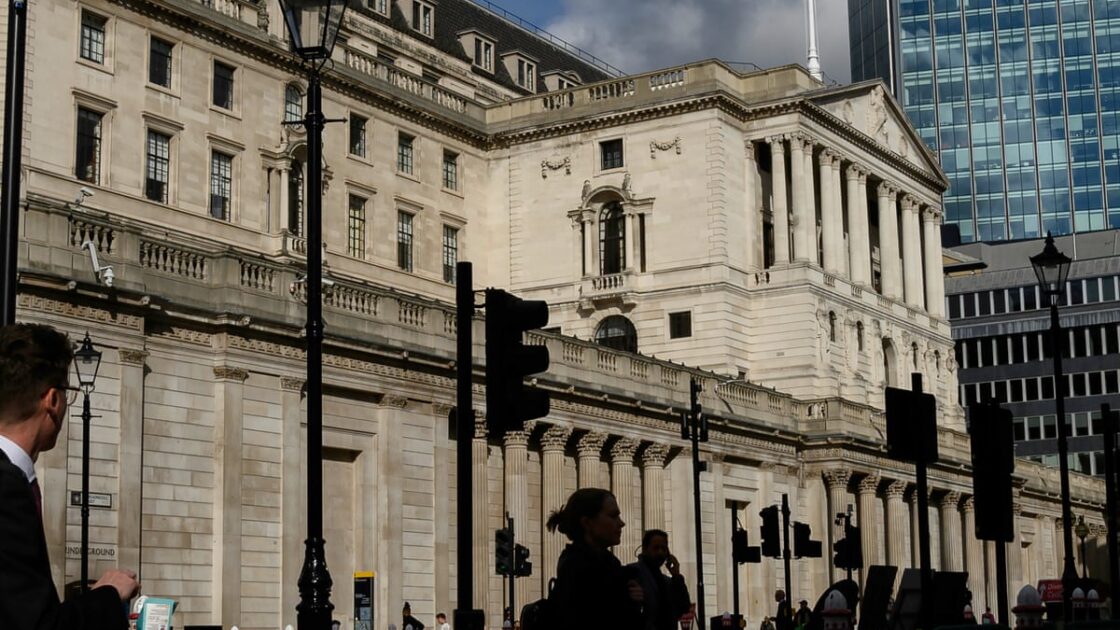
The Bank of England is likely to raise interest rates again in the coming months as part of its ongoing strategy to contain rising inflation. Speaking after the central bank recently increased its key interest rate from 3.75% to 4%, chief economist Huw Pill indicated that further action will be required to bring inflation back to target levels.
Inflation Risks and Policy Outlook
In an interview with the Financial Times, Pill stated that while the latest rate increase was a significant step toward improving monetary policy, “we have further to go.” He expressed expectations that upcoming economic data would support additional rate hikes, emphasizing that the central bank will “do what is necessary to get inflation back to 2% through time.”
Pill pointed out that the UK economy demonstrated strength over the past year, growing by 0.7% in the third quarter—an annual growth rate second only to the United States among G7 nations. However, with inflation projected to reach 5% next spring due to high energy prices linked to the conflict involving Iran, Israel, and the United States, Pill warned that workers may seek substantial wage increases, which could prolong high inflation.
Addressing the timing of previous interventions, Pill remarked, “My bias, for what it’s worth, is that I worry about the inflationary impact being magnified by second-round effects,” adding that “in my view, we waited too long.” He also noted that he considers an early resolution to the Middle East conflict or a decline in energy costs to be a very low probability.
Market Expectations and Economic Impact
Financial markets currently project UK benchmark rates to rise to nearly 5% by 2027. Pill described these expectations as “not outrageous,” hinting that the central bank’s “ability to be modest [in the scale of rate rises] has diminished.” Analysts interpret his remarks as a clear signal that another quarter-point rate increase next month is likely.
The expected rate hikes signal higher mortgage refinancing costs for approximately 2.3 million homeowners next year. At the same time, analysts have raised concerns that borrowing costs could further weaken the manufacturing and construction sectors, the latter of which has contracted for most of the year.
British households are also expected to scale back spending early next year as energy price caps rise to nearly £2,000 for a typical home and council tax bills increase by an average of almost 5%.