Table of Contents
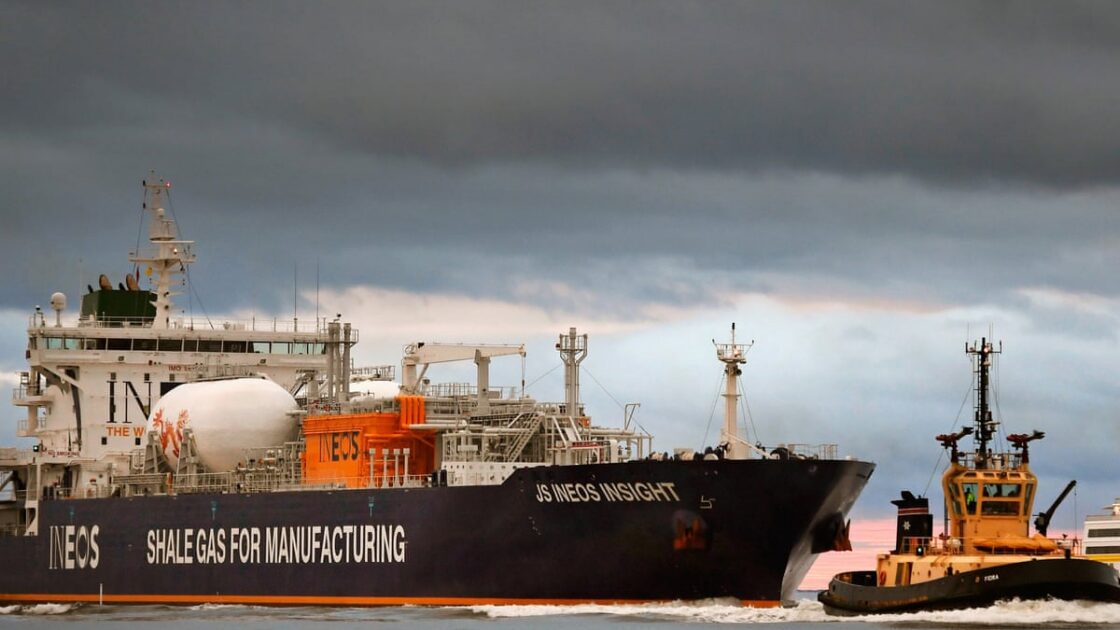
British petrochemical giant Ineos is leading the expansion of US fracked ethane trade to supply European plastic manufacturing, according to new analysis. The company, owned by billionaire Sir Jim Ratcliffe, transports thousands of kilotonnes of ethane across the Atlantic, drawing criticism from campaigners over health impacts in the US and environmental concerns in Europe.
The US Shale Impact and Ineos’s Supply Chain
Fracking involves injecting pressurised, chemical-laden liquid into underground rock layers to extract oil and gas. Ethane is a co-product of this process and serves as the primary building block for ethylene, which is used to make plastics. Washington County in Pennsylvania sits atop the Marcellus shale and features thousands of gas wells. Local residents report severe health issues, with campaigner Lois Bower-Bjornson blaming nearby fracking for her children’s illnesses, including skin rashes and severe nosebleeds.
Research indicates that children living near fracking wells face a significantly higher risk of developing rare cancers such as lymphoma, though direct links to individual cases remain difficult to prove. In 2020, a US grand jury criticised the government for failing to protect Pennsylvania residents from fracking harms. Ineos stated that it does not own or operate any wells in Pennsylvania and sources its ethane from numerous independent producers.
Data from the Center for International Environmental Law (CIEL) shows that Ineos is responsible for at least two-thirds of all ethane exports from the US. Since completing a fleet of eight specialized vessels in 2016 to transport the gas to Europe, the volume of ethane shipped by or for Ineos has grown roughly 7.3-fold, reaching 3,130 kilotonnes in 2025. Steven Feit of CIEL stated that the company operates a growing and polluting ethane trade.
Controversial European Projects and Legal Battles
While fracking is largely banned in European nations due to environmental and seismic concerns, importing fracked gas remains legal. Ineos operates major petrochemical facilities receiving these shipments in Rafnes, Norway, and Grangemouth, Scotland. A controversial new development in Antwerp, Belgium, known as Project One, intends to use US fracked ethane to build what would be Europe’s largest plastic factory.
Ineos defended the project, stating that Project One will require about two million tonnes of ethane annually, representing only 3% of US production, and argued that natural gas production does not depend on its purchases. Environmental law firm ClientEarth and 14 other NGOs are pursuing legal action against Ineos over Project One. They argue that the company’s environmental impact assessments fail to account for upstream emissions generated during gas extraction in Pennsylvania, known as scope 3 emissions.
The legal dispute regarding scope 3 emissions was recently escalated to the EU’s highest court to determine if Ineos must quantify its full climate impact. Gautier Rolland of ClientEarth accused Ineos of presenting an inaccurate picture of climate damage. Ineos responded that the environmental assessment for Project One has been updated and subjected to extensive regulatory scrutiny, and the firm remains committed to defending the project.
Government Backing and Industry Defense
Project One has received significant financial support from the UK government through a €700m bank guarantee issued by UK Export Finance. A spokesperson for the department stated that the guarantee creates export opportunities for British businesses and supports domestic jobs while aligning with net-zero commitments. However, critics argue this backing contradicts the UK’s policy of ending overseas fossil fuel financing.
CIEL called on policymakers to mandate independent lifecycle emissions reporting for imported petrochemical raw materials. Ineos emphasized that its investments in ships and infrastructure protect thousands of skilled manufacturing jobs and supply essential materials for medical equipment, pharmaceuticals, clean water pipes, and renewable energy. An Ineos spokesperson added that closing European chemical plants would not halt global demand for essential chemicals, but would merely relocate factories and jobs abroad.
Bower-Bjornson, who travelled to Antwerp to share her concerns with local politicians, concluded that communities in Pennsylvania bear the health and environmental costs of the industry without receiving any benefits.