Table of Contents
Bristol could become the first wetland city in the UK through a new initiative designed to establish extensive wildlife corridors, lower flood risks, and expand public access to natural spaces. The Wildfowl & Wetlands Trust (WWT) is leading the five-year project, which encompasses more than 200 distinct schemes to restore and build urban wetlands.
Restoring Urban Waterways and Wildlife
The ambitious plan features a wide range of interventions, from small residential rainwater ponds and street-level rain gardens to river habitat restoration, reconnecting rivers to floodplains, and constructing new wetlands. The charity initiated the program in September by deploying floating wetlands—buoyant modules planted with wetland vegetation—at three locations within the city-centre harbour to attract insects, birds, and other animals.
Peter Lee, the programs lead at WWT, stated that wildlife appeared almost immediately upon installation. Louise Kennedy, project manager in Bristol, noted that 40% of global species depend on wetlands, which she described as being in freefall due to past losses. She explained that restoring wetlands in urban areas enhances biodiversity and brings nature closer to populations lacking access to rural reserves.
Flood Mitigation and Water Management
Lee explained that wetlands manage water more effectively than concrete surfaces by absorbing and storing moisture, thereby preventing floods during heavy downpours. He emphasized a shift in urban water management away from rapid drainage toward retaining water where it falls, transforming rainwater from roofs into a usable resource rather than routing it into overflowing sewers.
The initiative aims to secure wetland city accreditation via the Ramsar convention, an international treaty recognizing urban wetland conservation. While 74 cities across 27 countries currently hold the designation, most prior bids were led by governments or mayors, whereas the Bristol project receives £8.9m in funding over five years from the insurer Aviva.
Economic Case and Future Expansion
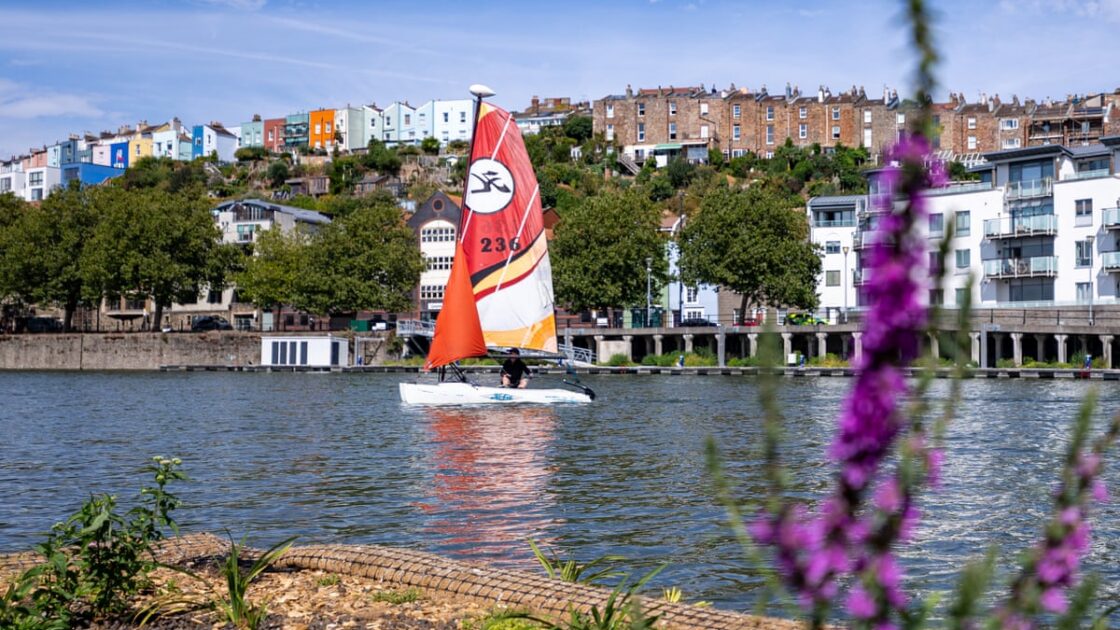
Lee stated that Bristol was chosen because of its maritime heritage and 100 miles of waterways, noting that the project aims to establish an economic model for wetlands through commercial returns like higher mooring fees and increased city-centre footfall. He expressed hope that the city will serve as a blueprint for other urban areas across the UK, using the initial funding to spark a much larger program.
Tony Dyer, the leader of Bristol city council, stated that the program demonstrates how the city can collaborate with nature to address major challenges. He added that creating and restoring wetlands will mitigate flood risks, support wildlife, enhance community health and wellbeing, and foster resilience against a changing climate.