Table of Contents
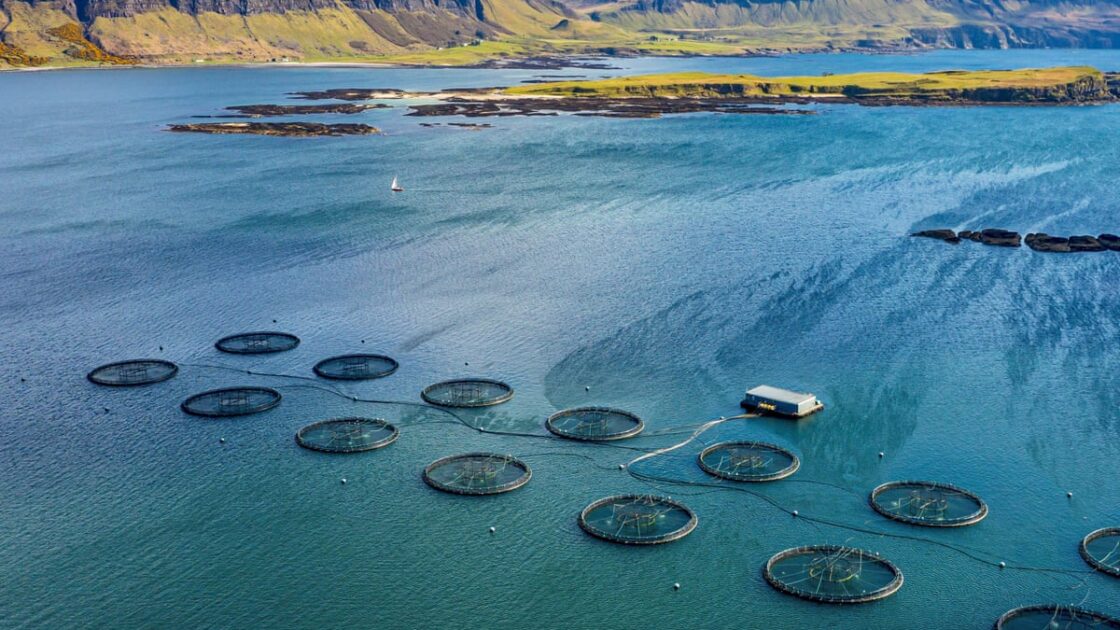
The Soil Association has withdrawn its organic certification from British farmed salmon following a two-year review that concluded environmental and welfare outcomes failed to meet its standards. The accreditation body stated there was insufficient evidence that fish farming practices would improve quickly enough.
Growth of the Salmon Industry
Commercial salmon farming in Britain began in 1971 off the west coast of Scotland near Fort William, initiated by Unilever as a way to lower costs and create a mass market for what was previously a wild luxury. Today, the British farmed salmon industry generates £1 billion annually, producing approximately 205,000 tonnes of fish per year and employing 2,500 people in Scotland.
While the industry has become a commercial success—making salmon the most popular fish among British families, who consume 65,000 tonnes yearly—wild Atlantic salmon numbers off British shores have declined by over 70% since the farming sector was introduced.
Welfare and Environmental Concerns
The Soil Association’s decision to end its 20-year certification follows pressure from campaigners who argued the label amounted to greenwashing. Helen Browning, CEO of the Soil Association, stated that the organization initially envisioned an aquaculture system that could deliver organic principles in the sea with minimal negative impact, but progress has been negligible.
Campaign groups like WildFish and naturalist Chris Packham have criticized the industry for high stocking densities, severe sea lice infestations, chemical treatments such as formaldehyde, high mortality rates, and pollution affecting coastal waters and wild salmon populations. In 2023, an unprecedented 17.4 million salmon died on farms before harvesting. Nick Measham, CEO of WildFish, described the withdrawal as a start in exposing a sustainability and welfare disaster.
WildFish has spent two years attempting to force the Soil Association to publish its inspection reports under environmental information laws. A Soil Association Certification spokesperson explained that the organization is continuing an appeal against a first-tier tribunal requirement to release the reports, noting that the decision is currently suspended while maintaining a commitment to appropriate data handling.
Industry Response and Future Outlook
The salmon industry is currently dominated by four companies: Mowi, Bakkafrost, Scottish Sea Farms, and Cooke Aquaculture Scotland. The sector retains strong backing from British and Scottish government figures aiming to boost the economy, with Prime Minister Andy Burnham recently highlighting Scottish salmon as a major food export, and the government previously permitting the removal of the word “farmed” from product labelling.
A spokesperson for Salmon Scotland stated that the Soil Association’s move does not result in a loss of government organic certification, noting assurances from the UK government that farms will continue to be assessed against organic standards. The spokesperson added that Scottish salmon farmers operate within a highly regulated sector subject to over 1,600 audits and inspections annually, with continued investment in fish health and technology maintaining high survival rates and low sea lice levels.
Meanwhile, some large European salmon farms are increasingly utilizing ground-up poultry byproducts as a cheaper feed alternative to wild fish to reduce marine resource reliance. Tom Appleby of Blue Marine noted that the Soil Association’s decision strikes at the core of the salmon farming business model, emphasizing the intrinsic health and mortality challenges of farming a complex, migratory carnivorous species.