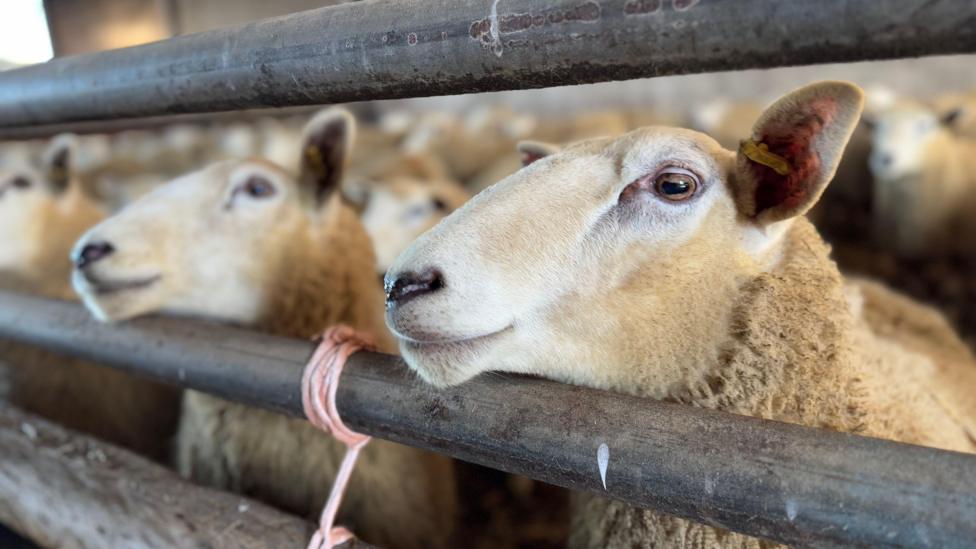
The first case of Bluetongue in Northern Ireland this season has been identified at a farm located in Kilkeel, County Down. Department of Agriculture, Environment and Rural Affairs (Daera) officials reported that three sheep tested positive for the virus.
Disease Control and Health Risk
Authorities stated that no extra movement restrictions or disease control zones will be implemented, as the virus has remained present in Northern Ireland since November 2025. Officials confirmed that the condition poses no danger to public health or food safety, noting that both meat and milk remain safe for human consumption.
Agriculture Minister Andrew Muir described the finding as disappointing but expected, pointing to the ongoing spread of the illness across Great Britain and Ireland. Chief Veterinary Officer Brian Dooher called on regional farmers to maintain high alertness for any potential signs of illness in their farm animals.
Broader Spread and Prevention
The detection in Kilkeel follows a surge of more than 100 cases recorded across the Republic of Ireland over recent months. Meanwhile, infections in England have risen to 2,950 confirmed cases, alongside 512 in Wales and 57 in Scotland. Experts note that a mild winter likely allowed a higher number of biting midges, which transmit the disease, to survive and become infectious.
Muir emphasized that awareness is crucial, advising farmers to maintain strict biosecurity practices and immediately report any suspected infections to Daera. Dooher noted that active surveillance continues at slaughterhouses, accompanied by post-import testing for susceptible livestock arriving from mainland European Union nations, while also highlighting the necessity of responsible animal sourcing and vaccination.
The virus initially appeared in Northern Ireland near Bangor in County Down during November 2025, subsequently impacting several other herds along the eastern coast. The condition primarily affects ruminant animals, including cattle, sheep, goats, and deer.