Table of Contents
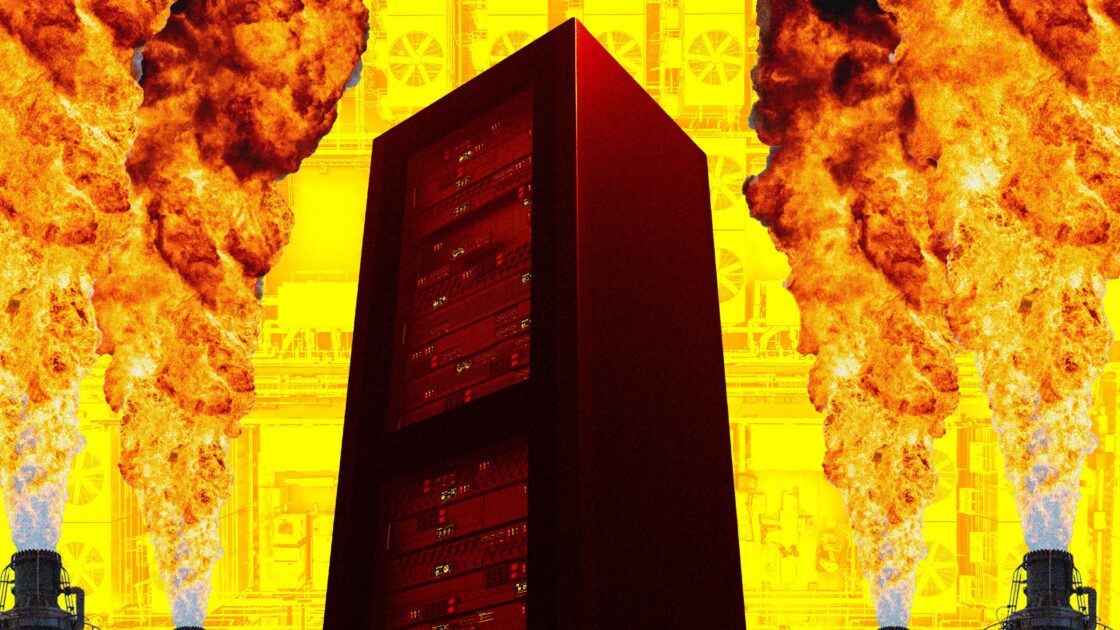
The rapid expansion of artificial intelligence data centers is driving a massive surge in natural gas consumption across the United States. As tech companies increasingly build their own onsite power plants to bypass lengthy grid connection delays, artificial intelligence firm Anthropic has identified this gas reliance as a primary near-term business risk in its recent initial public offering filing.
The Expanding Demand for Natural Gas
Energy analyst firm Cleanview estimates that behind-the-meter gas projects under development reached 110 gigawatts by October 2026, marking a dramatic increase from just 20 gigawatts in July 2025. This growing domestic demand compounds an already tight natural gas market driven by rising exports, which are projected to double over the coming decade due to geopolitical tensions and federal backing.
BloombergNEF projects that grid-connected data centers alone could demand an additional 15 billion cubic feet of natural gas per day by 2035, representing a 15 percent overall increase in demand. An additional conservative estimate of onsite gas capacity in development would contribute another 3 billion cubic feet per day.
Anthropic Shifts Toward Direct Infrastructure Development
Anthropic traditionally leased computing power from major cloud providers, including Amazon, Google, Microsoft, and SpaceX, with the latter agreement involving server space at Memphis data centers that face legal challenges over unpermitted gas turbines. However, the company has recently shifted toward directly leasing and developing its own data centers to reduce reliance on major technology competitors.
The company highlighted its $50 billion partnership with Fluidstack to handle data center development and operations, alongside planned facilities in Texas and New York. This strategy has linked Anthropic to major onsite gas developments spanning states like Louisiana, Texas, and West Virginia, with the latter potentially housing one of the country’s largest gas plants.
Regional Pressures and Price Volatility
This geographic spread exposes Anthropic to regional supply shocks, particularly in the Southeast, where data center projects must compete directly with liquefied natural gas export terminals. Enrique Gonzalez, BloombergNEF’s head of gas research for the Americas, noted to WIRED that rising gas expenses are expected in hubs like Louisiana and Texas.
Texas has emerged as the primary center for behind-the-meter data center projects, intensifying local competition for limited gas resources. Anthropic stated in its regulatory filing that heightened competition for fuel supplies and pipeline capacity could elevate costs and hinder the firm’s ability to secure reliable fuel contracts.
While Gonzalez suggests that natural gas producers may avoid the extreme price spikes seen during the 2022 energy crisis, rising hub prices could still impact residential utility consumers. Despite these volatility risks, Anthropic dismissed renewable energy alternatives in its filing, noting that solar, wind, battery storage, nuclear, and geothermal sources may not be accessible in sufficient quantities, within required timeframes, or at competitive costs.