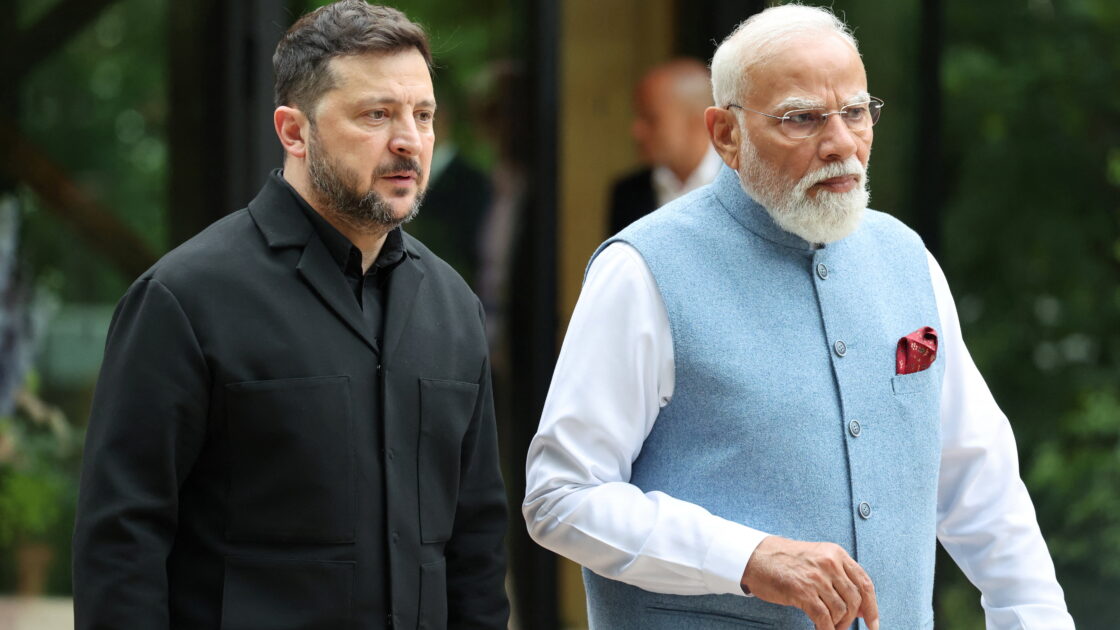
Ukrainian President Volodymyr Zelenskyy announced that India is prepared to help broker food corridors through the Black Sea following a telephone conversation with Indian Prime Minister Narendra Modi. The development comes as Russian and Ukrainian delegations return to negotiations in Abu Dhabi after a nine-month pause, mediated by the United States.
What India Is Offering and Why
Although New Delhi has not released a formal plan, the diplomatic push builds on proposals floated by Indian officials in recent weeks. During a visit to Kyiv in September, Indian External Affairs Minister Subrahmanyam Jaishankar reportedly raised the possibility of pausing strikes on Black Sea shipping and energy infrastructure. Ukrainian Foreign Minister Andrii Sybiha described India’s proposal as the broadest among several current initiatives because it addresses both maritime routes and energy facilities. The conflict has severely impacted India, which relies heavily on sunflower oil imports from both nations and lost five citizens in commercial vessel attacks in the Black Sea.
According to International Crisis Group senior analyst Praveen Donthi, India has become quietly proactive after previously remaining reticent regarding mediation. Experts note that brokering a deal could help India gain geopolitical credibility and counter criticism from the United States over its continued purchases of Russian oil.
Challenges and Competing Proposals
Despite its aspirations, India faces significant hurdles. New Delhi has not publicly confirmed the mediation offer, with Modi only stating a commitment to a peaceful resolution. Furthermore, Ukraine has expressed doubts regarding India’s neutrality over its economic ties to Moscow, while Russia has historically rejected partial ceasefires in favor of comprehensive agreements. India also lacks the direct geographic foothold that Turkiye held during the 2022 United Nations-brokered grain deal, meaning any new corridor would require external support for shipping, insurance, and inspections.
The diplomatic landscape is further crowded by competing proposals from Turkiye, Egypt, and the United States, with the Kremlin maintaining that the current Abu Dhabi discussions involve Washington as the sole mediator.
Delegations from Moscow and Kyiv are holding meetings in Abu Dhabi on Tuesday and Wednesday, though analysts caution that negotiations remain deadlocked over territorial disputes and conflicting strategic aims.