Table of Contents
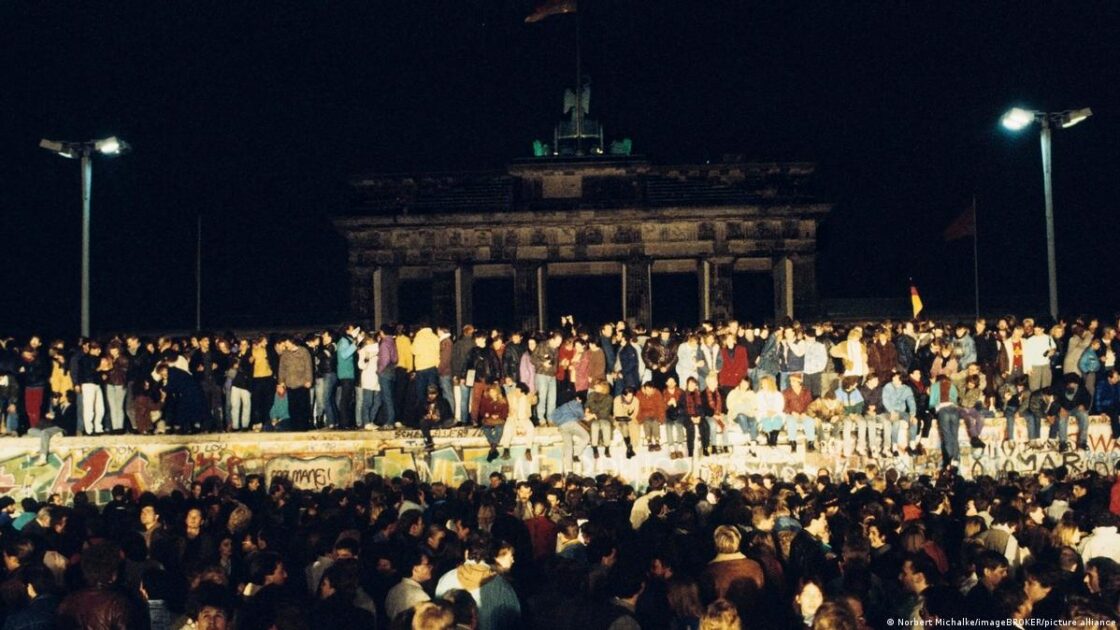
More than three decades after the Berlin Wall fell on November 9, 1989, ending East Germany’s isolation, skepticism between citizens from the former East and West remains prevalent. Surveys indicate that only a minority of people perceive a strong sense of community across the former border, with many continuing to notice significant differences.
Perspectives from the Former East
Author Lea Streisand, born in 1979 in East Berlin, experienced the historic event at age 10. As reported by Deutsche Welle: DW.com, she received 100 Deutsche Marks from the West German state as a welcome gift, which her mother used to buy winter boots that left the young girl wanting to cry from disappointment. However, a family friend later allowed her to buy enough sweets to last until Christmas.
Streisand recalled that the disappointment intensified over the following year as an entire system was quickly dismantled and replaced, noting that the rapid transition felt overwhelming for the population. While East Germans initiated the fall of the wall through civil rights movements and demonstrations, many originally sought to reform the state rather than dissolve it immediately.
Comic artist Anke Feuchtenberger, born in 1963 in East Berlin, participated in efforts by artists to bring change through posters and flyers to gain freedom without instantly abolishing socialism. She felt mixed feelings as the wall fell, observing that creative movements were rapidly overshadowed by consumerism and rising nationalist tendencies.
Stasi Archives and Artistic Reflection
Photographic artist Simon Menner, born in 1978 in West Germany’s Baden-Württemberg, experienced the wall’s collapse in a more abstract way as a child. Menner later uncovered a massive collection of surveillance photographs in the archives of East Germany’s Ministry for State Security, or Stasi, publishing a selection in his 2012 book “Top Secret” to highlight the nature of surveillance.
Menner attempted for a year to access West Germany’s Federal Intelligence Service archive without success. He now views his project as one-sided because it exclusively targets East Germany’s past, arguing that West Germany’s intelligence services in the 1960s also required critical examination for genuine reconciliation to occur.
To foster mutual understanding, Streisand emphasized the value of literature in offering insight into unfamiliar life experiences. Feuchtenberger’s nearly 500-page graphic novel “Comrade Cuckoo,” published in 2023, explores childhood in a fictional East German village and earned a nomination for the Leipzig Book Fair Prize.
Looking Toward the Future
The two East German artists express more optimism about the shared future than Menner from the West. Menner noted that while geographic lines in Berlin fade for him, sociopolitical challenges and the electoral success of the far-right Alternative for Germany require closer attention to citizens of all ages.
Feuchtenberger stressed the importance of looking beyond regional divisions to address global problems, noting that borders ultimately hold little meaning. Streisand believes that younger generations will lose interest in the East-West distinction entirely, as contemporary youth prioritize immediate concerns such as employment and security.