Table of Contents
After disrupting the soda market with Poppi, founders Allison and Stephen Ellsworth are targeting the hydration sector with their new brand, Jetty. The self-funded startup puts the founders directly in competition with PepsiCo, which acquired Poppi for $1.95 billion in 2025 and owns Gatorade, the dominant player in the U.S. sports drink market.
The GLP-1 Hydration Challenge
Following the sale of Poppi, Allison Ellsworth stayed on as an advisor and used her newly found free time to consult a doctor for the first time in a decade, eventually starting a GLP-1 medication and losing 60 pounds, as she told US Top News and Analysis (cnbc.com). Her husband Stephen noticed she was struggling to stay hydrated, a common side effect of GLP-1 drugs like Ozempic and Mounjaro that reduce thirst while increasing the need for fluids to mitigate symptoms like nausea and headaches.
Surveys show that about 44% of GLP-1 users consume more functional beverages because plain water is often unappealing, according to EY-Parthenon data cited by US Top News and Analysis (cnbc.com). Jetty is designed for everyday hydration needs rather than intense athletic recovery, targeting consumers who want a boost without the high electrolyte or sugar levels found in traditional sports drinks. Allison Ellsworth told US Top News and Analysis (cnbc.com) that their core audience consists of millennial moms and Gen Z consumers who do not relate to legacy brands like Gatorade and Powerade.
Market Competition and Product Strategy
Data from SPINS shows that dollar sales for hydration and electrolyte products rose 20% to $2.6 billion over the 52 weeks ending October 4, alongside a 62% repeat buyer rate. Major food and beverage companies are also entering the space, with Kraft Heinz introducing electrolyte-infused Capri Sun and Kool-Aid packets, Pepsi overhauling Gatorade to appeal to broader daily occasions, and Keurig Dr Pepper seeing strong sales growth from Electrolit.
To maximize convenience and visibility, Jetty will launch in both ready-to-drink bottles and single-use powder packets. Single-use mixes are growing rapidly due to brands like Liquid I.V. and LMNT, representing a $1 billion category on Amazon alone, as noted by Allison Ellsworth to US Top News and Analysis (cnbc.com). Meanwhile, ready-to-drink sports beverage sales have declined 9.1% from 2022 to 2026 according to Numerator data, and Coca-Cola recently wrote down part of the value of BodyArmor.
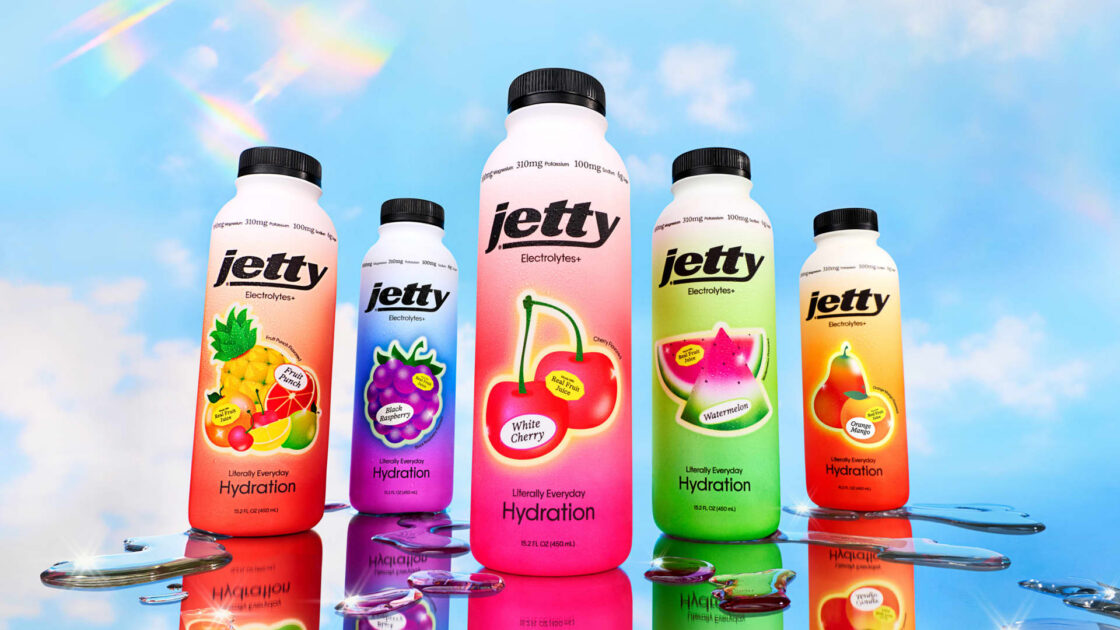
Jetty debuts with five initial flavors containing specific amounts of sodium, potassium, magnesium, B vitamins, fiber, and sugar, while avoiding artificial sweeteners and dyes. In comparison, traditional Gatorade contains higher amounts of sodium and sugar, though the brand is currently reducing sugar and artificial colors. Jetty products will be available at Whole Foods and online via Target and Amazon.
Learning from Past Mistakes
Jetty’s founders stated they have learned from past missteps, including having three different claims lawyers review the packaging to avoid issues similar to Poppi’s previous $8.9 million class-action settlement over false advertising claims. Meanwhile, regulatory filings indicate Poppi’s performance under PepsiCo has been slower than expected, with Pepsi lowering estimates for potential performance-based payments to prior owners.
Currently backed by $2.5 million in self-funding, Jetty plans to raise additional capital in 2027 by seeking strategic investors who can offer value beyond money, such as access to celebrity talent. Jetty is also already developing a lemon-lime flavor, paying homage to Gatorade’s original offering.