Climate change readiness and improving public access to rural areas form the core priorities of a new five-year strategy for a major English national landscape. Local authorities including Cumberland, Westmorland and Furness, County Durham, and Northumberland have officially adopted the North Pennines National Landscape Management Plan for the 2026-31 period.
Climate Readiness and Wildfire Prevention
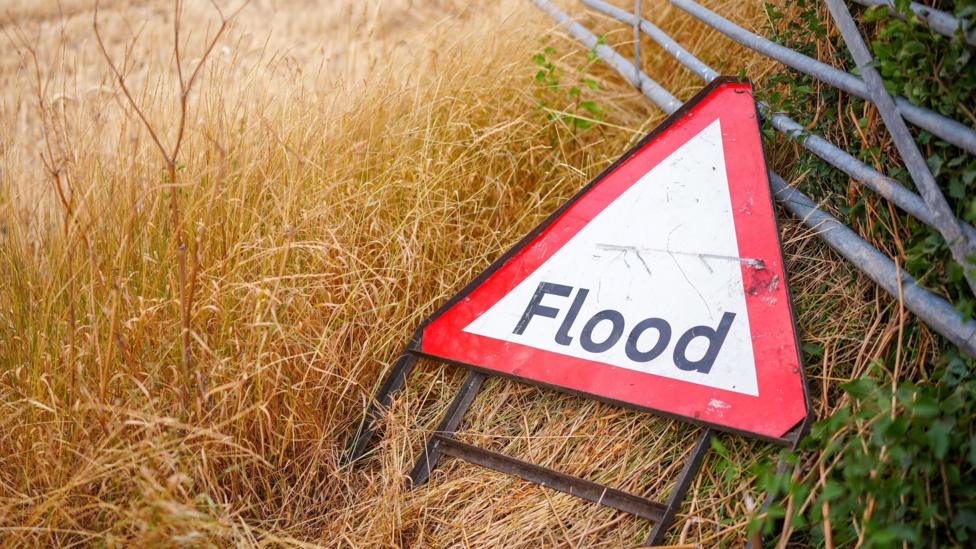
Efforts to ensure the region is prepared for future climate pressures involve restoring peatland to lower flood risks and supplying farmers with specialized wildfire-fighting tools, such as drones. Chris Woodley-Stewart, director of the North Pennines National Landscape (NPNL), described the strategy as both the organization’s most ambitious and most realistic plan to date.
Formerly designated as areas of outstanding natural beauty, national landscapes in the North Pennines encompass heather moors, dales, woodlands, and High Force, one of England’s highest waterfalls. Funding for NPNL primarily comes from government sources and charitable organizations.
The management plan outlines adaptation strategies for warmer, wetter winters alongside hotter, drier summers. NPNL noted that upland regions face high vulnerability to climate shifts due to rising temperatures, shifting rainfall patterns, and more frequent extreme weather.
Mitigation actions, including safeguarding current woodlands and restoring carbon-rich peat soils, aim to protect upland ecosystems while aiding downstream communities through enhanced water quality and reduced flood risks.
Partnerships and Rural Access
Raby Estates, one of the major land managers in the area, collaborates with NPNL on wildfire prevention by managing fuel loads on farms and supplying firefighting gear. Duncan Peake, chief executive at Raby Estates, noted that drone technology provides a crucial new resource for controlling wildfires.
The management plan also includes initiatives to collaborate with farmers interested in acquiring the skills and equipment necessary to host farm visits. Peake mentioned that farmers on their estate already guide groups of young people who lack regular access to rural areas, helping them learn about agricultural practices.
Woodley-Stewart emphasized that the five-year policy framework acts as a guide for local authorities rather than a mandatory mandate. He stated that the implementation relies entirely on cooperation rather than strict enforcement, noting that everyone shares a role in its success.