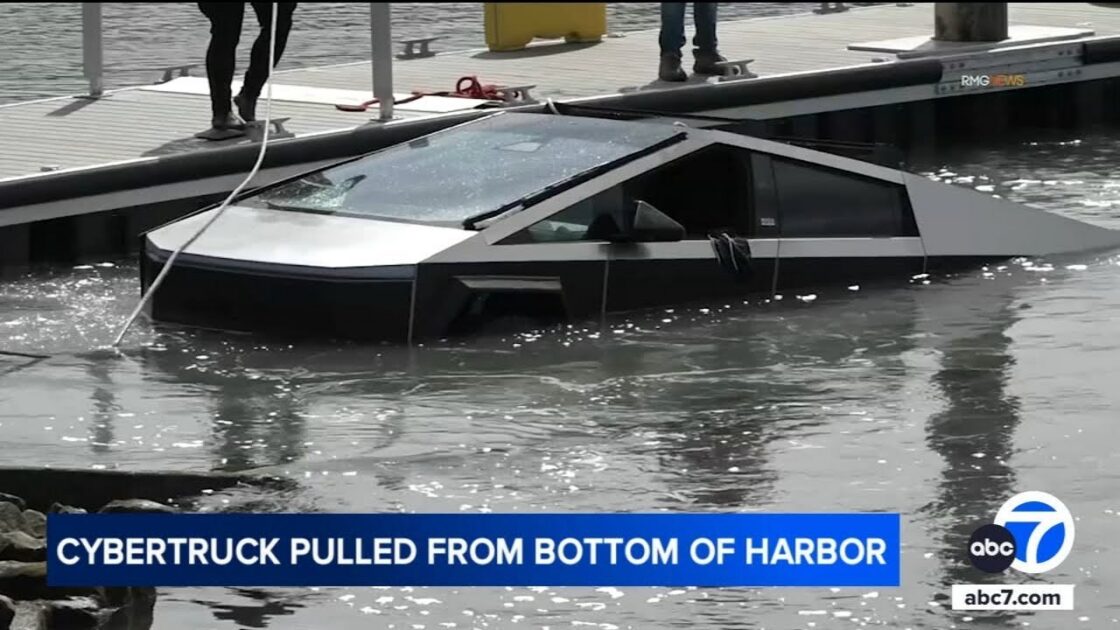
Tesla plans to wind down production of the Cybertruck next year to make room for the Cybercab. Elon Musk announced the decision on social media, marking an unceremonious end for a vehicle once championed as the pinnacle of the company’s engineering.
Failing Sales and Political Backlash
When it launched, Tesla targeted production and demand of 250,000 units per year, but the company has only sold a total of 70,000 units to date. SpaceX, another company led by Musk, ultimately became one of the largest single purchasers of Cybertrucks to absorb unsold inventory. The timing of the vehicle’s phase-out followed a massive political expenditure by Musk, who poured over $445 million into Republican races, including more than $200 million in Texas. Despite the spending, Democratic candidates won key races in the state, signaling a rejection of Musk’s political involvement.
The Cybertruck struggled with numerous issues, including high prices, lower-than-promised range and towing power, and frequent recalls, alongside its polarizing design. Furthermore, as Musk tied himself to Donald Trump’s brand and political campaigns, the vehicle became closely associated with that political identity. Unlike owners of other Tesla models who could claim they purchased their vehicles before Musk’s political shift, Cybertruck owners could make no such separation, turning the vehicle into a rolling liability for many.
A Symbol of a Shifted Landscape
While some buyers embraced the truck as a statement within conservative culture—often adding Trump wraps and flags—the political momentum eventually shifted. The recent election results demonstrated a widespread rejection of right-wing grievance politics, stripping away the inevitability that once surrounded Musk and his projects. The Cybertruck now transitions from a vehicle designed to look like the future into an immediate symbol of the past.