Table of Contents
More than three months after a devastating fire engulfed 25 square kilometres of moorland and forest in the Cairngorms, the affected landscape is beginning to show precious small signs of recovery. Amanda Thomson reported witnessing the shocking scale and depth of the damage, with vast stretches of moorland pines left dark as charcoal and bearing unnaturally singed needles extending deep into the forest.
Tree Planting and Landscape Restoration
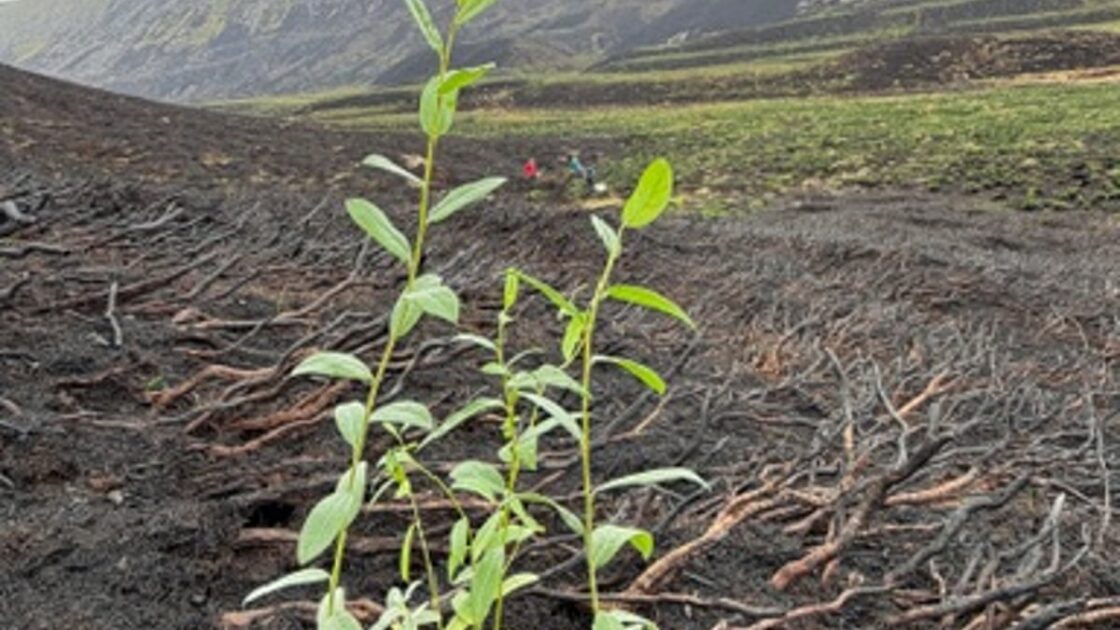
A group recently traveled up one of the affected glens to plant more than 3,000 trees, including cell-grown goat and creeping willow, downy birch, and alder. These montane species, which often appear in miniature varieties, previously thrived in the habitat before suffering devastation from overgrazing. The seeds used for this planting effort were gathered from nearby remnant populations and cultivated at the Cairngorms Connect Tree Nursery as part of an ongoing landscape restoration initiative.
Sharp Contrasts and New Growth
The boundary between burnt and untouched areas often appeared extraordinary, with bog asphodel and scabious blooming while a black grouse lek continued undisturbed. Walkers could easily cross scorched ground in areas where thick heather moor normally makes passage difficult. Amid this blackened undergrowth, new growth has already begun to emerge, featuring clumps of deer-grass, tiny bright green bracken and fern fronds, and fresh birch shoots.
Deep Forest Damage and Natural Renewal
The forest sustained the heaviest damage, as the fire slowed and burned deep into the roots and peat. Workers continued to tackle hotspots and smoldering areas more than a month after the blaze, and certain zones remain off limits due to the hazard of falling trees. Despite the severe devastation, pyrophilous fungi—organisms that love fire—are appearing in the charcoal, helping to establish the necessary conditions for future growth.
A recent walk to An Lochan Uaine, the green lochan, along a path widened to serve as a firebreak, highlighted how close the flames came to jumping the tracks toward Meall a’ Bhuachaille and the Ryvoan bothy. As autumn storms caused birches and larches to shed their leaves, the charcoaled ground remained dotted with blaeberry shoots, signaling renewal alongside the seasonal decline.