Table of Contents
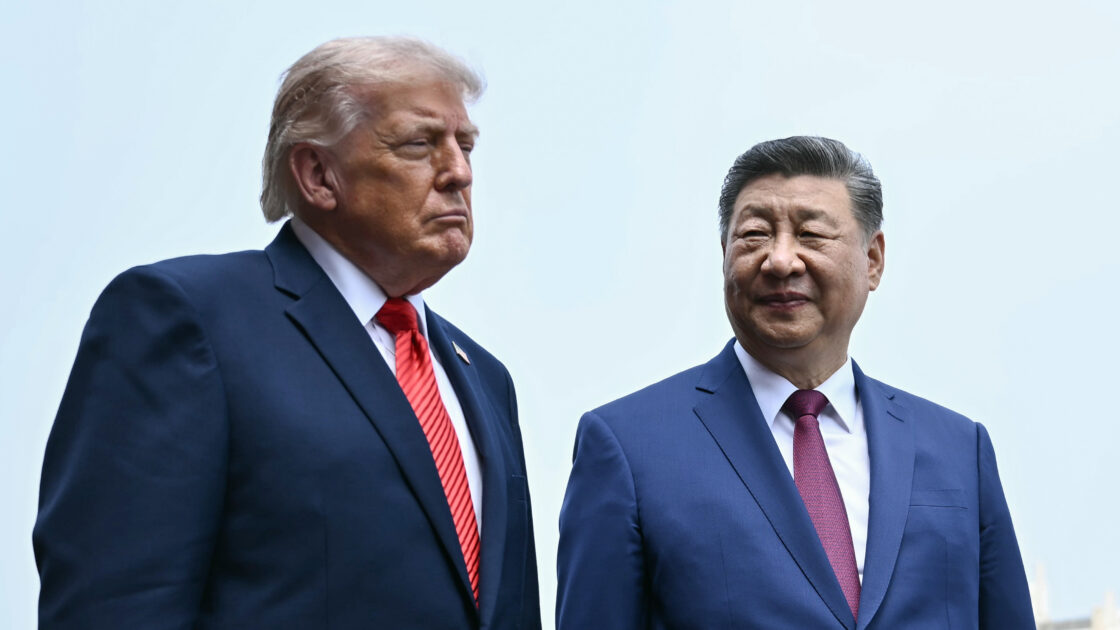
An unprecedented three-way meeting between United States President Donald Trump, Chinese President Xi Jinping, and Russian President Vladimir Putin could occur on the sidelines of the Asia-Pacific Economic Cooperation (APEC) summit in Shenzhen, China. Chinese Foreign Ministry spokesperson Mao Ning stated that China is communicating with relevant parties regarding a gathering of the three heads of state.
Coordinating the Summit
Kremlin spokesman Dmitry Peskov mentioned that work is under way to coordinate such a meeting, expressing hope that it will be finalized soon. Trump previously stated that he is open to three-way talks centered on nuclear weapons, noting that if President Xi wants to have it, he would do so. Although the three leaders have met separately in the past, they have never held formal talks together.
What Russia Hopes to Gain
For Russia, the potential meeting offers a major photo opportunity and a chance to project significant influence. Moscow-based journalist and political analyst Alexander Bratersky told Al Jazeera that Russian parliamentarian Pyotr Tolstoy described the meeting as a path toward a new Yalta, referencing the 1945 conference that shaped post-war Europe. Bratersky explained that simply attending the table would position Putin as first among equals, allowing him to show domestic audiences that Russia helps decide European security architecture. Bratersky added that Trump currently holds less leverage following midterm elections where Democrats gained control of both chambers of Congress, and whether the meeting yields concrete results should become clear within a month.
Trump’s Objectives
For Trump, the meeting is about optics and leverage. Inderjeet Parmar, a professor of international politics at City St George’s, University of London, told Al Jazeera that Trump desires a high-drama encounter to present himself as an indispensable deal-maker. Parmar noted that after the midterms, the domestic political need for a foreign policy win is real, and images of Trump sitting with Xi and Putin help appeal to his MAGA base even if the substance remains largely symbolic.
China’s Stance on Ukraine and Nuclear Arms
China, however, does not want a summit focused on Ukraine. German President Frank-Walter Steinmeier stated that when he raised Ukraine during an October 30 meeting in Beijing, Xi showed surprise and pointed out that the Russia-Ukraine war is a European conflict where Europeans must sit at the table, as reported by DPA. Additionally, Beijing previously rejected Trump’s push for nuclear talks, stating that it would be neither fair nor realistic for China to join trilateral nuclear disarmament negotiations at this stage.
Impact on Global Allies
Parmar explained that a three-way meeting would mark a clear break from the post-1945 pattern of Washington coordinating closely with European and Asian allies before engaging Moscow or Beijing. He warned that treating allies as secondary players risks a shift toward personalized great-power diplomacy, though the Trump administration still hopes to drive a wedge between Russia and China. While fears of a formal G3 are overstated due to sharply diverging interests on Taiwan, technology, and the global economy, Parmar cautioned that the real risk lies in the normalization of deals struck with little consultation of those most affected.
The potential summit is pencilled in for November 18-19 in Shenzhen, with the possibility of a subsequent meeting during the Group of 20 (G20) summit in Miami in December.