Table of Contents
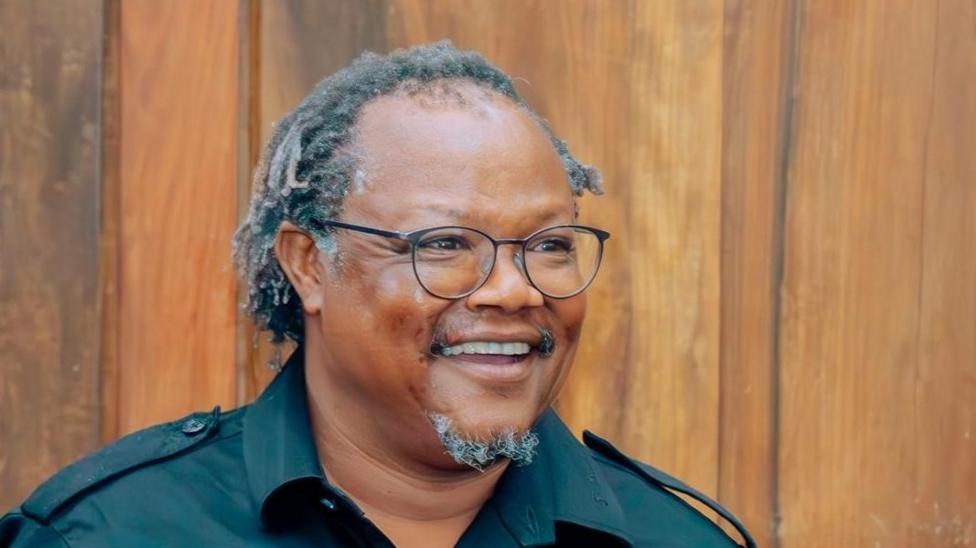
Tanzania’s main opposition leader, Tundu Lissu, has been found guilty of inciting unrest and sentenced to four years in prison, in a case that has raised concerns about political freedom in the East African country. A panel of three judges at the High Court in Dar es Salaam acquitted him of the more serious offence of treason, stating that prosecutors failed to prove a key element of that charge.
Trial and Conviction Details
The judges stated that the 58-year-old opposition figure, who has remained detained since April of last year, encouraged his supporters to disrupt the disputed 2025 general election. Lissu, who leads the opposition Chadema party, denied the charges and characterized the prosecution as politically motivated.
The court ruled that his campaign slogan “No Reforms, No Election” provided sufficient grounds for an incitement conviction. The judges stated that by uttering those words to disseminate them to the public, the accused incited citizens to disrupt the 2025 elections.
Representing himself during the trial, Lissu told the court that he had only faced treason charges initially and that the incitement charge was manufactured by the judges on political directives. He has permission to appeal at the Court of Appeal, which is the country’s highest court. If the four-year sentence stands, it will prevent him from participating in the next elections scheduled for 2030.
Human rights organization Amnesty International condemned the verdict through its regional director for East and Southern Africa, Tigere Chagutah, who described the conviction as a travasty of justice and stated that Lissu should never have faced arrest, prosecution, or conviction.
Background and Political Tensions
President Samia Suluhu Hassan secured victory in the October 2025 election with 98% of the vote. The opposition dismissed the outcome as a mockery of democracy because her two main challengers, including Lissu, were excluded from the ballot. The government has consistently denied targeting its political opponents.
The Chadema leader was arrested six months before the election shortly after launching a campaign for electoral system changes under the “No Reforms, No Election” banner. Prosecutors argued that his remarks, which were circulated online, amounted to treason and were intended to incite the public and threaten the government. Lissu maintained that his comments formed part of a legitimate political campaign for constitutional and electoral reform, arguing that prosecutors took his statements out of context.
Chadema’s demands included independent appointment of electoral commissioners, police permission for all parties to campaign free from intimidation, removal of government-appointed district chiefs as returning officers, allowance for party agents to observe vote counting without harassment, and the right to challenge presidential election results in court.
During his remand custody at Dar es Salaam’s Ukonga Prison, Lissu conducted two brief hunger strikes after reporting he was denied access to lawyers and relatives, and complained that guards listened to private legal consultations. Prison authorities denied these allegations.
International Attention and Unrest
The case has drawn international attention regarding the treatment of opposition politicians and the diminishing space for political dissent in Tanzania. The election was followed by widespread protests and a violent security crackdown that resulted in at least 500 deaths, according to an official inquiry, while opposition groups claimed the death toll was much higher and demanded an independent investigation.
The government defended its handling of the unrest and rejected claims of widespread political repression. President Samia, 66, maintained the election was fair and transparent, blamed foreigners for orchestrating the unrest in a plot to overthrow her, and established another commission of inquiry to identify those responsible for the violence.
Lissu has long served as a prominent critic of the ruling Chama Cha Mapinduzi (CCM) party, which has dominated Tanzanian politics since independence. He became an MP in 2010 representing a constituency near his birthplace in Singida. In September 2017, he survived an assassination attempt when gunmen fired on his vehicle outside his home in Dodoma, forcing him to spend years in exile following extensive medical treatment abroad. He returned to contest the 2020 election against the late President John Magufuli, went back into exile, and returned again in 2023 after President Samia lifted a ban on opposition rallies.
Lissu became Chadema’s national chairman in January 2025 and intensified his demands for electoral reforms. His conviction is expected to heighten concerns regarding the state of democracy in Tanzania following Amnesty International’s recent accusations that the government continues its crackdown and weaponizes counterterrorism laws to silence critics.