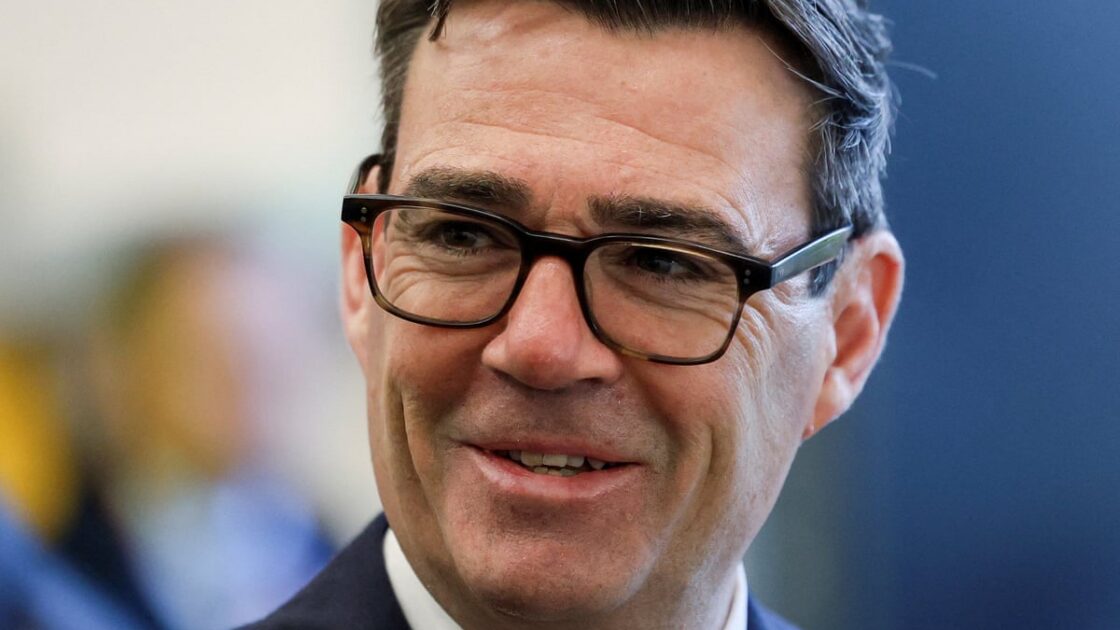
Prime Minister Andy Burnham stated that the government is aiming for significant changes in how young people are supported. He indicated that this shift could involve stricter benefit rules alongside enhanced assistance for employment and mental health.
A Root and Branch Review of Childhood
Speaking in media interviews ahead of the release of the second report by former minister Alan Milburn, Burnham outlined his mission to rethink childhood from the early years onward. The upcoming report focuses on reducing the number of young people who are not in employment, education, or training.
Milburn’s review, scheduled for publication this month, is set to demand ambitious initiatives to help individuals secure jobs and training, alongside recommendations to restrict benefits for those who refuse to engage. The initial phase of the review, released in May, revealed that approximately one million young people—about one in eight—are not working or studying, attributing the crisis to structural factors, inequality, modern labor market conditions, and mental health struggles.
Describing the issue as a matter of immense societal importance, Burnham told Times Radio that leaving individuals in their twenties without hope is dangerous. He noted that support systems have failed to keep pace with the realities of a changing world.
Burnham emphasized that the report transcends a narrow focus on welfare, stating it requires a comprehensive evaluation of childhood and support systems.
Addressing Welfare and Early Education
When questioned about potential benefit cuts, Burnham stated he is willing to make difficult decisions because having over a million young people in their twenties on benefits is unacceptable and detrimental to everyone involved. He compared the prospective approach to plans involving pension guarantees and adult social care reform, stressing that the reevaluation must start early.
According to Burnham, a large number of children arrive at school unprepared to learn, a disadvantage that persists throughout their education. Addressing this early gap forms a core component of rethinking childhood across every aspect.
In a separate interview with the BBC, Burnham noted that spending on youth support must increase initially, requiring some funds to be reprioritized before overall welfare expenditures eventually decline. When asked if the reduction in the benefits bill could occur during the current parliament, he replied that the transition will be handled sustainably and as quickly as possible.