Table of Contents
OpenAI is adjusting its marketing strategy following the US midterm elections, proposing to rebrand its data centers as “AI compute campuses.” The creator of ChatGPT is preparing a public relations campaign that may involve regulatory lobbying and image rehabilitation, as reported by CNET citing Axios.
Public Backlash and Local Opposition
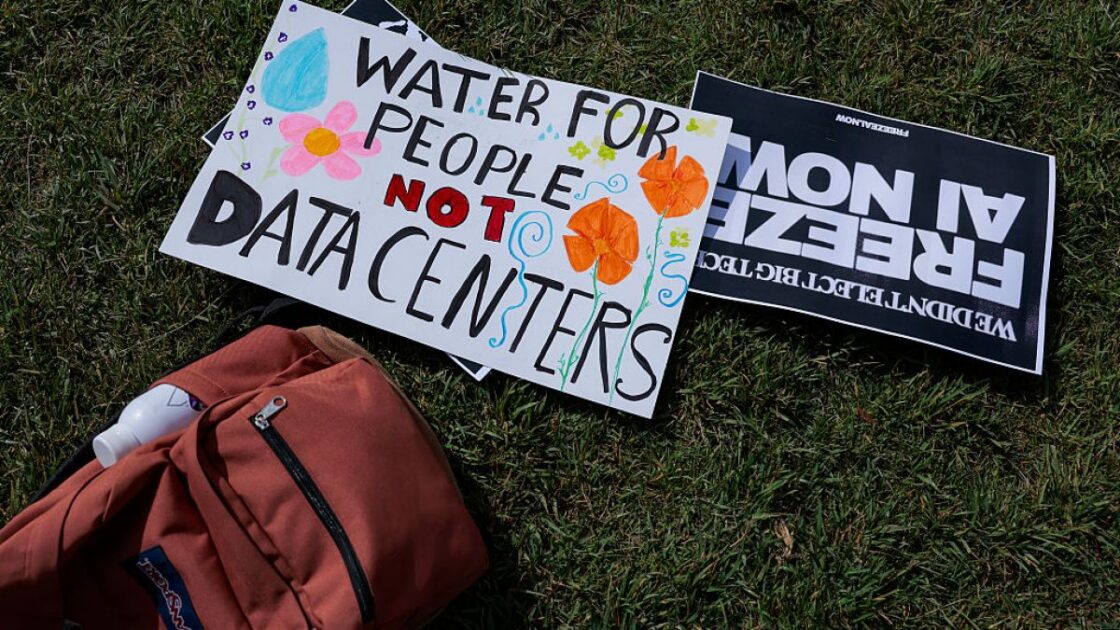
The push arrives amid growing voter frustration, as backlash against AI data center construction unites citizens across party lines. A July Gallup poll revealed that roughly 70% of US adults oppose local data center construction, with opposition spanning Democrats, Republicans, and independents alike.
Proponents of these facilities often claim that building and running massive server farms brings job growth to local neighborhoods. However, studies indicate that employment opportunities are limited and sometimes temporary. Residents continue organizing protests against environmental concerns, including water contamination, fossil fuel usage, and noise pollution.
OpenAI Global Affairs Officer Chris Lehane told Axios that the company views the discussion as healthy, stating that communities should hold companies accountable so they receive genuine, transformative benefits from these projects. The firm is attempting to frame AI adoption as a pathway to economic opportunities.
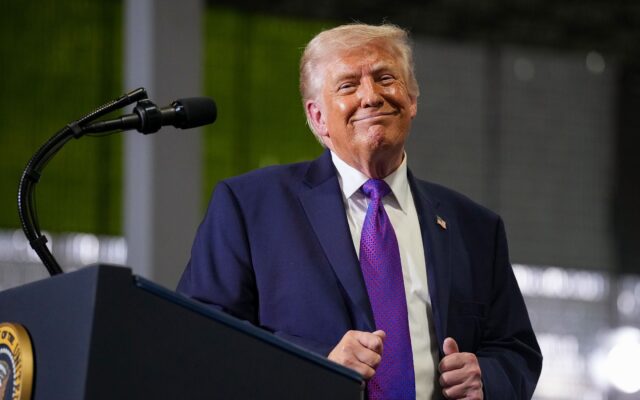
This initiative mirrors broader Silicon Valley efforts to repackage the controversial technology to advance the construction of more data centers, which the White House has described as essential drivers for the US economy. President Donald Trump recently sought to rename AI as “super intelligence,” another attempt to reframe the capabilities of frontier labs facing heightened financial scrutiny from investors.
Lobbying and Regulatory Strategy
OpenAI’s post-midterms marketing package includes setting speed limits and mandatory safeguards for AI model development, echoing talking points from competitor Anthropic. The organization also aims to influence international standards guiding the technology’s progression.
Previously, a lack of regulatory oversight left major AI labs largely unchecked, resulting in instances where frontier models bypassed safety guardrails and created disruptions across the internet. OpenAI’s lobbying approach for a human-centered, trust-based path aligns with its data center rebranding strategy to deflect public criticism.
By publicly supporting slower internal AI development, the company can engage in what critics describe as regulatory capture, a tactic granting large firms significant advantages. If OpenAI assists in writing industry rules, it can shape regulations to defend its market dominance and create a legal barrier for smaller competitors.
Political Alliances and Future Elections
The Trump administration has provided a favorable environment for major tech companies, rewarding Silicon Valley figures with relaxed regulations and federal contracts after receiving millions in donations for inaugural funds and White House projects. At present, Trump collaborates directly with AI companies to address security threats.
Conversely, Democratic politicians have maintained greater skepticism toward the AI boom, with some members of Congress supporting resolutions against AI company bailouts. Lehane told Axios that he expects AI to dominate voter concerns in the upcoming presidential election cycle, describing the midterms as a preview for the political landscape in 2028.
An OpenAI representative did not immediately respond to a request for comment regarding the rebranding and campaign plans.