Table of Contents
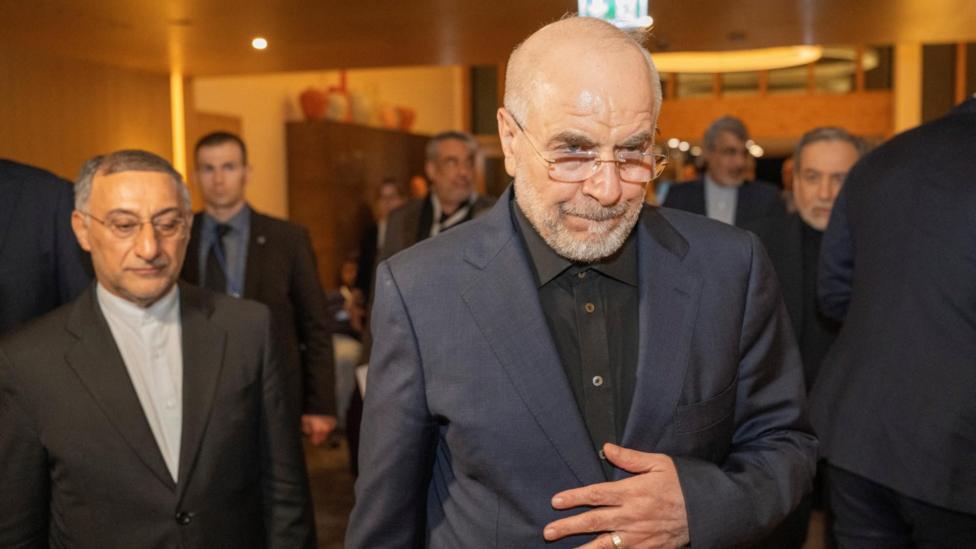
Iran’s chief negotiator in talks with the United States has stated that American citizens voted “NO TO WAR” after President Donald Trump’s Republican Party suffered a major defeat in the midterm elections. Parliament speaker Mohammed Bagher Ghalibaf shared support for the message on social media platform X, warning that any US betrayal of public will would bring severe consequences.
Trump’s Response and Ongoing Conflict
President Trump acknowledged that the disappointing results for Republican congressional candidates were partly tied to the war and rising petrol prices. However, speaking in an interview with Fox News, he maintained that he did not regret launching a joint military attack with Israel against Iran in February. Trump told CBS News that the ongoing conflict would conclude “when I say it ends.” Ahead of the midterms, Trump had warned that the US and Israel could return to full-scale warfare if a peace agreement cannot be reached.
Meanwhile, Iran’s Supreme Leader Mojtaba Khamenei released a statement asserting that he did not expect American policy toward Iran to change, describing anyone anticipating a shift in US hostility as gravely mistaken. Khamenei warned that resuming the conflict would lead to much wider dimensions.
Incidents in the Strait of Hormuz
As reported by BBC News, Iran’s Islamic Revolutionary Guard Corps (IRGC) claimed that four oil tankers caught fire after striking naval sea mines in the Strait of Hormuz, with two vessels still burning and two others intercepted. However, BBC Verify investigated the claims and found no evidence that four tankers were destroyed. The UK Maritime Trade Operations centre reported that a single tanker was struck by unknown projectiles near Oman’s Musandam peninsula, resulting in no casualties, following an earlier attack that killed an Indian crew member of a sailing boat.
The IRGC also stated that its forces shot down a US MQ-9 drone over the Strait of Hormuz, echoing a similar claim made earlier in the week when US officials confirmed carrying out limited strikes on Iran’s Qeshm Island.
Diplomatic Efforts and Shipping Strains
Indirect talks aimed at ending the conflict have remained stalled for months. President Masoud Pezeshkian reaffirmed that his administration has sought to resolve the crisis through dialogue, warning that no one would benefit if fighting resumes, and noted that the supreme leader had granted authorities expanded powers to negotiate previously restricted issues.
Iranian foreign ministry spokesperson Esmaeil Baqai stated that current indirect negotiations mediated by Qatar are based on a condensed seven-step proposal submitted by Iran in September. The Strait of Hormuz, which normally carries a fifth of global oil and gas shipments, has faced severe disruptions and closures following missile and drone attacks alongside a US naval blockade.
A preliminary agreement reached in June to end the war and reopen the waterway collapsed after shipping attacks resumed and the US reinstated its blockade. While Iran has targeted vessels using an alternative southern route through Omani waters, the US military continues to provide protection for oil tankers transiting the Strait to keep Gulf exports flowing.