The US midterm election results brought optimism to many in Canada, who viewed the Democratic sweep as a rejection by American voters of trade tariffs imposed by Donald Trump on key allies. Ontario Premier Doug Ford expressed great enthusiasm on Wednesday, describing the outcome as a major win for Canada.
Impact on Trade Talks and Public Sentiment
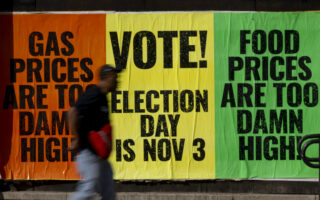
Although the election outcome is unlikely to provide immediate relief from existing tariffs, it is expected to foster a more favorable climate for Ottawa to secure a better trade agreement now that discussions have resumed. US voters identified the cost of living as a primary concern during the midterms, and a September survey by the Cato Institute indicated that roughly 75% believe the tariffs have driven up prices.
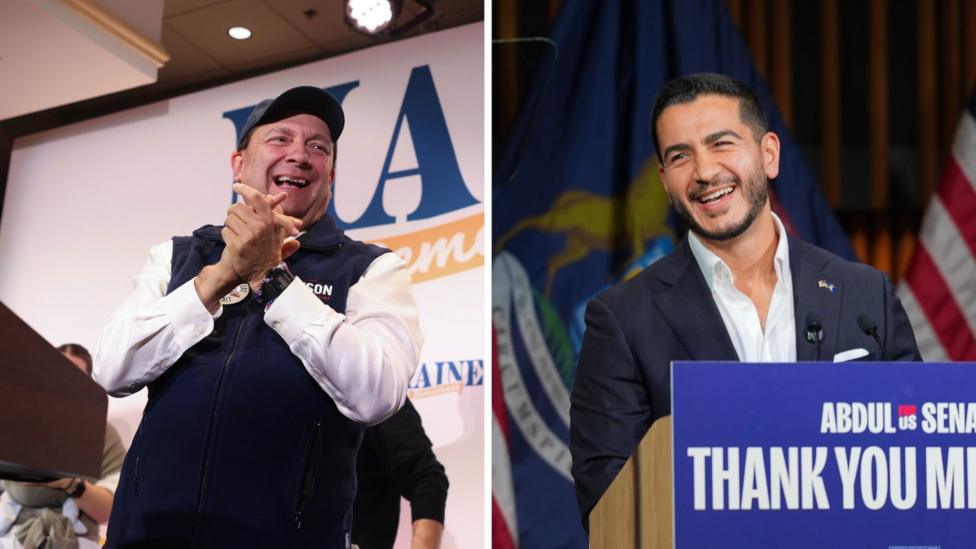
Tariffs significantly influenced hard-fought races in states such as Maine and Michigan. In Maine, Republican incumbent Senator Susan Collins clashed with the White House over the duties, successfully lobbying to remove levies on road salt, refrigeration equipment, and seaweed, though she ultimately lost her seat to Democrat Troy Jackson.
A parallel situation unfolded in Michigan, where the automotive sector is closely tied to Canada’s manufacturing industry, and Democratic candidate Abdul El-Sayed defeated Republican Mike Rogers. According to an analysis by the US-based National Taxpayers Union Foundation, Trump’s 25% tariffs on non-US-made cars and trucks caused layoffs in Ontario and added thousands of dollars in household expenses for residents of Michigan.
Like Collins, Rogers attempted to distance himself from the tariffs by stating in a campaign ad that Canada is not an enemy, while El-Sayed criticized the levies directly for increasing costs. In Ohio, Senator-elect Sherrod Brown labeled the duties a disaster after defeating Republican Jon Husted. Meanwhile, newly empowered Democratic leaders Hakeem Jeffries and Chuck Schumer have both advocated for scaling back the tariffs on Canada in recent months.
Legislative Limitations and Current Trade Conflict
Despite Democratic gains in Congress, the shift may have a limited impact on the levies because Trump enacted most of them through executive orders without congressional approval. During an appearance on Fox News on Tuesday night, Trump emphasized his veto power to block any unwanted bills passed by Congress. Additionally, some Democratic lawmakers have historically supported certain tariffs to protect domestic manufacturing jobs.
Trade tensions include multiple layers of duties on Canadian sectors such as automobiles, steel, aluminum, and forestry. Following the collapse of trade negotiations between Ottawa and Washington in August, the Trump administration introduced an additional 50% tariff on approximately $20bn (£15bn) worth of Canadian goods, ranging from dairy to cosmetics and furniture, alongside a total import ban on motorcycles, whey protein, and alcohol. In response, Canada implemented dollar-for-dollar retaliatory tariffs of 50%, and most provinces banned the sale of US alcohol. Trump had previously threatened to escalate the trade conflict further by increasing sector-specific tariffs starting January 1.
Ahead of the election, the administration showed signs of increased sensitivity regarding the public perception of the tariffs. Days before the vote, Trump informed reporters that a trade agreement was very close following discussions with Prime Mark Carney. Carney stated on Tuesday evening that US negotiators had become more flexible in recent talks.
US-Canada Trade Minister Dominic LeBlanc stated on Wednesday that the midterm outcomes will not generate short-term changes, dismissing speculation about the incoming Congress as premature. He emphasized that Canada’s negotiating approach remains unchanged and that officials will not speculate on American strategies.
Colin Robertson, a former Canadian diplomat and fellow at the Canadian Global Affairs Institute, suggested that Trump may feel increased pressure to finalize a deal with Canada following voter backlash at the polls, though his reaction to the defeat remains uncertain. Robertson noted that Canada has a crucial window between now and January, when the new Democratic lawmakers take office, to conclude an agreement before Trump becomes preoccupied with congressional investigations.
US trade representative Jamieson Greer previously stated his ambition to establish interim agreements with Canada and Mexico regarding the USMCA trade pact before the end of the year. While Prime Minister Carney expressed optimism about the current state of bilateral talks, he previously indicated readiness to wait for a new American president if necessary to secure a favorable deal.