Table of Contents
Brazil’s government has released the world’s first global roadmap for phasing out fossil fuels, asserting that countries can begin breaking their dependence on coal, oil, and gas immediately without waiting for new technologies or economic shifts.
Implementation and Global Response
André Corrêa do Lago, Brazil’s president of the Cop30 summit, told Environment | The Guardian in an interview that the roadmaps are designed to shift the focus of annual UN climate conferences away from negotiating global agreements and toward implementing targets that have already been established. He stated that these documents should be adopted by ministries of finance, transportation, energy, and infrastructure.
However, Joeri Rogelj, a professor of climate science and policy at Imperial College London, argued that while the plans represent a step forward, they remain limited. He noted that the documents lack timelines or key benchmarks, leaving the specific pace of change unclear regarding the Paris agreement’s goal to limit global warming.
Origins and Details of the Roadmaps
The roadmaps stem from a compromise reached at the Cop30 summit hosted by Brazil in Belém last November, following a dispute over whether final resolutions should include fossil fuel pledges. The presidency agreed to produce two roadmaps: one focusing on transitioning away from fossil fuels in energy systems, and another on halting and reversing deforestation.
Unlike more prescriptive national plans produced by a separate “coalition of the willing” following a conference in Santa Marta, Colombia, the Brazilian documents are non-binding and contain no deadlines or milestones. Corrêa do Lago explained that the framework allows individual nations to diagnose their dependence levels and select appropriate policy levers at their own pace.
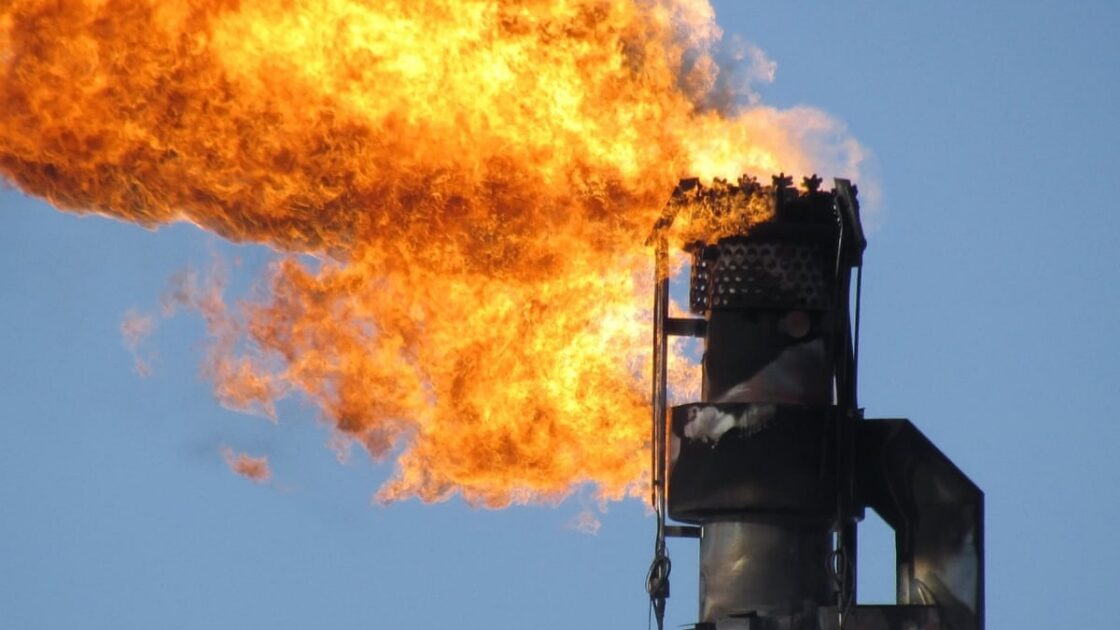
Among the energy recommendations, the Brazilian roadmap advises oil and gas producers to urgently cut gas flaring and venting from extraction sites. Additional measures include reducing fossil fuel subsidies and expanding renewable energy generation.
Deforestation and Financial Goals
The deforestation roadmap highlights that approximately $300bn will be needed annually for forests by 2030, rising to $500bn a year by 2050, citing UN figures. Current available funding stands far below these targets at roughly $85bn annually. During Cop30, Brazil established the Tropical Forest Forever Facility, which secured about $7bn, including a £400m loan from the UK.
The document also stresses the need to regulate trade between forested and consumer nations to prevent unscrupulous companies from selling goods from deforested regions. The publication of the roadmaps follows the recent election victory of Brazilian President Luiz Inácio Lula da Silva, whose administration has seen deforestation rates drop by about 70% over the past four years.