Table of Contents
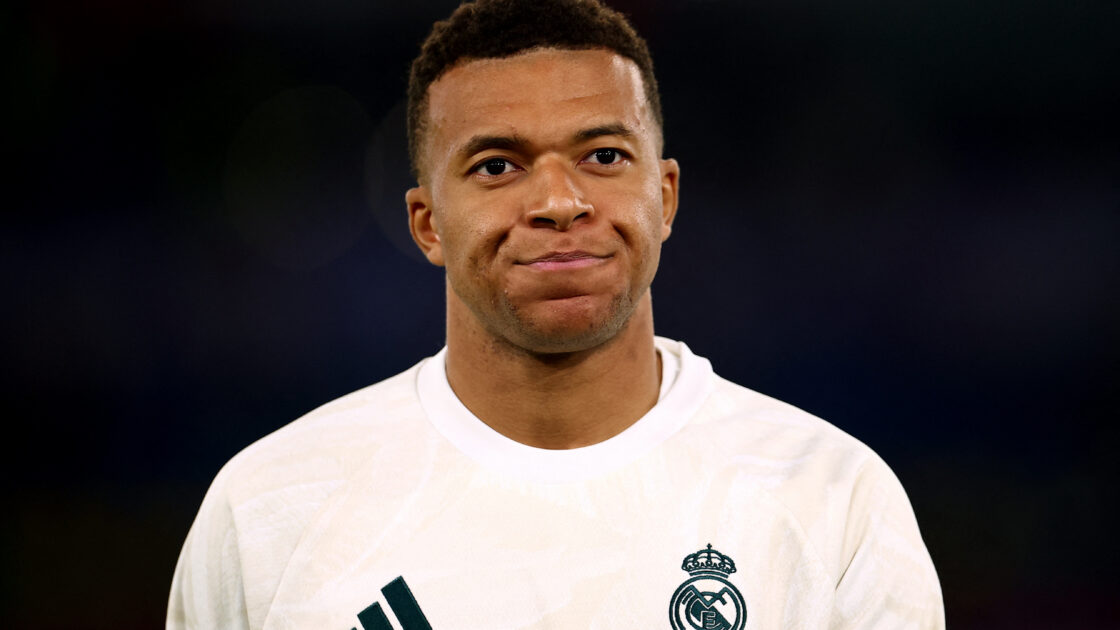
French football star Kylian Mbappe recently faced significant backlash after making an offhand comment about a meme that superimposed his face onto an image of the late Chinese leader Mao Zedong. By referring to the figure as a dictator without explicitly naming him, Mbappe triggered an international controversy that led to the withdrawal of Chinese sponsorships and the suspension of La Liga broadcasts by state television.
The cost of political expression
While Mbappe’s remark was intended as a joke regarding his influence over his club and teammates rather than a historical critique, the fallout was swift. Both Mbappe and his club, Real Madrid, issued apologies, and the league expressed regret for the offense caused. According to Al Jazeera, this incident highlights how quickly political sensitivities can be used to discipline athletes, regardless of whether their comments were intended to be political.
This trend of policing athlete speech is not new. A decade ago, American football player Colin Kaepernick was effectively sidelined from the National Football League after kneeling during the U.S. national anthem to protest systemic racism. More recently, in May, Spanish footballer Lamine Yamal faced accusations of inciting hatred from Israeli Defence Minister Israel Katz after waving a Palestinian flag during Barcelona’s title celebrations.
Commercial interests and institutional control
The pressure on athletes often stems from the commercial and institutional relationships that define their careers. As Real Madrid coach Jose Mourinho once noted, there is often danger in public commentary, leading many to believe that silence is the safest path. When a single comment threatens market access, clubs and leagues often treat the remark as misconduct to protect their financial interests.
This dynamic mirrors ancient practices where athletes were seen as extensions of their communities. Just as the runner Astylus faced severe punishment from his former compatriots for switching his allegiance, modern athletes are expected to embody the values of their clubs, sponsors, and nations. When an athlete’s independent expression disrupts these authorized messages, institutions often demand silence.
The contradiction of celebrity
Sporting businesses frequently market the “authenticity” and “character” of their stars to build fan engagement, yet they simultaneously demand conformity. This creates a contradiction where athletes are encouraged to be themselves only as long as their views remain within approved boundaries. While audiences increasingly expect sports stars to address moral and political issues, the professional risks associated with such speech remain high.
The freedom to speak should not be reserved only for those who are perfectly articulate or taking a heroic stand. It must also accommodate casual remarks and jokes. While athletes should be held accountable for speech that causes genuine harm, the current environment often prioritizes the protection of state prestige and corporate balance sheets over individual expression.
Ultimately, while clubs and sponsors may purchase an athlete’s sporting services or advertising time, these transactions do not grant them ownership over the individual’s convictions. If sporting institutions continue to market the person behind the performance, they must accept that those individuals possess voices of their own.