Table of Contents
Dumpster divers around the world are rummaging through commercial bins to find clothes, toiletries, and household items, driven by a desire to save money, support charities, and reduce waste. From north London to Texas, individuals are uncovering valuable goods that would otherwise end up in landfills.
Finding Brand-Name Goods in Supermarket Bins
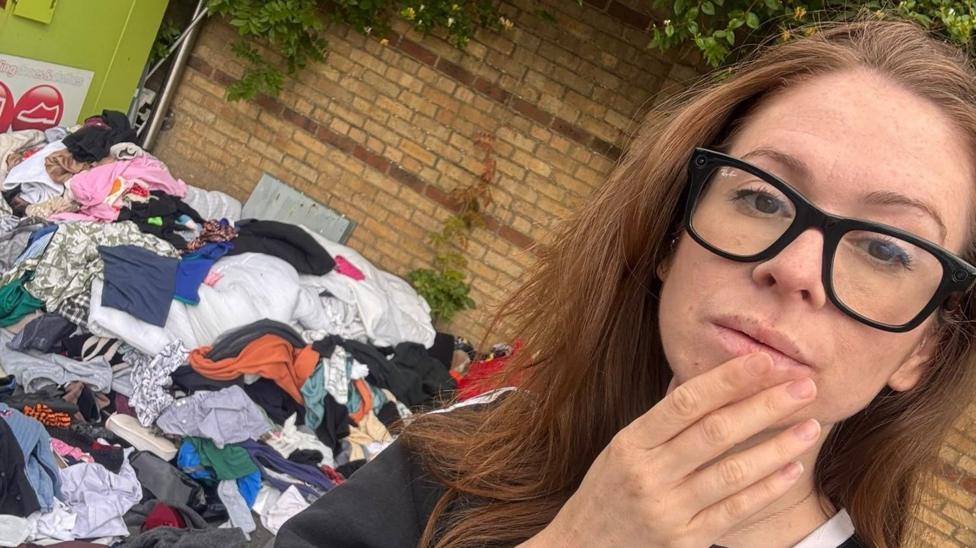
Darryl Baker, a freelance journalist and mother-of-two from north London, began checking supermarket recycling bins after noticing piles of discarded clothes. With permission from supermarket staff, she secured entire new wardrobes for her children featuring brands like Ralph Lauren, Nike, and The North Face. Over a six-month period, she estimates she saved hundreds of pounds by salvaging items that also included an Ikea picture frame and children’s scooters, keeping some pieces for herself and donating or selling others.
Texan Jeff Ferrell has been searching through trash for more than 50 years. The 72-year-old sociology professor emeritus at Texas Christian University still rides his bicycle daily to dive into dumpsters in affluent Fort Worth neighborhoods. Operating with a mindset of a “bit of Robin Hood mixed with anarchist direct action,” he equips his home with scrounged items and avoids buying soap, toiletries, medical supplies, shoes, clothes, tools, and garden supplies. He collects discarded metal to sell at a scrapyard for about $150 every two weeks, while his wife sells valuables like antiques and jewelry on eBay, bringing in tens of thousands of dollars in value annually.
Refashioning and Reusing Discarded Items
Millie Diamond, a London-based stylist, films her bin-diving excursions for Instagram with the specific goal of finding fabrics and clothing to refashion into new items, including a dress she estimates was worth £600. She started after discovering vintage clothes in discarded fabrics left behind by a closed business. For Charlotte Bayford in Essex, timing is key as she targets student departures at Essex University to collect unwanted items and half-filled toiletries, allowing her to avoid buying shampoo for eight years while also securing sealed food items like tins of Heinz baked beans.
Legal Considerations of Dumpster Diving
While dumpster divers often share their finds proudly online, the legality of the practice varies by location. Jeff Ferrell notes that many US cities, including New York, Cleveland, and Wichita, have banned the practice because discarded items technically belong to the city or private trash companies, presenting potential trespass charges for divers. In the UK, solicitor Sunjay Versani of Duncan Lewis Solicitors explains that while prosecution is unlikely for genuinely discarded goods, no general rule permits taking items simply because they are in a bin or skip, recommending that people ask business owners for permission if they are in doubt.