Table of Contents
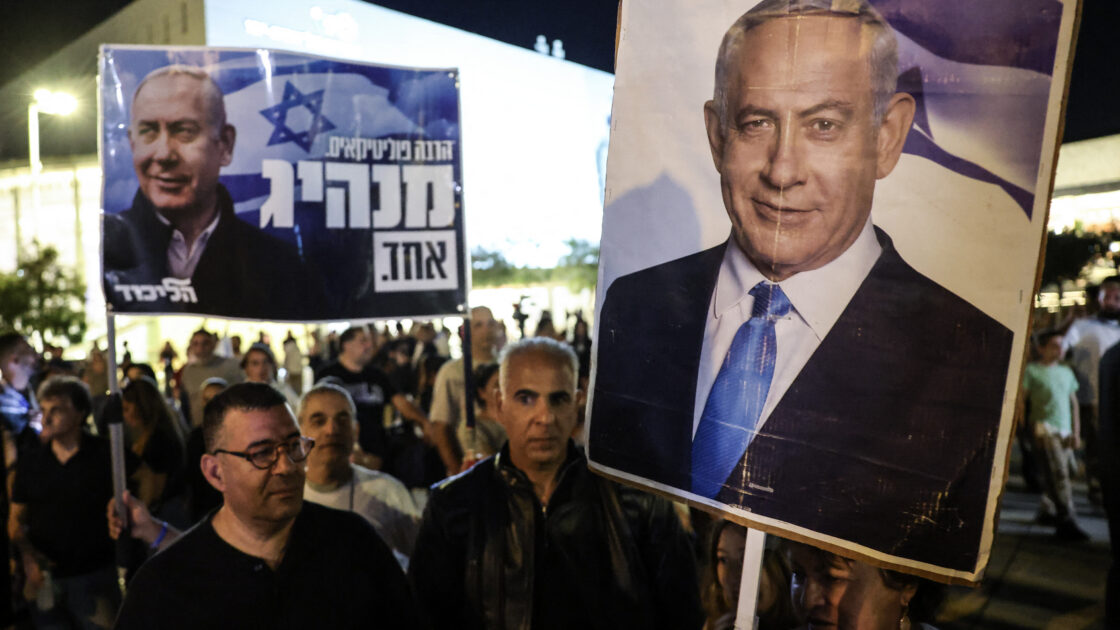
Israel’s election results are set to be certified on Wednesday amid a severe political deadlock, as both major political blocs fell short of the required parliamentary majority. Prime Minister Benjamin Netanyahu’s right-wing coalition secured 53 seats in the October 27 vote, while an opposition alliance led by former army chief Gadi Eisenkot won 48 seats in the 120-seat Knesset, leaving government formation in limbo.
Coalition Challenges and Opposition Moves
The remaining 19 seats were claimed by two Arab-led lists, the Joint List and Ra’am. Netanyahu’s camp has faced accusations of seeking to delegitimize the election outcome after pushing largely dismissed claims that foreign interference manipulated the vote for the Arab parties, which achieved their best-ever electoral performance. Despite an unprecedented surge in voter turnout, the Arab-led lists remain politically isolated, though indications suggest they might support an Eisenkot-led administration.
Following a meeting on Tuesday, key opposition leaders announced their intention to replace Netanyahu’s governing coalition with a national emergency government. However, their statement omitted details on how they would secure a majority, which relies on allying with either the Arab-led parties or two ultra-Orthodox factions. Israeli pollster Mitchell Barak told Al Jazeera that both sides are currently on track for a government while remaining nowhere near able to form one.
Formal coalition negotiations will officially launch after Wednesday’s certification by President Isaac Herzog. Herzog will then consult all parties to decide which Knesset member is best positioned to build a government. Beyond this decision, Herzog must also weigh Netanyahu’s longstanding request for a pardon in an ongoing corruption trial.
Potential Alliances and Ultra-Orthodox Shifts
While public pressure grows for Eisenkot to partner with the Arab parties, sources within the Joint List told Al Jazeera they do not expect an imminent invitation to support the bloc. Attention has instead shifted toward whether either of the two ultra-Orthodox parties, Shas and United Torah Judaism, might defect to back Eisenkot. Political analyst Nimrod Flaschenberg told Al Jazeera that rumors suggest Ashkenazi members of United Torah Judaism might break with Netanyahu, though he noted that such a move would still require backing from an Arab party to reach a majority.
Compounding the political friction, personal animosities and poor coordination continue to plague the opposition. Barak pointed out that naming Naftali Bennett’s running mate Yair Lapid as their choice for speaker appeared to be news to both Eisenkot and Bennett, while Netanyahu must navigate dealing with Herzog both for a mandate and a pardon.
US Midterms and Regional Tensions
External factors, including Israel’s alliance with the United States, loom heavily over the ongoing political crisis. Barak noted that the coalition process could be disrupted by US midterm election results affecting President Donald Trump, or by a renewed conflict with Iran. Netanyahu heavily emphasized his ties to Trump during the campaign.
Yossi Mekelberg, a senior fellow at Chatham House, told Al Jazeera that Netanyahu lacks the numbers to form a coalition through standard political maneuvering. Mekelberg suggested that an emergency involving Iran could alter the political landscape, potentially forcing the opposition to rally behind the incumbent or sparking a surge in popularity that could lead to fresh elections.
The newly elected Knesset is scheduled to be sworn in on November 10.