Table of Contents
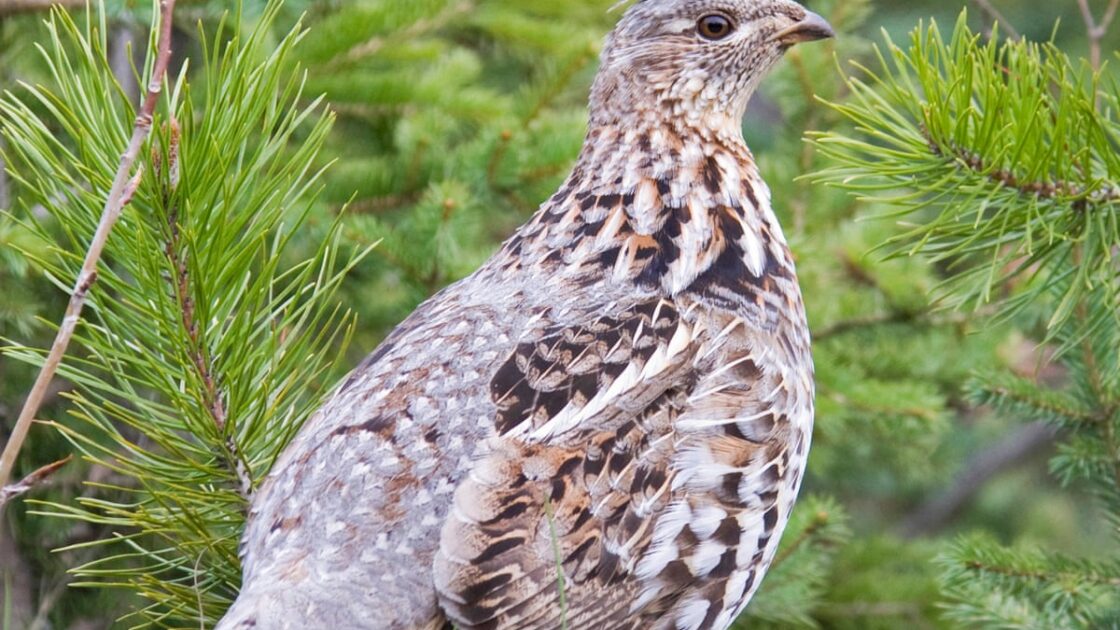
For the first time since 1937, no open permits to hunt ruffed grouse have been issued to the public in Ohio due to severe population declines. The ruffed grouse, one of North America’s most widely distributed game birds, ranges from the southern Appalachian mountains to Alaska but is facing mounting pressure from environmental factors.
Threats from Disease and Habitat Loss
Mark Wiley, a forest gamebird biologist for the Ohio department of natural resources, stated that roadside drumming surveys indicate grouse numbers remain quite low throughout the species’ range in eastern and southern Ohio. Although actual population numbers are not recorded in the state, hunters conducting drumming counts have fallen to less than 1% of the rates recorded in the early 1980s. Indiana added the bird to its state endangered list six years ago and closed its hunting season in 2015, while New Jersey ended its ruffed grouse hunting four years later.
While the birds are tough and withstand harsh winter storms, habitat shortages and the spread of West Nile virus are significantly impacting populations. The disease is carried by mosquitoes that feed on bird blood, and climate change is allowing mosquitoes to move farther north and into higher elevations. Karl Malcolm of the Ruffed Grouse Society noted a shift in topography as mosquitoes move into upland, mountainous areas that previously served as strongholds for grouse in New York and Pennsylvania.
Climate Central, a nonprofit news organization, found that the Ohio valley and north-east US regions have experienced a greater increase in “mosquito days” since 1979 than any other part of the country. Furthermore, infected birds can amplify the virus by passing it on to previously uninfected mosquitoes.
Economic Impact on Rural Communities
The decline of the ruffed grouse could heavily impact rural communities that depend on hunting revenue. Hunting contributes nearly $2bn to Ohio’s economy, with most activity centered in Appalachian counties that feature some of the lowest income levels in the state. Data from the Ohio division of wildlife shows that licensed hunters pursuing the bird dropped from 13% to 2% between 1993 and 2014.
While Wisconsin, Michigan, and Minnesota hold the largest ruffed grouse populations in the country, they have also experienced significant warming. Northern Wisconsin is known as the ruffed grouse capital of America, where a 2022 study found hunting the bird generated about $7.5m in economic output. In Park Falls, Wisconsin, outfitters Terry and JoAnn Ides guide hunts and report not yet seeing West Nile virus as a problem for their business, though the first wild bird case of the year in the state was recently found an hour’s drive away. JoAnn Ides also noted that warm fall temperatures have kept birds high in the trees to stay cool, making them harder for hunters to track.
Conservation Challenges and Forest Management
Male ruffed grouse, roughly the size of a bantam chicken, perform spring drumming displays with their wings while perched on logs. The dozen species of grouse in North America are notoriously wild and difficult to breed in captivity. Across the eastern US, populations also suffer from ageing woodland topography because the birds require open spaces of young tree growth, which are becoming scarce as Appalachia and midwest forests mature. Reports from the Cornell Land Trust Bird Conservation Initiative indicate that birdlife in eastern forests has dropped by 27%.
Malcolm, who holds a doctorate in forest and wildlife ecology, explained that the wider public has lost a strong connection to the outdoors and often fails to understand how conservation and hunting work together. He noted that many people believe nature should either be left entirely alone or left vulnerable, overlooking active steps that can make the land healthier.
The Ohio division of wildlife will continue monitoring the species as conservationists evaluate the long-term outlook for ruffed grouse across North America.