Table of Contents
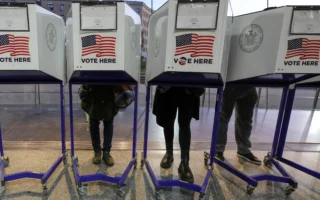
Americans are heading to the polls for the 2026 US midterm elections, serving as a critical referendum on Donald Trump’s agenda. The congressional elections will determine control of both chambers of the US Congress for the final two years of Trump’s second term.
Structure of the US Congress
The US Congress consists of two chambers: the House of Representatives and the Senate. Both chambers must approve federal legislation before it can become law and share important responsibilities in overseeing the executive branch.
The House of Representatives is elected every two years, putting all 435 voting seats up for contest at every congressional election. Meanwhile, the Senate features 100 members who serve staggered six-year terms, meaning approximately one-third of its seats face election every two years.
What Is on the Ballot
Voters are deciding several major federal and local races this year, including all 435 seats in the House of Representatives. Republicans enter the contest defending a narrow majority, requiring Democrats to achieve a net gain of four seats to take control of the chamber.
In the Senate, 35 seats are being contested. This includes 33 seats up for regular election alongside two special elections in Florida and Ohio to fill unexpired terms vacated early. Republicans currently hold 53 seats in the Senate, while Democrats and independents who caucus with them hold 47. Democrats likewise need a net gain of four seats to secure a majority.
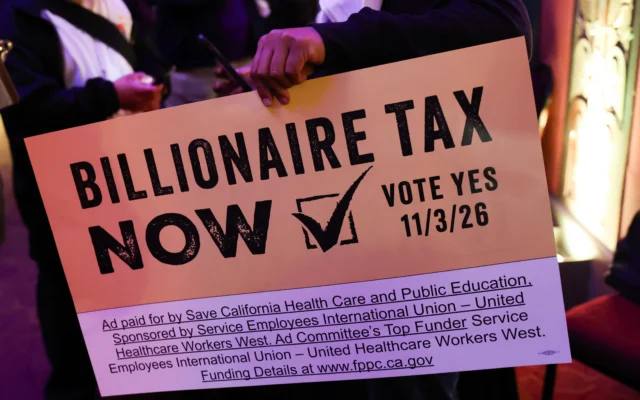
Beyond federal legislative races, the ballot includes 39 governorships, with voters choosing leaders across 36 states and three US territories. Thousands of state legislative seats, local offices, judicial contests, and ballot measures concerning taxes, abortion rights, and voting rules are also being decided.
Historical Trends and Local Impact
The outcomes of the governorships and state legislative contests will directly shape policymaking at the local level, affecting areas such as education, reproductive rights, taxation, and election administration.
Historically, midterm elections frequently penalize the sitting occupant of the White House. The president’s party has lost House seats in 18 out of the past 20 midterm elections, reflecting a 90% rate of loss dating back to 1946.