Table of Contents
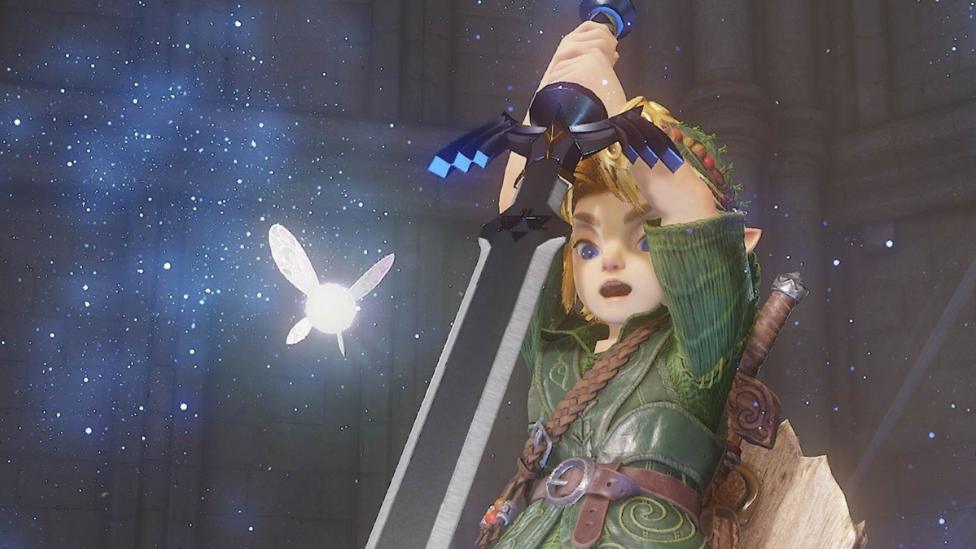
When Kacey Doran saw footage from the upcoming remake of The Legend of Zelda: Ocarina of Time, she immediately messaged her sister to share her excitement. Nearly 30 years ago, the sisters played the original Nintendo 64 game together, and the fully redesigned version—scheduled for the Switch 2 later this year—brought back a flood of memories.
The Emotional Pull of Nostalgia
The video games industry has long relied on remakes, updating titles from Mario Kart to Pac-Man as hardware improves and new generations emerge. For Doran, who now teaches an esports course at Rowan University in New Jersey, the 1998 original possessed a magical quality she hopes to share with her sister’s children.
According to Tim Wulf at the Centre for Advanced Internet Studies in Bochum, Germany, nostalgia is a complex emotion carrying both happiness and a bittersweet awareness that the past is gone. Wulf explains that it functions as a social emotion connecting people and boosting self-esteem. Video games excel at triggering this feeling because they act as emotional time machines, allowing players to return to familiar environments that offer reassurance in a changing world. Doran notes that revisiting an old favourite provides the satisfaction of deploying learned skills and winning just like in the old days.
Industry Strategy and Fan Expectations
Piers Harding-Rolls, head of games research at Ampere Analysis, describes remakes and remasters as a successful and safe strategy for the gaming industry. Connecting with established audiences and utilizing existing content is often cheaper than creating a new title from scratch, as seen with recent hits like Resident Evil 4 and Assassin’s Creed Black Flag. Ocarina of Time stands out because it remains widely regarded as one of the greatest games ever made, generating high interest among Gen Z players.
However, nostalgia alone does not guarantee success, and modern audiences expect contemporary standards. Wulf points out that some players prefer entirely new experiences over old titles. Furthermore, remakes face the challenge of competing with originals for the title of the definitive version, while fan backlash can be severe if a release fails to respect the source material.
Stephanie Ijoma, chief executive and founder of creative agency NNESAGA, states that developers must find a balance between satisfying fans and exercising creative freedom. Reminiscing about the 1997 release of Final Fantasy VII, which received a 2020 remake, Ijoma emphasizes that creators cannot work in fear. Remakes also solve the practical problem of accessing older titles, as running legacy hardware is not always feasible for modern players.
Accessibility and Future Reinterpretations
Solo indie game developer Niklas Hallin, who runs the studio Neckbolt, highlights how remakes make classics accessible on modern hardware. Hallin notes that while nostalgia does not drive his own gaming habits, he incorporates subtle retro stylistic references into his work because audiences respond well to them. Indie developers also lean toward retro aesthetics because they are harder to achieve when competing with billion-dollar budgets and high-fidelity graphics.
Looking ahead, as the visual differences between modern releases narrow, Harding-Rolls predicts that future remakes will shift away from purely graphical improvements toward editorial adjustments, creative reinterpretations, and versions featuring additional content.