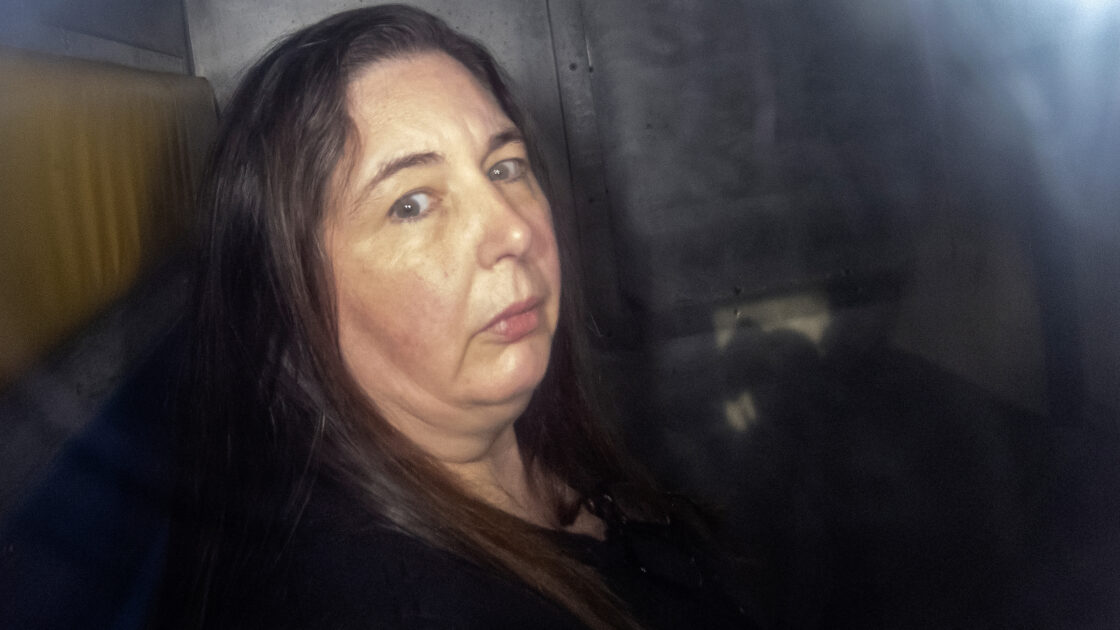
An Australian court has dismissed an appeal by Erin Patterson against her conviction and ruled that she should spend the rest of her life behind bars. A three-judge panel at the Supreme Court of Victoria delivered its ruling on Friday, determining that Patterson should not have the chance of parole after being convicted of murdering three of her estranged husband’s relatives with a meal laced with deadly mushrooms.
Court Rules Out Parole for Convicted Killer
Justice Stephen McLeish, speaking on behalf of the panel, told the Melbourne court that the offending was extraordinarily cold and calculated and stood to be denounced in the strongest terms. The panel concluded after anxious consideration that the case involved such shocking criminality that it was inappropriate to fix a non-parole period.
Patterson, then 51, was convicted for the murder of her mother-in-law and father-in-law, Gail and Donald Patterson, and Gail’s sister, Heather Wilkinson, by serving them a lunch of beef wellington laced with death cap mushrooms. She was also convicted of the attempted murder of Ian Wilkinson, Heather’s husband, who survived the meal.
The judge noted that her crimes involved an elaborate series of deceptions, including falsely claiming a cancer diagnosis to explain the absence of her two children from the lunch. The sole survivor testified that Patterson had told her guests she wanted their advice about what to tell the children about her diagnosis.
Appeal Grounds and Final Legal Options
Patterson was originally sentenced to life in prison with a 33-year non-parole period, which was among the longest terms ever handed to a woman in Australia. She has always denied wrongdoing, maintaining that the deaths were accidental.
Her lawyers had argued that certain evidence should have been kept from the trial, that her cross-examination was unfair, and that placing the jury in the same hotel as other parties to the case compromised the result. The judges found these grounds for an appeal to be insufficient.
Patterson is only the second woman in Australia to be imprisoned for life without the possibility of parole. She can still apply to Australia’s High Court to overturn the verdicts on her sentence and her convictions, which serves as her last appeal option.