Table of Contents
Gulf states must reconfigure their trillion-dollar defences because of severe economic damage and questions surrounding the continued value of US bases during Iranian attacks, according to a study by the International Institute for Strategic Studies (IISS).
The Scale of the Attack and Economic Damage
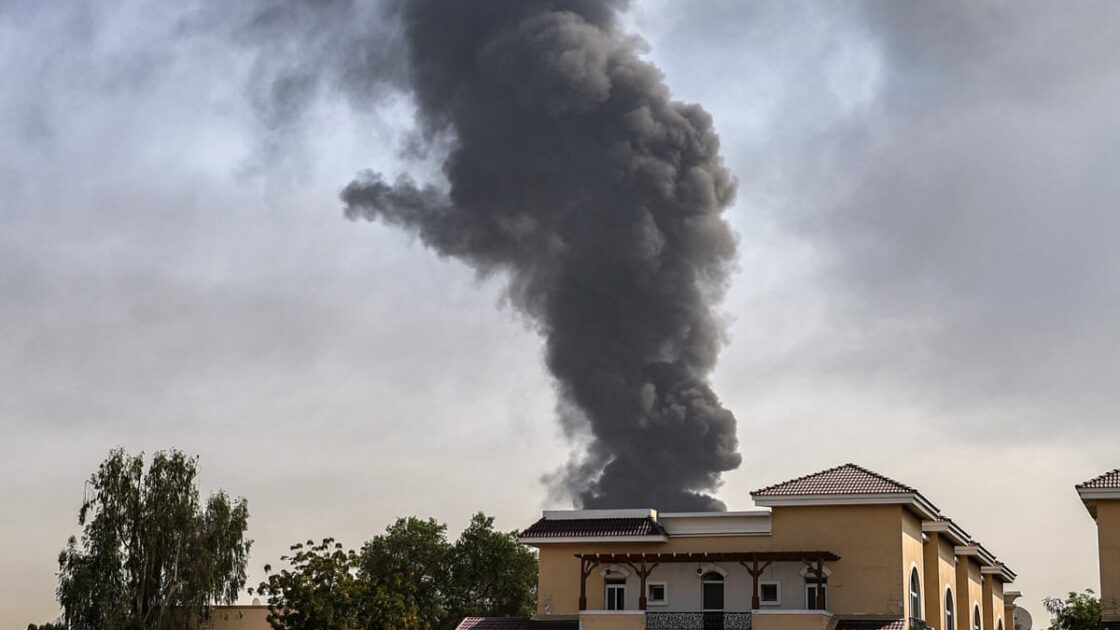
In the weeks leading up to the April 8 ceasefire, 12 regional nations—primarily in the Gulf—confronted 4,670 Iranian one-way attack drones and over 1,400 ballistic missiles, with nearly half targeting the United Arab Emirates. While most projectiles were intercepted, the report cites estimates of energy infrastructure damage reaching as high as $58bn (£43bn).
Shortcomings in Military Readiness and US Reliance
The conflict exposes an uncomfortable reality for Gulf nations, revealing that massive investments in American weaponry did not translate into reliable US protection when needed, and local militaries remain unprepared for attritional air warfare. The report highlights several major vulnerabilities, including heavy dependence on US-supplied air and missile defence systems, a lack of regional defence integration, insufficient minesweeping capabilities, restricted retaliatory options, and unsustainable costs from using expensive high-end systems to destroy cheap drones and missiles.
The study remains neutral on whether divided Gulf states should pursue a new non-aggression pact with Iran. However, it emphasizes that longstanding security partnerships with Washington have failed to guarantee proper protection against Iranian aggression. The document notes that US military bases and security ties have instead given Iran additional pretexts to target Gulf countries, while public opinion in the region increasingly views the US as a strategic liability rather than a security provider.
Future of US Military Presence
Any drawdown or complete withdrawal of American forces from the region would be framed by Iran as a strategic victory and proof of its steadfastness, while also being used to embarrass Gulf governments for relying on US protection for decades. The study follows remarks by US Democratic Senator Chris Murphy, a member of the Senate Foreign Relations Committee, who stated that the US military is debating the wisdom of reconstructing damaged bases in the Gulf.
Murphy noted that while Gulf leaders want the US to rebuild and maintain a regional presence, the utility of such bases is questionable if they can be destroyed within 24 hours of a conflict starting. He argued that rebuilding bases that are easily wiped out would be a misuse of taxpayer funds, suggesting the US will likely maintain a smaller regional footprint limited to what can be effectively defended, or potentially relocate eastern Mediterranean bases further away from Iranian missiles.