Table of Contents
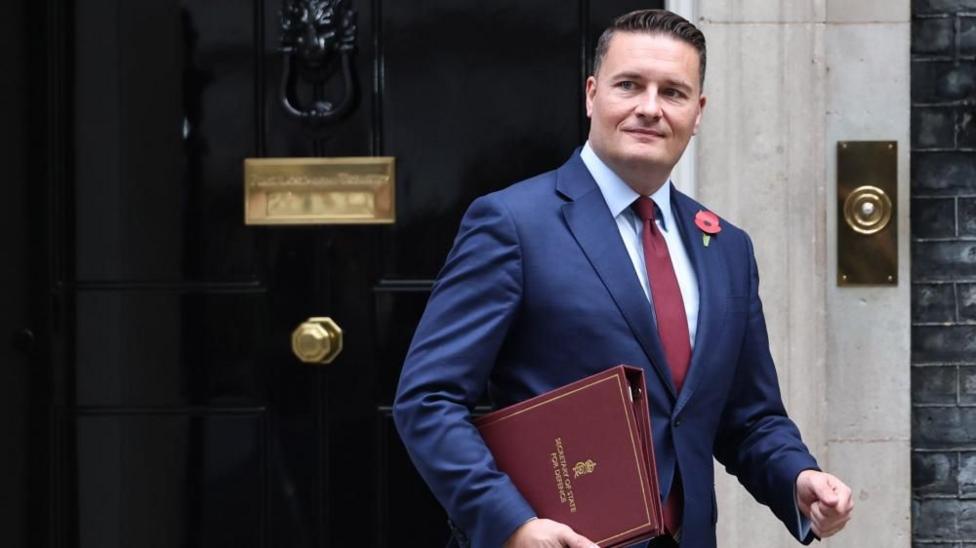
Defence Secretary Wes Streeting has rejected accusations of delaying decisions regarding national security funding, as the government faces criticism for omitting a clear pathway to reach its 3% GDP defence spending target by 2030 from the recent Budget.
New Investment Rules for Foreign Contractors
Under a newly announced policy by Chancellor John Healey and Wes Streeting, foreign corporations awarded defence contracts exceeding £50m will be required to reinvest an equivalent value back into the UK. Known as an “offset strategy,” this mandate requires these firms to spend an equivalent amount on British training, jobs, and manufacturing facilities.
The Ministry of Defence plans to implement these regulations on a case-by-case basis starting in April 2027. Healey and Streeting are scheduled to reveal the policy during a visit to the shipbuilding facilities of UK defence contractor BAE in Glasgow.
Similar mandates exist in nations such as Norway, Poland, and the Netherlands to maximize economic benefits from defence procurement. Ministers intend for the rules to bolster domestic defence industry investment while avoiding immediate public spending cuts.
Clash Over Spending Timelines
Tan Dhesi, the Labour chair of the cross-party Commons defence committee, stated that critical decisions had been lamentably delayed until the government spending review next year rather than being addressed in the Budget. Dhesi warned that failing to establish capabilities immediately leaves the nation vulnerable during major conflicts, adding that the committee stands by its criticism despite Streeting dismissing the remarks as unfair and unfounded.
Speaking on BBC Radio 4’s Today programme, Dhesi noted that while the committee welcomed the government addressing a £4.7bn shortfall in the Defence Investment Plan by asking departments to trim capital budgets by 1%, members had expected a precise pathway to the 3% target by 2030.
Responding on the same program, Streeting defended the timeline, stating that waiting for the upcoming spending review was appropriate to evaluate all government spending comprehensively. Streeting told BBC Breakfast that the new offset regulations would maximize value for British taxpayers, noting that increased defence funding incurs costs for other public services.
Streeting acknowledged that the armed forces faced under-investment for over ten years, leaving the country not entirely where officials want to be, though the nation remains prepared to handle hostile threats.
Political Reaction and Broader Context
Defence analysts have expressed skepticism regarding the government’s capacity to fulfill the 2030 goal and the broader NATO target of 3.5% by 2035, with current UK defence spending estimated at 2.6% of GDP this year. Projections indicate an extra £10bn annually may be required to meet these objectives.
Conservative leader Kemi Badenoch asserted that Healey failed his own test by omitting a concrete plan for the 3% target from the Budget. Meanwhile, opposition politicians criticized the Budget for lacking welfare reform specifics, with Conservatives calling for welfare reductions to finance defence.
During the Budget presentation, Healey mentioned that the UK is in negotiations with Poland, Finland, and the Netherlands to establish an international bank aimed at increasing joint procurement and defence investments.
The Ministry of Defence will begin applying the new contractor investment requirements on a case-by-case basis starting in April 2027.