Table of Contents
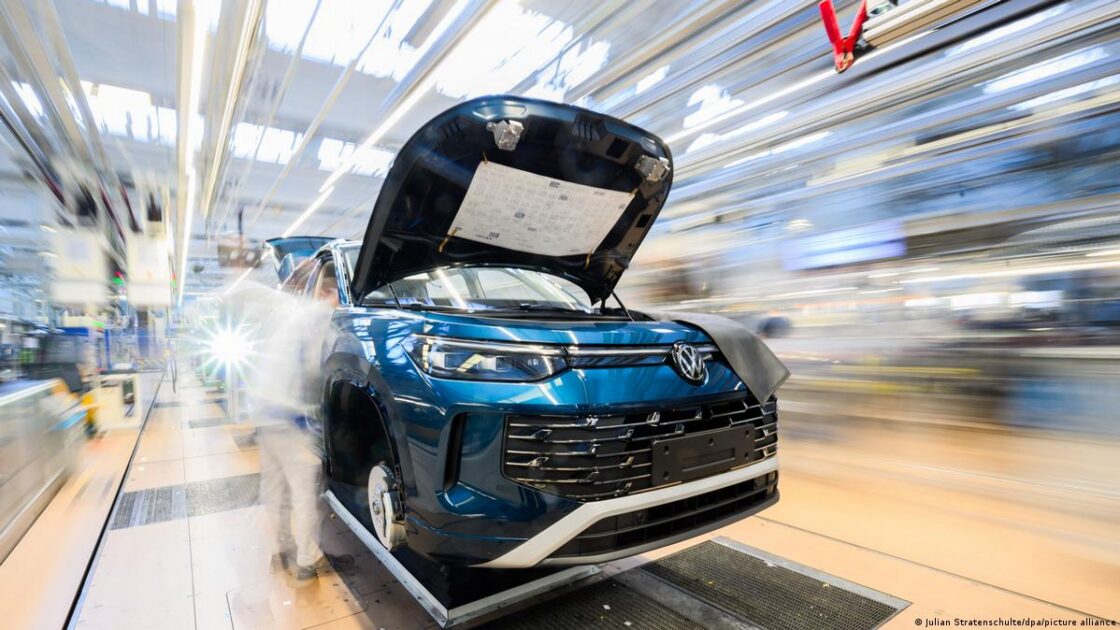
The Volkswagen Group on Thursday announced its worst quarterly financial performance in more than a decade, registering an operating loss of €5.86 billion (roughly $6.53 billion) during the July-to-September period. According to Deutsche Welle, the massive deficit was largely driven by one-off costs, specifically a substantial writedown on the company’s stake in sister brand Porsche.
Third-Quarter Financial Results
The world’s second-largest carmaker faced a steep operating loss compared to the €1.3 billion profit recorded in the same period last year, marking the company’s worst single quarterly loss since the peak of the emissions scandal in 2015. Sales revenue for the quarter declined by 6.3% year-on-year down to €75.3 billion. Meanwhile, customer deliveries, unit sales, and unit production numbers all decreased by roughly 15% as the firm initiated production cuts to align with dropping demand.
For the first nine months of the year, sales revenue reached €233.4 billion, remaining comparable to the €238.7 billion recorded previously. However, vehicle unit sales fell 11% to 5.9 million from 6.6 million, indicating the group is selling fewer vehicles at higher prices. Order intake for new cars rose 4% year-on-year, with battery electric vehicles surging by 39%. Operating profit for the nine-month period stood at just €0.1 billion compared to €5.4 billion a year prior, primarily impacted by €8.7 billion in special items, led by non-cash asset writedowns on Porsche worth €6.4 billion.
Restructuring and Downsizing Plans
Chief financial officer Arno Antlitz stated in a video report that the figures underscored the absolute necessity for rapid action, noting that the company cannot afford to lose any time. The nine-month operating return on sales reached only 3.8% before accounting for the one-off writedowns, a level he described as insufficient for the long term. As part of its broader restructuring strategy, the VW Group intends to restore an operating profit margin of 8% to 10% by 2030, while expecting a profit margin of no more than 1% for the current year following total one-off costs of about €10 billion.
CEO Oliver Blume intends to eliminate approximately 100,000 jobs across the group—which encompasses Audi and Porsche—over the coming years through a mix of layoffs and natural attrition. Up to four factories in Germany could face closure under the restructuring proposals, sparking significant opposition from labor unions and the potential for strikes starting next year. The manufacturer is currently navigating intensive competition from Chinese rivals, declining revenues in China, shifting US automotive tariffs under President Donald Trump, and the complex operational shift toward electric vehicle production.
Market Response and Future Outlook
Prior to Thursday’s announcements, VW shares were already trading at their lowest points in well over a decade following months of negative headlines and the unfolding downsizing strategy. Following the publication of the financial results, the stock dipped briefly upon market opening before beginning to recover as trading continued. By midday in Frankfurt, shares had risen by 2% compared to their opening values on the DAX index.