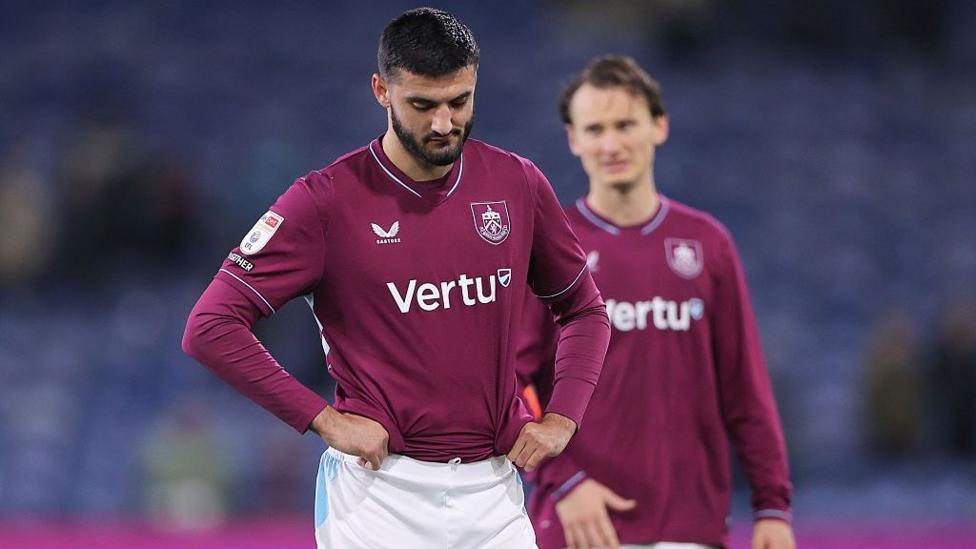
Back-to-back relegations from the Premier League to the third tier of English football were once exceptionally rare, but statistics show the double drop is becoming more frequent. With Burnley currently struggling in the Championship relegation zone, they risk becoming the third team in three years to suffer successive descents.
The History of Successive Relegations
Fifteen years ago, the prospect of a top-flight club dropping down divisions in consecutive seasons seemed nearly unthinkable. During the first 20 seasons of the Premier League, it occurred only once to Swindon Town in 1994-95 due to a division rebalancing that reduced the top tier to 20 teams. Wolverhampton Wanderers became the first true team to suffer the double drop in 2011-12. Since then, the occurrence has happened four times across 14 seasons, including recent back-to-back drops by Luton Town and Leicester City, alongside similar descents by Wigan Athletic, Portsmouth, Leeds United, and Sheffield Wednesday.
Wolves endured severe turmoil by burning through four managers and making poor transfers during their descent, while Sunderland holds the ignominy of finishing bottom of both divisions with just 13 wins from 84 matches. Leicester City’s drop to League One resulted from poor boardroom decisions and a six-point deduction for breaching profit and sustainability rules. Jobi McAnuff, an EFL pundit, told BBC Sport that these cases stemmed from the mismanagement of playing squads rather than a permanent trend, noting that some players felt an entitlement to stay in the Premier League while others were unequipped for relegation battles.
Financial Realities and the Championship
Burnley previously established itself as a yo-yo club by moving between divisions, but an ALK Capital leveraged buyout in 2020 left the Clarets carrying £142m in loans by the 2024-25 season. Recently, Burnley set a new English league record for the longest run without a home win, and their financial power remains starkly higher than lower-tier clubs, highlighted by a total revenue of £71.7m compared to Lincoln City’s £7.81m.
The Independent Football Regulator (IFR) published a State of the Game report arguing that a new financial agreement between the Premier League and the English Football League must reduce the distortive impact of parachute payments. IFR chair David Kogan stated that introducing merit payments based on final league position would vastly increase funds going into the Championship and narrow the gap between clubs receiving parachute payments and those that do not.
While parachute payments provide £48m in the first year and £39m in the second year to help clubs adjust, the IFR report revealed that clubs receiving these funds remain more than four times more likely to win promotion. McAnuff told BBC Sport that this advantage will continue to prove massively significant even if parachute payments are reduced. Burnley will look to avoid becoming the next victims of this trend as the financial landscape of English football continues to shift.